Personal Project-Social Media Asked and Answered

For my personal project, I decided to create a survey and distributed it to our class and my friends and family. I got about 30 responses and I learned a lot just from this small dataset. Here are the questions that I used in the survey:

1. What is your name and age? (if you’d like to remain anonymous, only include age)

2. What social media sites do you use?

Facebook

Instagram

Twitter

Snapchat

Other (please specify)

3. How do you access these sites?

Smart Phone

Laptop/ComputerTablet

Other (please specify)

4. Which behaviors do you engage in while using these sites?

Scrolling

Posting

Post Responses (Liking, Commenting, etc.)

Messaging/Communications

Other (please specify)

5. How many followers/friends do you have? How many are you following?

Facebook:

Instagram:

Twitter:

Snapchat:

Other:

6. What percentage of your followers/friends do you know personally? (estimated)

less than 25%

25%

50%

75%

100%

If you feel your percentage is different for different sites, please specify which sites are at which percentages.

7. Estimated average number of likes on last 10 posts(if you have less than 10, use average of all):

Facebook:

Instagram:

Twitter:

Snapchat:

Other

8. How do you feel about your social media usage? How much time do you think you spend on social media a day? (IF YOU HAVE SCREEN TIME DO NOT LOOK AT IT TO ANSWER THIS QUESTION)

9. If you have screen time on your phone and want to share, list the amount of time you spend on your social media accounts per day:

I don’t have screen time on my phone
My Screen Time Data:

10. Any other comments on your feelings about social media or your usage?

Takeaways

First of all, I have a quick summary here of the data that I received and some charts of the data that can be quantified. You can click on the link to view the PowerPoint:
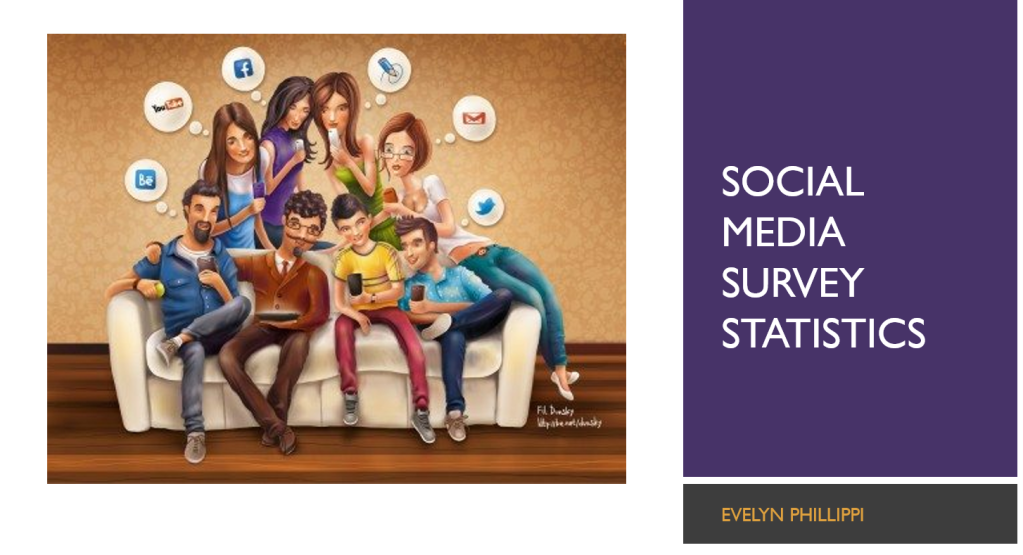
There are a lot of things about the open responses that caught my eye. For those that did them, I noticed a difference in the word choices between age groups. Those in their 20’s seemed to use emotions more often to describe their experiences with social media. I got words like “love”, “insecure”, “depressed”, and words that described how hooked we are such as “addictive”, and “too much”. I also found that we had a significantly higher screen time with most being at 5-6 hours. What I also found interesting is that while almost everyone in the age group had close to the same number of hours, about half described it as too much or excessive while the other half described it as average or reasonable.

Question Mark Response - Free image on Pixabay

For the older age group in their 30’s and 40’s, there seemed to be a bit more wisdom and significant shrink in screen time. This group only spent 1-2 hours, had, on average, a smaller number of accounts, and knew more people in their social media circle. In their descriptions they mentioned they “hardly used”, that their usage was “ok”, and that they “wished it was used wisely”.

From my analysis, I can see the attention span of the age groups through the survey as well. In the oldest age group, everyone answered all of the questions. In my age group, there were a lot of skipped questions and there were a few people whos data was barely helpful because they didn’t answer with the correct information or they pretty much made a meme of the survey. As for the pre-teens, their attention span was so low I couldn’t even get them to take or stay engaged long enough to finish the survey.

I really enjoyed getting everyone’s feedback and reading through their responses. I feel like I learned more than I can even put on here. When I first started the project my plan was to only collect surveys from my family, as we are all far enough apart in age to fit the age groups. I’m glad I expanded the survey because I think I learned more from getting responses from a broader group of people (or the lack of responses).

What’s funny about this project is that I started to get addicted to receiving and reading responses in the same way that I am addicted to scrolling through social media… oh, technology…

Social Media’s Disease

This week was a reality check.

Check Yourself Before You Wreck Yourself - Ice Cube GIF - CheckYoSelf  IceCube - Discover & Share GIFs
Netflix's The Social Dilemma highlights the problem with social media, but  what's the solution?

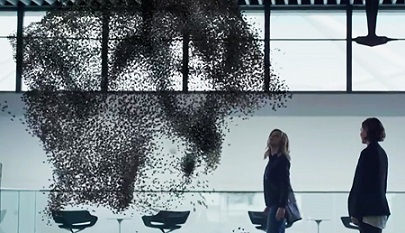
I knew as soon as the opening scenes that The Social Dilemma was going to be a good watch. It featured a lot of information that I low-key already knew, but that sounded a lot worse being blatantly stated by people who knew what they were talking about and who, in some aspect created the very sites that we depend on. What was really powerful to me was how the visual representation of Ben starts as an unrecognizable human form and becomes a complete Replika (see what I did there) of him. This shows how powerful the AI in social media and technology really is. It plays off of the way our minds work in ways that we can’t even fully understand or see until we take a step back and look from another angle. Even then, we can’t see enough to stop the addiction. One of the things that was said in the film that stood out to me was from one of the people in the tech industry. With him being of an older generation, I didn’t expect it from him, but he said that we have to decide whether we’re going to check our phones before or during our trip to the bathroom in the morning because there’s really no other option. The reason that’s so stunning to me is the fact that he said there’s no other choice. There is another choice. Yet the convenience of your smart phone makes the other choices seem irrational. How can you not check your phone in the morning when it’s literally your alarm clock. You have to get on it to shut it off. And we’re so addicted to our phones that I highly doubt many of us can resist the urge to check the list of notifications on our screens that we see after we hit snooze. Instantly, from the very moment we open our eyes in the morning, we’re hooked.

Mythbusting the "Silicon Valley" TV Show

I thought the episode of Silicon Valley was interesting too. It emphasized two things for me; one, the makers of these technologies, for the most part, aren’t fully thinking about the effect that their product is going to have when it’s released to millions of people. Of course when you’re the creator, you want to think about how your product helps people connect and helps solve the world’s problems, not how it shatters our self esteem and helps to spread dangerous messages, such as terrorist ideals. Second, that the people who are creating these technologies don’t even really understand it enough to be prone to the addictions of both using it and creating it. If they don’t know, how do we stand a chance?

At the end of this week, I wanted to delete social media. I’m not a poster, and, therefore, don’t use social media as a form of expression on a regular basis. I’m an endless scroller. I’ve had times in my life where I’ve had every social media and have been careless about my life and I’ve had times in my life where I minimized my accounts and had time set aside during the day when my phone gets shut off. It’s doable people. I know it and you know it. I’m going to start minimizing my usage again and making sure that I’m not sacrificing the simple things in life; my family dinners, holidays, productive time, self esteem and new life experiences don’t need to be ruined because of technologies addicting capabilities.

So Long Social Media? – PSU Chronicles

Did this week make you want to change your social media/technology habits? If so, do you see it happening long term?

The Weekly News

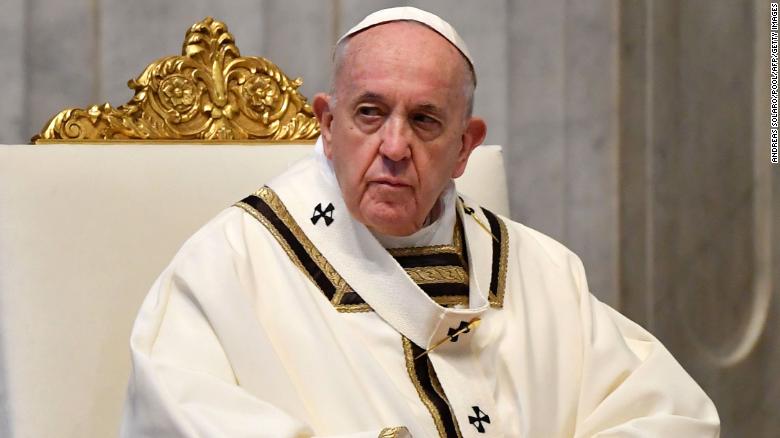
https://www.cnn.com/2020/11/20/europe/pope-francis-instagram-like-intl-scli/index.html

Vatican asks Instagram to get to the bottom of Pope account’s lingerie model ‘like’

Disclaimer: I didn’t look up anything about social media or our class to find this news… this is just simply our news today.

The pontiff's official Instagram account 'liked' the photo, though there is no evidence the endorsement came from Francis himself.

You can no longer reply to this conversation…

White Christmas: A Rhetorical Analysis of the Black Mirror season finale |  by Ashlee Bowling | Medium

I definitely want to start this weeks post with the Black Mirror episode White Christmas. This is one of my favorite episodes because nothing turns out how you’d expect it to. It’s so technologically advanced, yet the situations feel so today. It makes it easy to see a future in which these situations occur, as they already do in our own versions of technology.

social media blocking – Unleashing My Inner Chingona

This episode brings up the issue of blocking someone; this is something we all have experience with. Whether it’s actually hitting that block button or ghosting someone it has become the easier way to fixing, or rather ignoring, your social problems. In the episode, 2 different relationships are more difficult by using the block feature that can be done in real life through eye implants. The obsession that Joe has with Bethany and what he thinks is his child is the issue with resolving problems in this way. Joe spends YEARS of his life trying to connect with his child in the only way that he can, only to find out eventually that it was never his child. If Bethany would have been straightforward, she could have saved Joe and her father several issues. I think this is a valuable lesson for our generation as we do the same thing to people with our new culture of “ghosting”. Problems like these, especially when you’re in a relationship with someone, need to be faced honestly and head on. If there are other issues at rise such as domestic violence or you have already addressed the issue and the other person still responds obsessively, blocking can be a useful and almost necessary tool. However, the way that we are handling basic issues definitely shows the social barriers that our generation is putting up.

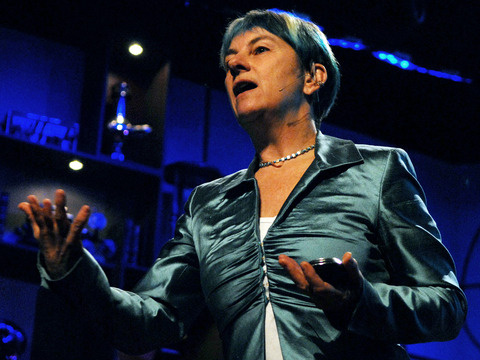
Susan Blackmore: Memes and "temes" | TED Talk

This week, we also watched a Ted Talk that gives us a little bit of insight on both the outcomes of technological advancement and its relation to evolution. This definitely relates to the ideas behind our beloved Black Mirror episodes. Susan Blackmore states that there are only 2 outcomes to these advancements: we become one with technology or it eventually surpasses us evolutionarily speaking. I think Black Mirror definitely gives us a look into the first option. Many of the episodes, including the one we watched this week feature humans with technological implants and other extreme advancements built into our homes and daily lives. However, in almost all of the episodes, the ending is one of a dark nature. This indicates that although we may try to become one with these advancements, there’s a good chance that we will fail as we are not as black and white as technology has the ability to be.

How emojis enrich nonverbal communication | Ivy Investments

Blackmore also talks about how language is part of our evolution and our spread of “memes”. She explains the word “meme” as an imitation, which broadens the definition a I would have thought about it before watching it. Her bit about language definitely connects with the article this week titled “Emojis Don’t Mean What They Used To“. As Blackmore would explain it, emojis are becoming a meme of our everyday already complex language. If we think about it, they seem to be going backwards a step to simplify language; older civilizations are of course known for using pictographs, cave drawings, hieroglyphics, etc. This is similar to the emoji language that is taking storm and sometimes replacing language through text messaging altogether. As stated in Ian Bogost’s article, emojis are becoming more specific rather than a form of abstraction. I think that this will be an interesting concept to try to explain as it becomes its own form of language that people who speak any language can understand.

As daunting as it may seem, here’s my question for you all: Which form of Blackmore’s future prediction do you think is most likely? Do you think there are any other options?

The Weekly News

https://weather.com/news/news/2020-11-12-tropical-storm-eta-impacts-florida-flooding

Image

This weeks news informs us about the tropical storm and the flooding that occurred as a result. I think this is a good news story to inform you guys about as the pandemic and the election still take over 90% of news posts.

Privacy and the Lack Thereof

I think that one of the biggest problems for our generation is the lack of privacy that we are all so accustomed to. Since we have lived with this dilemma for our whole lives, it doesn’t necessarily seem like a big deal that we’re constantly in everyone’s business. However, this does become a problem when the news has this same mentality; this was one of the major things that we learned this week.

The Newsroom' Recap: Save Neal Sampat! – iWatchiAm — My Life In  Entertainment

This week we watched “Boston”, an episode of The Newsroom, which really helped put the dangers of social media into perspective, especially because this was a real event. In the episode, we see how the spread of information can be both helpful and harmful. Of course the spread of the information would have been extremely helpful if they were the correct suspects. However, the spread of false accusations was extremely harmful to the people who were affected as a result.

We act like this is a crazy occurrence, but I see this happen everyday. Everyone places so much importance on being the first to report something that we lose the importance of accuracy. Whether it’s top news or info about a celebrity’s actions, we are constantly getting false or partially false information. Not only do we spread misinformation but propaganda or the spread of terrorist or hate groups can be fueled by social media. This is only natural and probably for the most part unavoidable. As we can see from the article “Social Media Networks Are the Handmaiden to Dangerous Propaganda”, social media can help pass information and propaganda for groups who mean to do harm to others. I think that the best way to prevent this type of issue is education. People need to know when they’re seeing something threatening and know when to report it, as the halt of these types of pages and posts is critical in it’s early stages. We have already seen how fast this media can spread.

What You Need to Know about Revenge Porn and How Texas Legal Can Help —  Texas Legal

Another concept we talked about this week was revenge porn. Although it may not have be necessarily for revenge, I can bet that almost half of girls have dealt with something of this sort at least once in their lives. That’s why this is such a striking issue; it happens all of the time, and yet, the law still hasn’t figured out who to blame. We see this in the story about Katie Hill; although she fell victim to revenge porn, she ended up losing her career because of it. This is the same concept that Amy Adele Hasinoff, author of sexting panic, is fighting for. Although she focuses on sexting in the book, she is getting at the same theme. Privacy is important, and just as people can become immersed in legal trouble for defamation, they should be given the same punishment for ruining someone’s life over sexual content. Because these cases are so hard to get justice for, too many of them go unpunished or unnoticed entirely.

Here’s my question for the week: How do you think laws should be changed to fight issues like revenge porn and hate group propaganda?

The Weekly News

Wrong turn leads to postal carrier’s arrest; mail found in car included absentees

https://buffalonews.com/news/local/crime-and-courts/wrong-turn-leads-to-postal-carriers-arrest-mail-found-in-car-included-absentees/article_3834d150-1f6f-11eb-94be-97bbd829af9d.html

Mailbox

This story is about voter fraud, which does indeed happen, but probably not at the rate that Trump would like us to think it does.

Media

Notice, I lost the “Social” that usually goes before media. After watching and reading everything this week, I feel a little confused. I’ve seen in past weeks how social media can possibly bring people together or make people feel like they aren’t alone. This week we dove into the other side. Of course social media brings people together right? We’re all on the same network; we can post, comment, like, message, etc. Where do you draw the line between reality and the internet? I think this is something that, according to the story we saw in The Social Network, even the founders of these very sites have or continue to struggle with.

The Social Network — Sorkin, Structure, and Collaboration - YouTube

Although it may not be completely historically accurate, I think that the social network encompasses everything we need to understand the meaning behind these new technologies. We see Zuckerberg and lose himself in the world of success. Surprisingly, it’s not for money, so what is it that Zuckerberg and everyone else who joined in are looking for? I think that the answer is an image. We see Mark and other characters struggle with this throughout the movie with the hot or not game, Mark accepting a deal to fix his image, talk of groupies, adding the relationship status, the appeal of Sean Parker… to be honest Facebook itself seems to be built on and used for and boosting your image among your peers.

We also see this concept when we look at the Essena O’Neil story. I thought that this was very interesting because she really gave up everything because of the way the pressure to uphold her image made her feel. She actually answers some unanswered questions in a video with another influencer, so I’ll leave it here in case you’re interested in watching some of it.

Essena has to constantly brand herself as a product and I think that this is what messed with both her self image and her ability to continue using the media. I can relate to her on a smaller level because about a year ago I quit using social media. I have recently gotten it back for my personal project, so I’m starting to evaluate the reasons why I felt I had to do it. The constant comparison to others that social media offers wasn’t good for me at the young age that I started using, and this was something that Essena brings up as well.

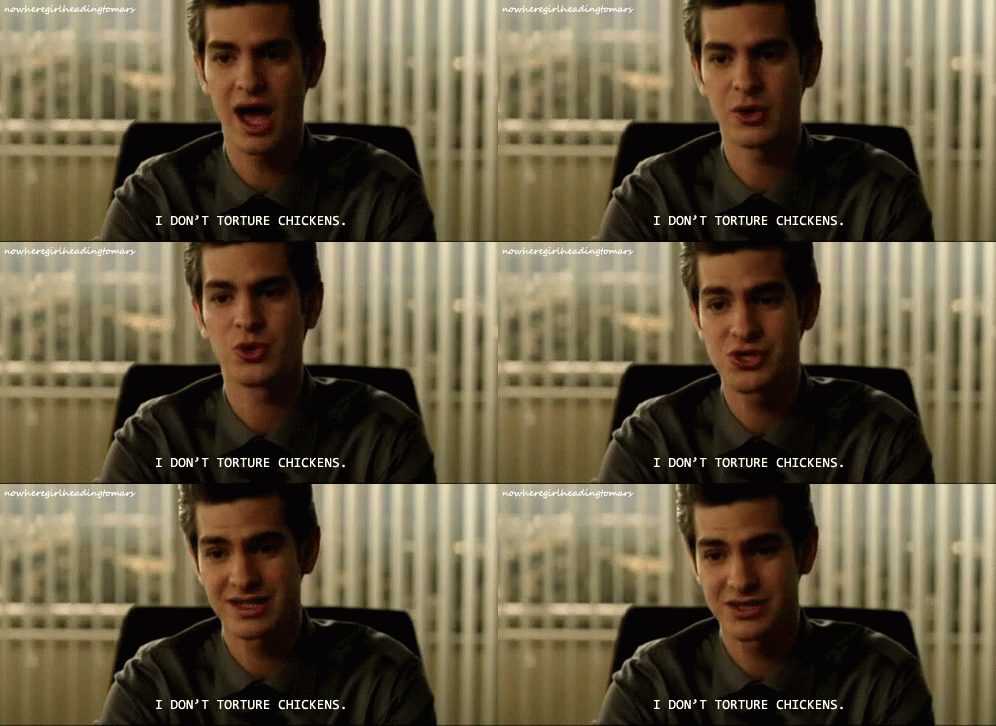
I Don't Torture Chickens - The Social Network GIF - Torture Chickens  TheSocialNetwork - Discover & Share GIFs

This branding also can have its positives, however. It can be a person’s gateway to their career just as it was for Zuckerberg. A big part of this idea came in when Eduardo runs into this problem with animal cruelty. It ends up in the school newspaper and, even though the situation wasn’t as it seemed it came back to haunt him during his legal battle with Zuckerberg. Zuckerberg even says something before they have issues about the story not looking like a good look for the company, especially with his name on the site as a co-founder.

I think the big lesson this week is to worry about the image you see of yourself before worrying about the image other people have of you. We also see the importance of branding and marketing when there is room for it. Here’s my question to you: In today’s social media noise full of influencers/bloggers/advertisers, what makes someone stand out? There are thousands of people to follow and sites to join, so what makes you gravitate towards one page, account, person, or site over another?

The Weekly News

GETTY IMAGE of hand holding smartphone

How Social Media is Preparing for US Election Chaos

https://www.bbc.com/news/technology-54738873

This story is a behind the scenes on how social media has to prepare for this controversial election. I chose it because not only does it go with our class, but I think it’s important to understand that civil unrest won’t just be in the streets.

Extra! Tweet all about it!

This main point of this week- our news is in trouble.

A long going theme that I think we could include in every weeks discussion is the fact that when things change or a new way of doing things emerges, the major facets of our society have a hard time and are slow to adjust. Our news media is definitely one of those moving parts of our world that I think is still trying to navigate how to keep up with the technology that we now use to function.

Politics and the News

Social media and Politics: How Interrelated they Are?

One of the major ideas that we were focused on this week included the fact that social media has been having a huge effect on our politics. This is really no news to anyone, as it has been the forefront of our attention for a few years now. One of the many issues has to do with bots and other interferences. As the “Political Bots” video can attest, bots are providing us with fake information or persuasive data without some of our knowledge. They are well disguised as people, and because of the internet’s dilemma of not being able to see who is truly on the other side of a post, they can be as convincing in giving information. Anyone who wants to convey their message broadly while looking like a regular person expressing themselves can pay for these bots that effectively spread their ideas. As bots and AI advance, this technology becomes more and more human like and less identifiable. This is dangerous in the political world and the news world in general.

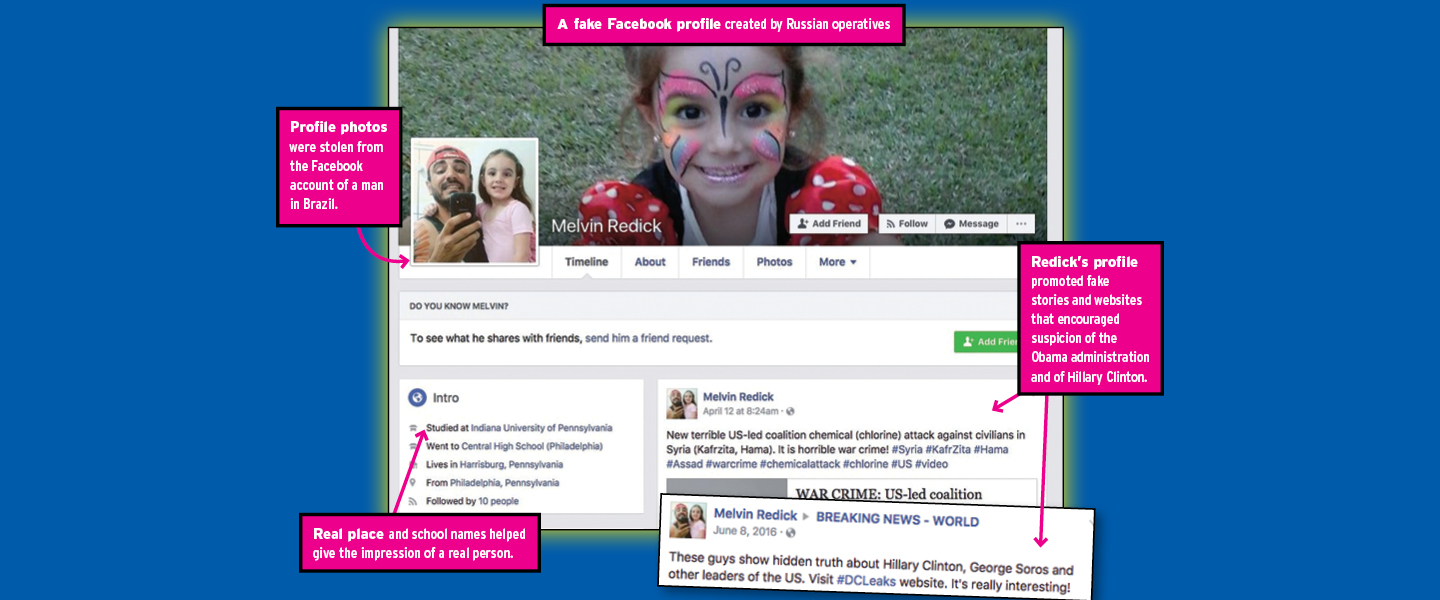
Of course, we also have Russia. And they are not the only ones attempting to interfere wit the news through social media. I’ll spare you with the details, as I’m sure we all have been hearing about this for quite some time; however, it’s not something that we want to ignore, as it can be deceiving, and if we forget about it, we will forget that fake accounts can be as real looking as this:

Is Your Facebook Friend a Russian Hacker?

Newspapers ===> Clickbait

Exploring the Marketing Science Behind Clickbait & Content Marketing | Look  to the Right

At the end of the day, I think the biggest problem that we have in the news is that it has begun to gear towards what is going to generate the most views. I can’t say that this is a new concept; of course every newspaper wants the headline that’s going to get their viewers to buy the most papers. What I don’t think can be denied is that this has become more important with the introduction of social media, news apps, and touch notifications. Because we always have news and information in our faces, the news and other sources are trying even harder to generate that clickbait; they want to be the notification or the feed that you decide to click on. Even the use of data analytics, as expressed in the article The Traffic Factories, is often misused with news organizations. They begin to focus on the data that expresses the amount of traffic that their news sees rather than looking as well into the emotional side or the importance of what they’re reporting. This definitely seems to be one of the reasons that William Arkin quit NBC. As a longtime reporter with a focus on national security, how could he possibly feel fulfilled with reports of only Donald Trump’s acts every half hour? The fact that someone of his experience leaves his company due to this very problem really gives some perspective on these issues that we are and will continue to discuss as we see them, unfortunately, get worse before they get better.

Speaking of the News….

Here’s a link for you.

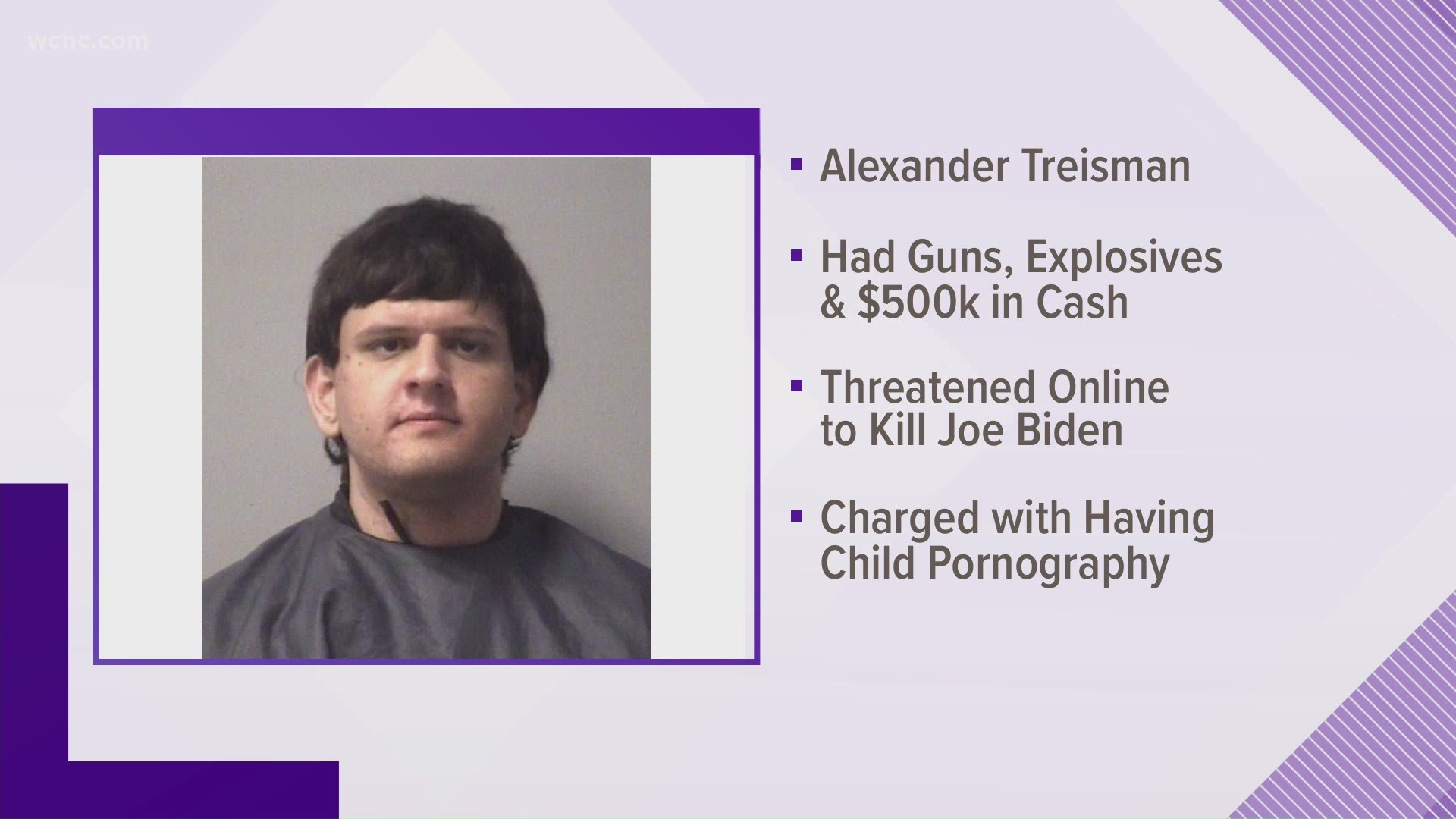
https://www.nbcnews.com/news/us-news/man-van-full-guns-had-checklist-execute-joe-biden-authorities-n1244394

Alexander S. Theiss researched executing Joe Biden | kvue.com

“Teen with van full of guns had checklist to ‘execute’ Joe Biden, authorities say” reads the headline. If you need a story that exemplifies every source of controversy, including but not limited to, gun laws, politics, and child pornography, this is one that you need to see.

The Risk of Paving the Way

This week, I was reacquainted with the story of Napster and the issue of copyrights. This is one of the many issues that I have seen blow over and blow back up on social media several times throughout my life. I remember even on Facebook and Instagram, sharing songs in a video wasn’t a big deal. All of a sudden, people’s videos started getting blocked, and people began to add extra comments to their post giving people credit for their work.

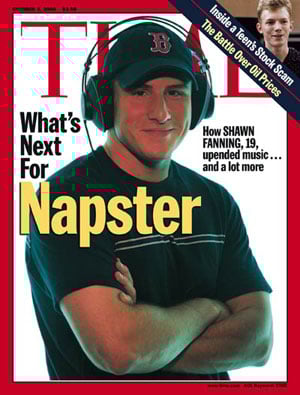
This is Napster

Napster - History of Shawn Fanning's Napster

Napster is basically a search engine for music. It was initially released in 1999 and was built on copyright infringement. I think that this was one of the great examples of technology advancement and law disagreement. Although the release of Napster was extremely controversial, I think that it led the way for the revolution of streaming and the advancement of the music industry.

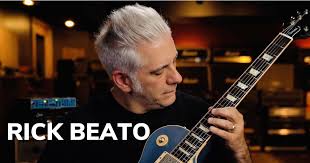
I think that after watching the Napster documentary and Rick Beato’s YouTube videos we can see both sides of the role that technological advancements have on the music industry and copyrights in general. I definitely agree that people should be given credit and be paid for their work. However, when new technology is prevalent and is clearly an interest to people, those in business have to choose whether they are going to fight it or embrace it and possibly capitalize off of it. We see this in much more than the music industry, but I’ll get back to that.

Rick Beato - Home | Facebook

Rick Beato really nails it on the head with his videos concerning copyrights and “blockers” in today’s online society. He explains that these people are passing up the opportunity for what I would call free advertising. In his newest video, he tells us about how a Fleetwood Mac song has returned to the charts because of several viral Tik Tok videos. This displays the power of technology and the possibilities that can be offered to those who have the ability to change with the times. The same goes for Steve Jobs who introduced iTunes in order to solve the problem. In the Napster documentary, we also see how the music industry was hit hard due to both the introduction of technology and their inability to accept it.

Fair Use

Fair Use Under Copyright Law | Attorneys

We also have the Fair Use Doctrine to assess. This doctrine allows people to use copyrighted information or media for certain purposes, one being education. This fits into the conversation because it shows how laws have attempted to give some sort of leeway for those attempting to use copyrighted media. As we saw in the incident of the “What in the Butt” song, this has allowed people to use others ideas if they are attempting parody.

The big idea that I really got from all of this was the fact that laws and people have a hard time adjusting to new technologies. Not only do we see this with Napster and the music industry as a whole but we have seen this in previous weeks as well. Think about what we learned from Sexting Panic. This was another was in which laws failed to keep up with technology and have ended up punishing innocent people who were only doing the next big thing. In light of all this, I leave you with a question. How can we allow for societal and technological growth without severely punishing those who are only following suit?

The Weekly News

News Brief: Trump And Biden’s Competing Town Halls, COVID-19 Vaccine

https://www.npr.org/2020/10/16/924396569/news-brief-trump-and-bidens-competing-town-halls-covid-19-vaccine

Competing town halls give U.S. voters a chance to judge Trump and Biden in  isolation | CBC News

Here is a briefing on Trump and Biden who have taken over the news as people watch for a follow up from the last debate.

What Do We Want!? When Do We Want It?!

This week, we talked about how social media can be both extremely effective in spreading awareness in social movements as well as how it can leave us without some of the well seasoned tactics of in-person or protest-like activism. While watching Zeynep Tufekci’s Ted Talk about online activism was both enlightening and thought provoking. I agreed with a lot of what she had to say and I also feel like there’s more to be said.

Tufekci details the way that Twitter can bring light to events that are censored and the way that it excludes actual interactions and friendships that can come from meeting those who share views in person. This made me think about how truly effective and ineffective that social media can really be. So many hashtags and posts have rose awareness for different events and social movements. Just the simple use of a hashtag can raise certain news over another over a matter of hours, minutes, or even seconds. However, I also see that things get pushed aside or that we have become numb to different situations and movements because we have all this noise constantly being thrown into our faces (or more precisely, our phone screens). We are desensitized to a lot of the injustices of the world because a lot of us are more comfortable behind our barriers. Activism has by no means become weaker; we have been able to spread ideas that were much more easily weakened by the media. However, I feel like we don’t get that same level of consensus that is seen through protests, speeches, and gatherings.

You can see this idea when we look at the events going on currently. We see the Black Lives Matter movement being the biggest movement in the media at this time. However, other issues such as the issue we saw in Sexting Panic, a book about the criminalization of youth expression and sexuality, are being quieted due to their lack of social media presence and lack of activist risings. At the same time, there’s not always room in the world for everyone’s opinion and movement to be heard. I think this is where social media fails and where active protests become the difference.

At the end of all of this, we are left with a simple yet unanswerable question. What is the best way to get a movement to stick in the media and in people’s heads? Right now, I think there’s no good answer. We are so overloaded with information about pandemics, politics, unemployment rates, wealth gaps, racial equality, wild fires, hurricanes, taxes, technology, social media, online learning, the economy, possible recessions, a vaccine, Trump, Biden…

Should I keep going? I could probably think of more.

Here’s my question for you all:

How do we cut through the noise and get to information that will help us further our society?

The Weekly News

13 people were charged in plan to abduct Gretchen Whitmer in an attempt to overthrow Michigan government. What else could go wrong?

Snowden and the Leaky Files

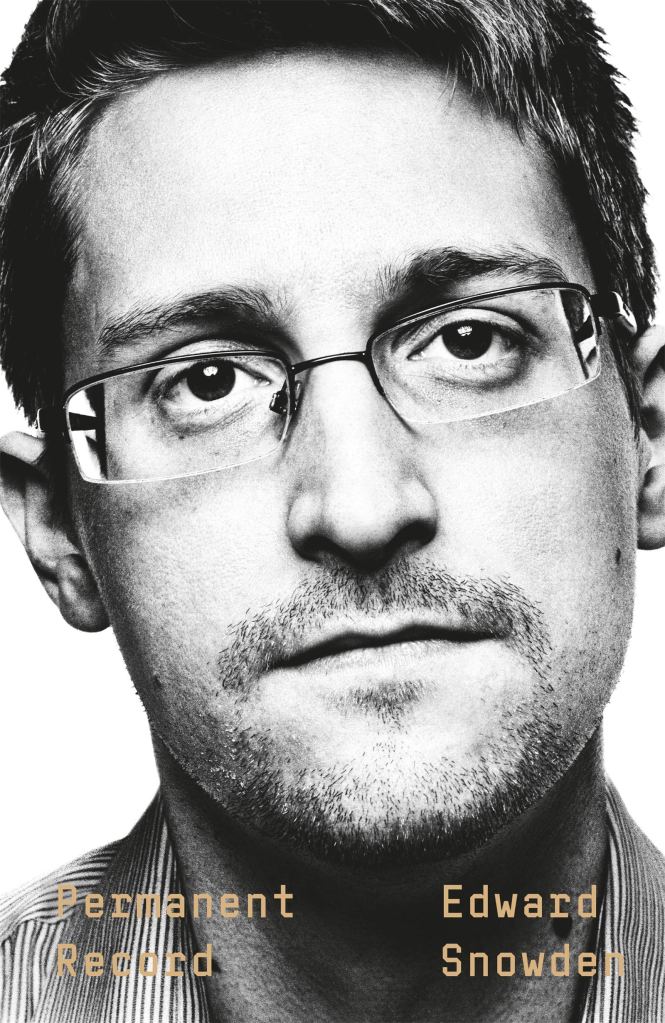
This week we were presented with the story of this guy:

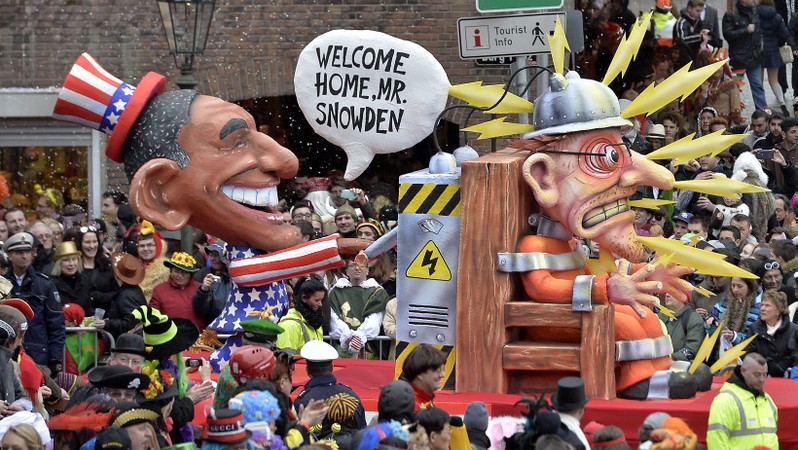
Edward Snowden is one of the biggest leak stories of my time. I never really took the time to learn the story, but after watching the movie and learning more about him, I see his name come up EVERYWHERE. Right after I watched the movie, I began working on my Coursera class titled “Forensic Accounting and Fraud Examination”. One of our discussions asked a question that fits well with the discussions we’ve been having in class:

Does how you get information matter? Is Snowden an accidental fraudster, predator, traitor or good citizen (whistle-blower)?

This is the issue with leaking information. I believe that what Snowden is is all dependent on who you are. Let’s look at him from a few different points of view…

The Predator/Traitor

On one end you can use the way that Snowden got his information against him. If this was any other information that was unnecessarily leaked, there would be an obvious outrage by the public and the government and a call for immediate punishment. Anyone can take this information and validly state that Snowden was a predator or a traitor to his country. He used his government position to give information to the general public that was technically classified. When only looking at that fact, hatred towards Snowden is understandable.

The Good Citizen/Whistle-Blower

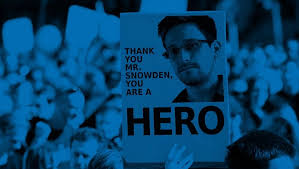
When it comes to the information that Snowden leaked, you can see a different side to the argument. Snowden leaked information that showed the American people that the government had the capability to spy on them through their technology. Not only did they just have the ability, they were actually doing it. Because of the invasion of privacy and a look into our rights as American citizens, many people believe that this information had the right to be leaked. Some see Snowden as a hero and I think that this side is also justified; leaks are an invasion of privacy or confidential information. But if the leak is outing an entity for basically invading our privacy, then what are we to do about it?

I think that this is the problem that we have when it comes to leaking information. In the book that I’m reading for this class, Sexting Panic, we see the same type of issue at hand here. Teens are shamed and can get themselves in legal trouble for sending a consensual nude photograph. However, if someone leaks the picture and invades their privacy, the leaker has a slim chance of getting into any trouble. We apply his thinking to someone’s potential rights, so why don’t we use this same judgement on someone like Snowden. If the the person with the information being leaked was doing something that was illegal or against the rights of someone else, why should the leaker get into trouble? I think we have a lot of work to do when it comes to laying some ground rules for the leaking society that we live in today. Who should bear the legal trouble when something gets leaked? Is it our right to leak depending on the information? Who decides which instances are illegal? These are all questions that I don’t even think can be answered right now, however, I would like to see what you guys have to say anyway. Also, what do you think about Snowden? Accidental fraudster, traitor, or good citizen?

Weekly News

https://www.bbc.com/news/world-us-canada-54365718

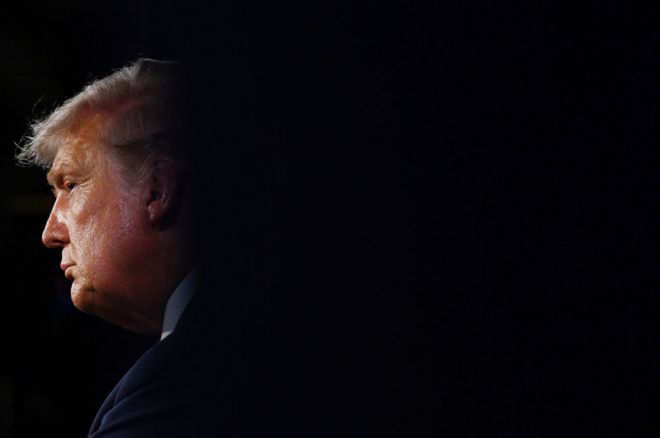
Trump at debate in Cleveland

This week we definitely have to look at the presidential debate. This article is subtitled “The Night American Democracy Hit Rock Bottom”. Many people are saying the same.

#Cancelled

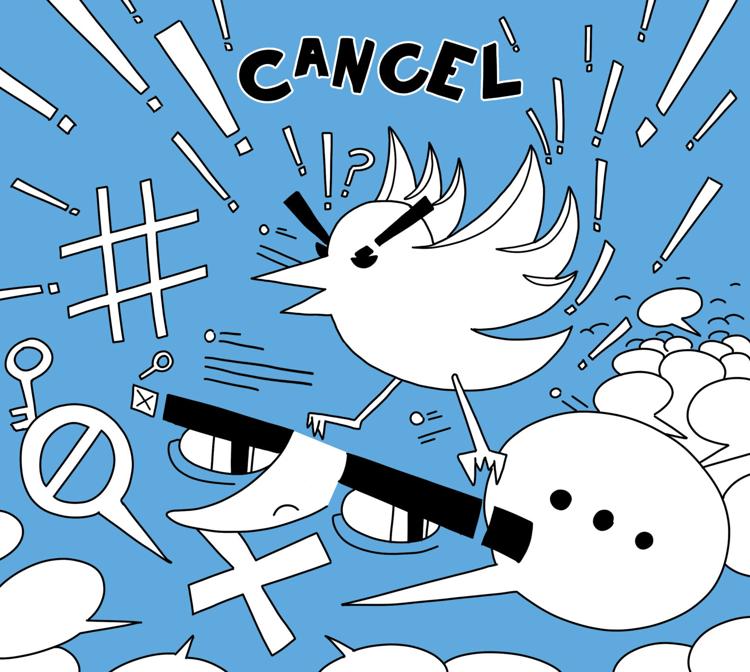
This week we took a look into cancel culture and its effects on the people that we cancel. We all are subject to and aware of these tendencies; when someone makes a mistake or speaks about something controversial online, we essentially “cancel” them. When putting it into writing it sounds asinine. However, these are the concepts that are finding themselves on the front pages of our culture’s news.

As usual, the Black Mirror episode, “Hated in the Nation”, was less far-fetched than we’d like to think. In the episode, we are given a scenario where cancel culture is life or death. Don’t like what someone posts? Tag them with the hashtag #DeathTo and you’ll have the chance to see them perish! It sounds so cynical, but this is what people do on a daily basis. We bully each other until the point of no return. Whether we’d like to admit it or not, social acceptance is what keeps us going, Regardless of whether the bills are paid, we have that cool gadget, or we’ve launched our career, social acceptance is what keeps us sane. That’s why this is such a big deal; we are pushing each other to our limits.

Don’t go any further. This is sensitive content!

Because of this sensitivity, many of us are censoring the things that we put online. Even I can admit that I’ll go to post something and maybe change the caption or change the wording because I’m afraid to offend someone or have people publicly shame me. This is exactly what the article “The Spiral of Silence” is trying to get at. Because we are afraid our friends are not rooting for us, we are less likely to post our true opinions. Although I am guilty of the same habits, this is counter-productive when it comes to having stimulating conversation. You don’t learn when there aren’t different points of view in your face. That’s a big thing that our culture is scared of.

We are reminded of this idea of censorship in Harper’s Magazine. The article writes, “While we have come to expect this on the radical right, censoriousness is also spreading more widely in our culture: an intolerance of opposing views, a vogue for public shaming and ostracism, and the tendency to dissolve complex policy issues in a blinding moral certainty.” We are constantly told about the value of diversity and empathy. However, when we are actually presented with an opposing view or someone from a different background, we are extremely quick to become defensive or to “cancel” them. I can almost guarantee that we will see no change if we are not able to open ourselves to criticism and find the strength to work through everyone’s ideas to find the best solution before we jump to conclusions and immediately name the opposing side our enemy.

What’s funny about our culture is that we look for acceptance and a way to bash people all in one. We look for love, friendship, and positivity in the same place we look for a way to release our frustrations, judge our peers, and make fun of others voice. I have spent my life looking at technology as the enemy and trying to figure out an alternative way to express myself. I don’t spend time on social media anymore because I felt like it was making me more self conscious and less self aware. After going through the lessons this week I begin to wonder: Is technology the problem? Or is it our own tendencies that make technology so harmful?

Weekly News

https://www.cnn.com/2020/09/25/politics/donald-trump-amy-coney-barrett-supreme-court/index.html

Sources: Trump intends to nominate Amy Coney Barrett for Supreme Court

I chose this article in light of the recent death of Ruth Bader Ginsburg, a Supreme Court Justice with forward thinking and intentions of change.

Ruth Bader Ginsburg - Wikipedia