
This week brings forward the new concept of the modern world. The topic ““NetSpeak, Memes, Emoji’s & Participatory Culture”. The given material was quite interesting and also filled with the true facts.
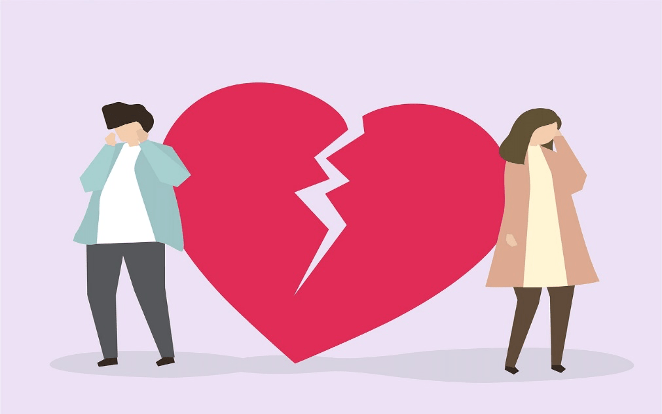
Starting from the article “Breaking up isn’t hard as it used to be on (Facebook)”, the author put light on an important issue that how Facebook makes it difficult to breakup even if you did so. No one knows why a relation gets to an end and how hard it is to move on from that painful phase. Then a year later, one day you login your Facebook and the very first thing you get to see is the picture of yours with your ex-partner. How? Because it is one of the feature of the Facebook to show the memories year after on the exact same date. And how hard it will become for you to pass that.
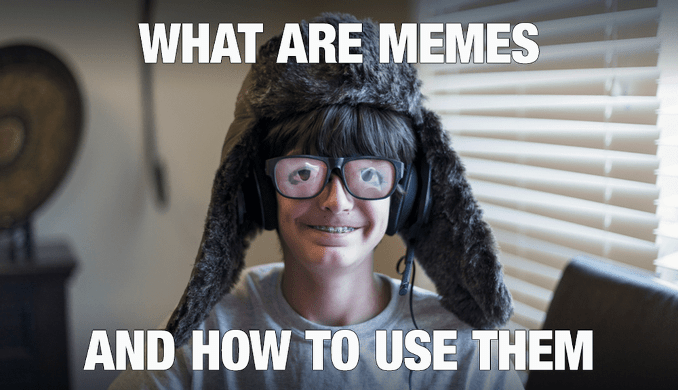
The next article “If It Doesn’t Spread, its Dead”, the author has made discussion about the fact that in this modern world how memes have become so important and as part of the entertainment life. The author said that “Talking about memes and viral media places an emphasis on the replication of the original idea, which fails to consider the everyday reality of communication — that ideas get transformed, repurposed, or distorted as they pass from hand to hand, a process which has been accelerated as we move into network culture.”
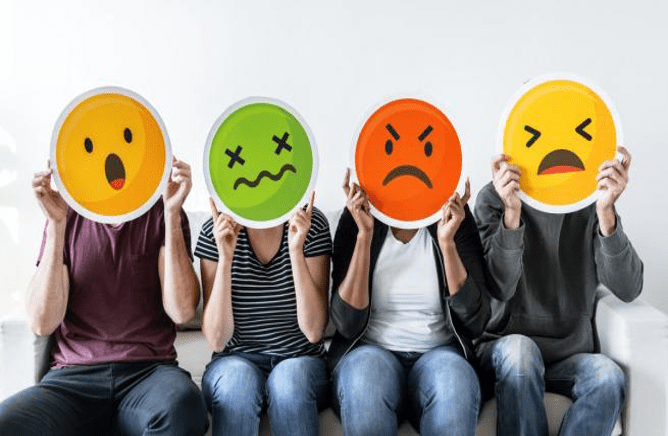
In another article, “Emoji Don’t Mean What They Use to do” has given us the fact to understand that how we have changed our way of interaction with other people. There are thousands of known emoji in our cell phones and now we are so dependent upon the emoji to express our feelings. The author said: “The awkwardness of the interfaces used to access emoji amplify that change. Overwhelmed by choice, we’ve become more tempted to type in a word and have the device offer matches, as some emoji interfaces allow. That’s also how some text-entry systems for no alphabetic languages work.”
The episode of The Black Mirror: “White Christmas” Three interconnected tales of technology run amok during the Christmas season are told by two men at a remote outpost in a frozen wilderness. Joe Potter wakes up on the Christmas Day and finds his talkative co-worker Matt Trent preparing the Christmas dinner. Matt asks what happened to Beth’s daughter, and although Joe initially claims he does not know, he remembers a police officer telling him she found her grandfather dead in the kitchen and went outside into the heavy snow to get help, but froze to death under a tree in the garden. Joe breaks down, admitting he was responsible for the deaths of two innocent people. Matt seems relieved that he has succeeded in getting a “confession” out of Joe, who cannot remember coming to the outpost or what he and Matt do there. Joe suddenly sees the outpost’s interior turning into a replica of Gordon’s kitchen, and Matt disappears. “Joe” is actually a digital copy similar to Greta’s, as the real Joe refused to confess to his role in the deaths, so the police brought in Matt to draw a confession from his copy. The outpost was a five-year-long simulated environment within a Cookie that lasted only 70 minutes in real time.

Keeping in mind the above discussion, I feel like we are so much involved with the digital world right now that even our love lives are also part of it. We are so dependent upon the emoji and on the memes for our entertainment.
For this week’s news post I have selected this article in order to let you understand how vast the Facebook world is now even in the relationship aspect. https://about.fb.com/news/2020/10/facebook-dating-expands-to-europe/
 SOCIAL MEDIA & SOCIETY
Hello, I found your feedback and interpretation of the White Christmas episode to closely resemble mine. The thoughts and creation of the digital clones were both frightening and fascinating. As rapidly as technology is developing, it’s not completely crazy to think we may see similar technological breakthroughs in the next few years. Emojis are a great example of how individuals can express emotions over platforms without typing or texting. Emoji’s meanings vary and are constantly adding and readjusting current emojis. I also found your pictures throughout your article to be relevant and captured my attention immediately!
LikeLike
I really think that what Facebook is doing is definitely a step in the right direction given how many weirdos there are out there. Honestly they can’t do too much to stop these people from making life hard for their former significant other, because you keep hearing too many horror stories about what could happen.
LikeLike
I don’t think Facebook is in the right direction because I think it can do better with the amount of revenue it generates and the influential power it has and gives. Online people should be more responsible with the words, posts, or any form of information that other view on a daily basis. The many people who get exposed for fame, money, personal petty reason, or just to see a reaction have messed up many people who deal with mental issues and take everything on the internet to heart. People would hate on one another for clout and that same clout has turned many people against each other to keep other people at home entertain.
LikeLike