
This is one of the most unique parts in Superconnected. A considerable lot of the book’s parts report how research in fields from humanism and brain research to correspondence, media studies, and data science can meet up to clarify how the computerized world works. While this part does as well, it includes chayko’s own exploration on how individuals experience the advanced.
To start with, the part gives some foundation to the idea of the sociomental — the manner by which spaces and bonds can be relational and social yet be “housed” immovably in the psyche. It looks at different ways that advanced “space” can be conceptualized, including the “network” and the “community,” and clarifies how computerized situations are made and experienced as totally genuine, perusing with the up close and personal, as portrayed in the digital recording.
Computerized conditions and the encounters made in them can be incredibly personal. As social animals who want relational closeness, individuals are exceptionally imaginative in finding and fashioning closeness, remembering for computerized settings. While a wide assortment of kinds of connections can shape internet, traversing the range of human closeness, even the most passing of connections can be profoundly cozy when those included unveil a lot about themselves and feel that they have come to see much about the other individual also. It is this sort of close to home divulgence and understanding, and the positive movement of a relationship (regardless of whether it doesn’t end up being particularly long haul) that render it cozy and important. As disconnected, momentary connections can at present be profoundly solid.
These emotions can be so solid and fulfilling that to acquire them is frequently vital to individuals’ longing to utilize advanced innovation, and web-based media specifically.
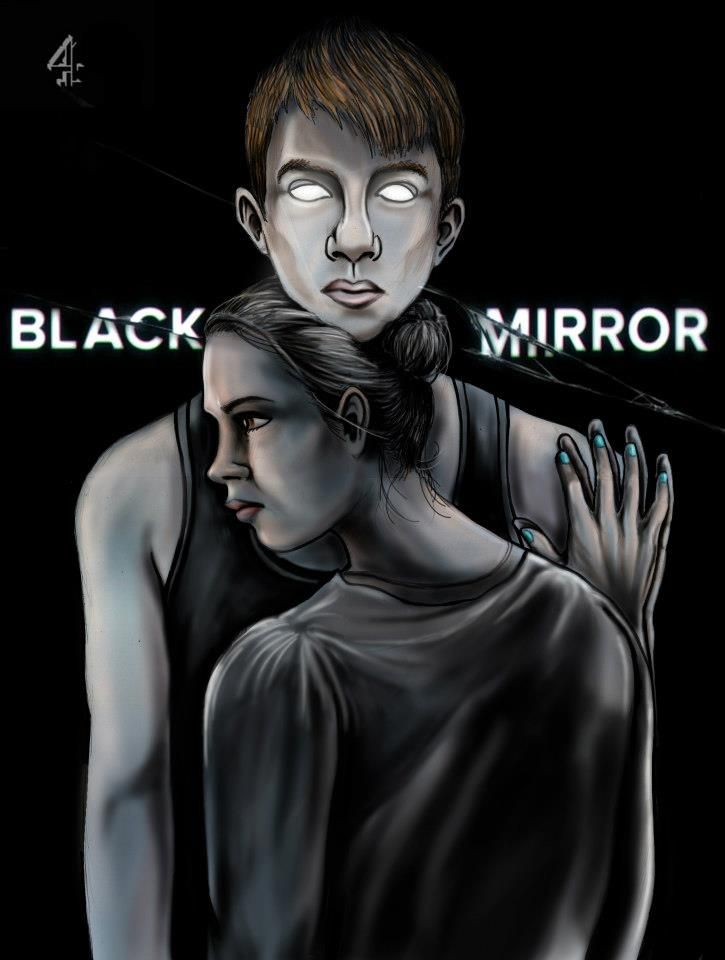
“Be Right Back” is the best episode of Black Mirror because it never loses sight of its humanity. It understands that all of this technology and change isn’t the point. We are. The technology that we create and come to rely on reveals far more about us than almost anything else.
We’re a species still getting over the shocking fears that come along with basic existence. We create email and new telecommunications devices to stay close to one another. We create entertainment like Black Mirror to pass all the hours we’re given and maybe even think about them critically. We create new medical technologies to buy us precious more time to figure all this shit out.
In “Be Right Back,” we think we’ve found a way to buy more time – a way to defeat both death and fear so that love can live forever. We’re wrong.
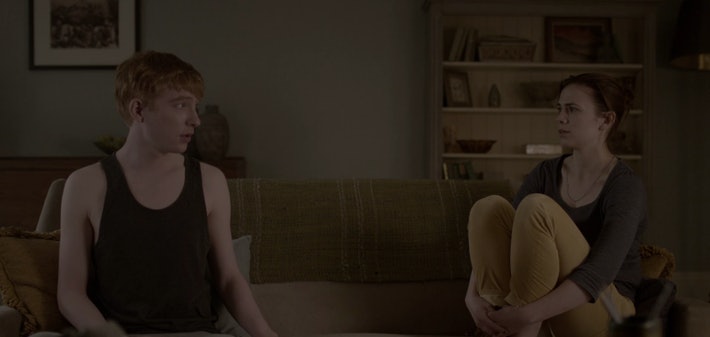
“Be Right Back” opens with one of the most believably comfortable and happy couples the show has ever featured. Ash (Domhnall Gleeson) and Martha (Hayley Atwell) are in love.
The sense of growth in “Be Right Back” is remarkable. The episode is almost equally divided into three different portions of Ash’s “afterlife.” First, there are the email conversations, then the phone conversations, and finally the body. If the episode had jumped directly to the uncanny valley body version of Ash, I suspect both we and Martha would have rejected it. But by presenting them one-by-one in order it all somehow seems a lot more reasonable.
She wants something close to it. Something closer to an actual human being, who actually at least possesses the ability to react emotionally. Without logic. Not a machine that is programmed to respond in a series of algorithmic, non-violent ways. But Technology changes. People don’t.
References:
Mary Chayko, (2018), “Inhabiting a digital Environment, Social Network vs. Online Community”
Available at: https://superconnectedblogdotcom.files.wordpress.com/2018/01/3-inhabiting-a-digital-environment.pdf
[Accessed at: 17 September 2020]
Laura Johnson, (2014), “Social Network vs. Online Community”
Available at: https://www.socialmediatoday.com/content/social-network-vs-online-community-what-difference
[Accessed at: 17 September 2020]
Adrienne Tyler, (2019), “Black Mirror: Be Right Back’s Ending Explained”
Available at: https://screenrant.com/black-mirror-be-right-back-ending-explained/
[Accessed at: 18 September 2020]
Neela Debnath, (2018), “black Mirror, be right back explained”
Available at: https://www.express.co.uk/showbiz/tv-radio/1197687/Black-Mirror-Be-Right-Back-explained-season-2-episode-1-S02E01-series
[Accessed at: 18 September 2020]

I found interesting news about TikTok and WeChat that the two apps will be banned in the United States if President Trump does not sign in the last few moments.
 SOCIAL MEDIA & SOCIETY
I think you make an excellent analysis of the Black Mirror episode! You wrote about how computer interactions can be made to feel authentic and genuine. I think we as humans, ironically in AI and other forms of technology DO look for the humanistic characterizations. We want to communicate in the most normal ways because what we really want is to be heard, to be loved, and to feel valid. As we saw in the episode, Martha eventually comes to the realization that she cannot recreate the feelings and experiences she shared with Ash. Ultimately, there is no substitution for human interaction.
LikeLike
I really like your description of the episode we had to view for the week. When you got to your point of how computer interactions can be sought out to be real and genuine these days I agree and it is not safe because this natural thing should not be replaced by technology. II think it is also safe to say that the episode is a good representation of why this does not work because although Martha knew Ash was for her and she did not want to be without him. This alternative was not the same and could not replace what they had.
LikeLike