Propaganda

Foreign Propaganda, Perceptions and Policy | The Institute of World Politics

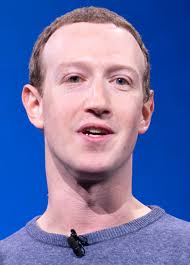
I would like to start off by saying that this week’s group presentation was really good. A question that was asked during the discussion was along the lines “ why was Facebook created or what is the use of Facebook” and I would like to answer that. Facebook was originally made for the social aspect but as time went on it is used to get information across to people through a mass. As time went on people tried to find a way to promote things and get people to believe things through the tactic of propaganda and it is effective because it is hard to distinguish fake news from real in a quick fashion. Mark originally didn’t want to add Ads to Facebook but it happened and people are going pay for it and are put up a lot of money so that they can get their ads to the public. 

Social Media is a place where people are the most and use it now for jobs and campaigns and more. With this information, terrorist groups are about to use this platform to recruit members of their groups and have people act out crazy and unexpected crimes and think that it is okay. 

While reading the articles provided for a week about ISIS, I remember reading an article a few years back about how this guy become an ISIS member through finding it on social media and making it his calling. This is very dangerous because people are reading propaganda ads and believe the message and think that’s the way of thinking. Propaganda is known for its way of taking a message and making it misleading bias and it is effective in messing with people’s minds and thought processes. 

Katie Hill Lost Her Job in a Flurry of Leaked Nudes and Tabloid Headlines.  Now She's Telling Her Story

In the article “The Humiliation of Katie Hill Offers a Warning” we learn about the Katie Hills’ private photos being legacies by her husband after it was revealed that she was having relations with staffers working on her campaign. Hill was so humiliated that she resigned and decided to divorce her abusive husband . Hill’s has promised to devote her time to fighting nonconsensual pornography: “I refuse to let this experience scare off other women,” she said on the House floor. This just shows how ugly politics can get and how a women’s body can be used as a weapon against her in a world that is run by powerful men. Women fight for rights every day whether small or big but any form of harassment should not be tolerated and should be taken seriously. It sucks that she had to resign but I understand why she did so. It is embarrassing and degrading for the public to see you in that light especially when she is or was a politician. Politics is just so messy and dangerous. 

Weekly News: As we wait for outcomes of the election, we wait for distraction to unleash.

https://www.vox.com/policy-and-politics/2020/11/2/21546327/boarded-up-business-election-day-protests
Personalization or Suppression?

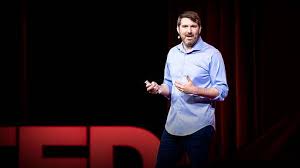
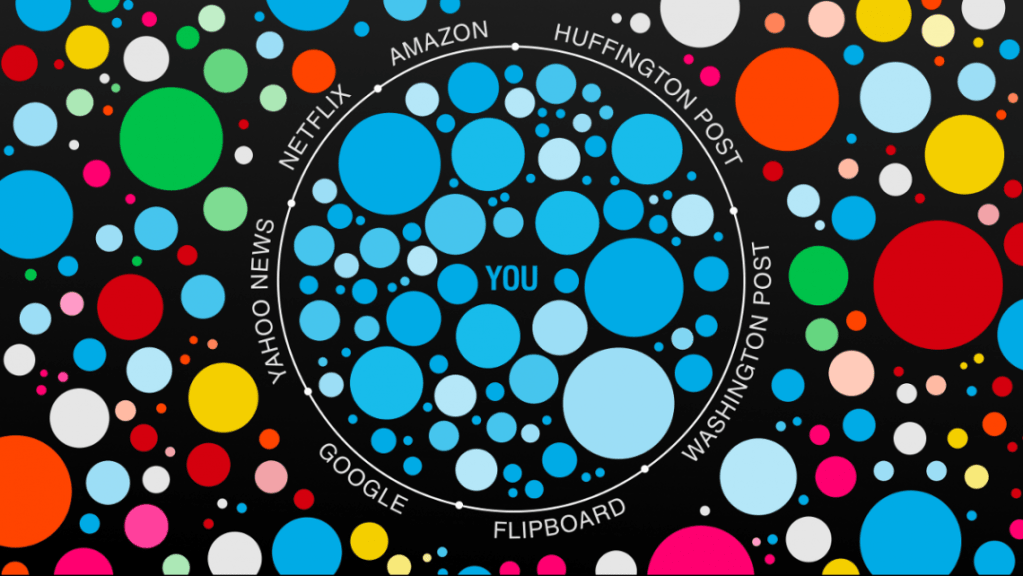
This week was a weird class where we didn’t actually meet on our usually Wednesday afternoon on zoom. We did have some very interesting articles to read and video to the watch. The one I think really focuses on a problem is the TED talk “The Filter Bubble”. In the TED talk Eli Pariser talks about Facebook and algorithm that have been put in place. These algorithms choose what you see on your Facebook feed based on what you clicked on, what posted you liked, what pages you follow and it then uses all this information to recommend new pages or people and to decide what to show you on your feed. Eli goes to talk about his own experience with this algorithm. He talks about have he liked to follow both republicans and democrats so that he could see both view points and stay informed on different topics because no one talks about the same thing. Eli then explained that he started to notice that his feed was pretty much of the democrat view points and this happened because the algorithm saw that he was clicking on way more of the democrat friends links then the republican so it decided he didn’t want to see them any more and basically cut them out of his feed. Eli then talks about how Facebook isn’t the only one doing this but so is companies like Google, Netflix, Amazon, Huffington post, and others. Now I do think this is a good thing for companies like Netflix and Amazon where you want to see things of you taste or that you would be interested in and it creates more personalization. With places like Google and Huffington post these are places where people go to find information and personalizing these causes people to miss out on important information and be less informed unless they dig deep. These algorithms have to help people stay informed by making sure things that are important and current stay on peoples feeds even if they don’t fit to what they normally like or click on and by not doing this we are just hurting ourselves by keep people less informed about events that could have a great affect on our lives and others and just letting them see cat videos all day.

We Live In A Political World: #146 / The Filter Bubble

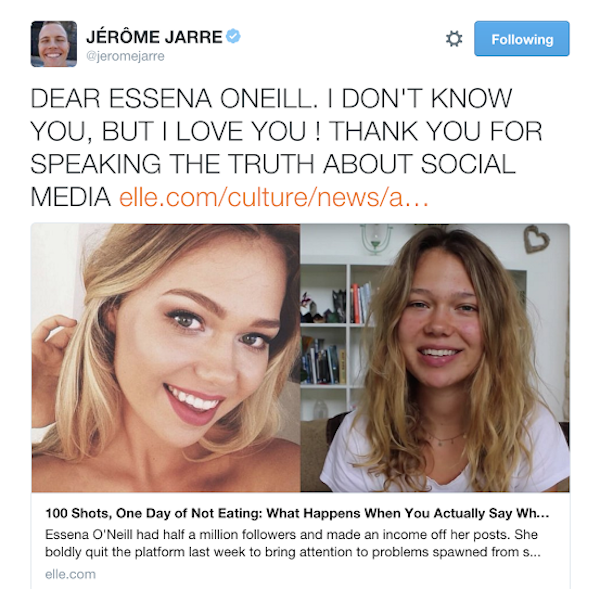
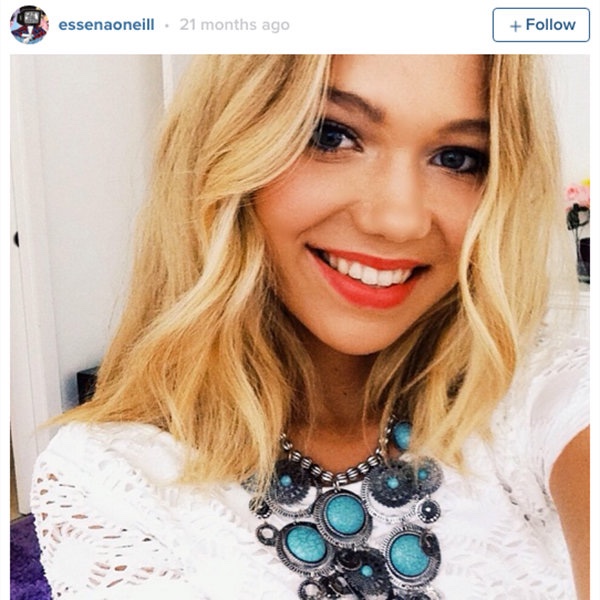
Two article that we read ” Essena O’Neil Quits Instagram” and “A follow Up to That” talk about an Australian Instagram model/influencer. People like this have really taken off and have found an pretty easy way to go make money through sponsors once they have thousands of followers. Essena comes out and talks about her own experience with this and how companies will pay for the clothes you wear and then you just spend your day doing photo shoots for Instagram pictures. Some of these pictures are then edited or the pose that you use alter the look of your body to make you fit that ideal standard. This then becomes a toxic environment where people see these post and think they need to look like the model/influencer to be accepted by society when these aren’t really achievable standards. Essena has come out and quit all social media for this reason and has been trying to get rid of the idolization of something that is not really and cant really be achieved.

Top 9 Benefits of Social Media for Your Business

I think both of these are sort of tied together because with the filter bubble its all about getting you to see things that you want to see and with Instagram it is about making your photos to what people want to see so you can maximize follows and likes and therefore make more money. To do both of these you have to sort of trick the users into thinking they are seeing the different people and pages they follow equally when the user is only seeing what the algorithm or the model/influencer want them to see. With just that slight change things that are of high importance that everyone should know about are not see and go unnoticed because of that. Do you agree with Eli and Essena that there has to be change with social media and even just the internet to allow people to see real life and be more informed?

News Article

This article talks about peer influence and the effect of likes on a post like Instagram have on the teenage brain.

The Reality of Social Media

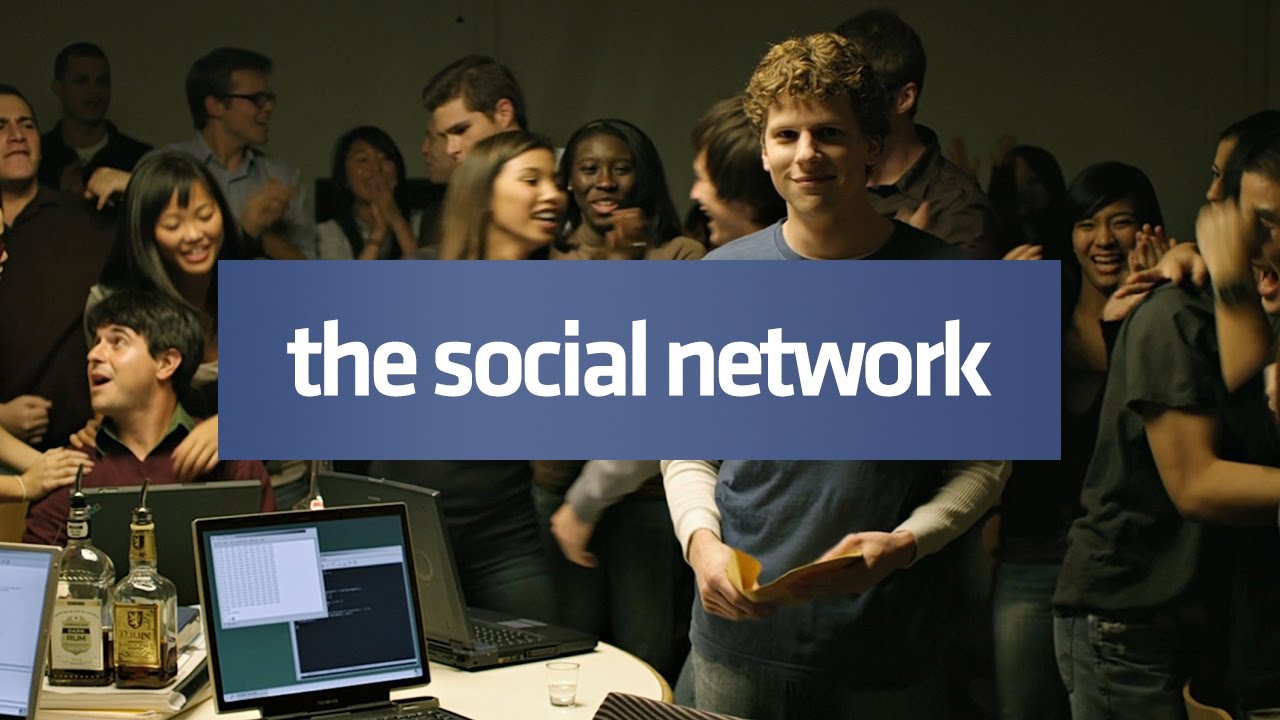
This week for class we looked at The Social Network and Essena O’Neill’s thoughts on Instagram and social media. In the film The Social Network, we get to see how Mark Zuckerberg and Facebook got to be one of the largest platforms online. Next I looked at why Essena O’Neill took down her Instagram page.

See the source image

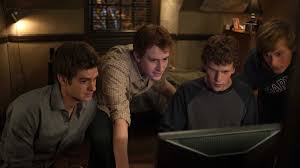
The Social Network which shows us Zuckerberg’s story and how he got to where he was with Facebook. It came out in 2010 starring Justin Timberlake, Jessie Eisenberg, and Andrew Garfield. After watching I did more research because of how enjoyable it was watching I found that this film also won three Academy Awards, including Best Original Score, Best Adapted Screenplay, and Best Film Editing. The film starts with Mark Zuckerberg attending Harvard University where he was heartbroken and decides to create a website named Face-mash that allowed him to hack into college databases and get pictures of the female students and allowed people to visit the site and rate their attractiveness. When he is discovered he receives 6 months of academic probation, which I thought to be very forgiving because in today’s society you would be kicked out of school for doing something like that. On the other hand if Zuckerberg was expelled there is a large possibility that we would not have Facebook today. After the site came to an end Zuckerberg and 3 other people worked together with the idea of social media in mind where Harvard students could go there with the goal of making new relationships as well as dating among them. Then this idea was got bigger to where it would be all the Ivy League Schools. With one thousand dollars Zuckerberg built the website, making Narendra and the Winklevoss twins very upset and thinking Zuckerberg kept them in the dark and stealing their idea. They even went to the President at Harvard complaining, but Zuckerberg did not receive any punishment from the school, on top of that Saverin becomes furious when his shares of Facebook took a massive drop from 34% to .003%, but still having ownership of the other parties involved. At the end Zuckerberg is being accused of stealing the idea of Facebook. I think that this film helps us to know who exactly Mark Zuckerberg, which also helped me understand some of his actions after 2010. It was very eye opening, but interesting at the same time showing the process of how the large social media platform of Facebook came to be.

Essena O'Neill: A Call To Use Social Media Responsibly. | elephant journal

A famous Australian teenager on Instagram, Essena O’Neill was finally fed up with the social media platform and took down her account and page. She hated the fact that you needed to be perfect in every way to get attention and followers. Her decision had many supporting her to create her own website where there will be no comments and likes, meaning it will just be real people and their posts with no negative messages. I think that this website does have a lot of potential because others are also done with receiving hate messages and other comments.

See the source image

Weekly News Article: Facebook will stop accepting new political ads a week before the US presidential election

This article shows how Mark Zuckerberg is taking steps to protect the election and remove any interference from it. I think that this was a smart decision by the CEO and allows Facebook to clean up any doubt about the election.

https://www.theverge.com/2020/9/3/21419258/facebook-political-ads-deadline-announcements-voter-registration-mark-zuckerberg

Media

Notice, I lost the “Social” that usually goes before media. After watching and reading everything this week, I feel a little confused. I’ve seen in past weeks how social media can possibly bring people together or make people feel like they aren’t alone. This week we dove into the other side. Of course social media brings people together right? We’re all on the same network; we can post, comment, like, message, etc. Where do you draw the line between reality and the internet? I think this is something that, according to the story we saw in The Social Network, even the founders of these very sites have or continue to struggle with.

The Social Network — Sorkin, Structure, and Collaboration - YouTube

Although it may not be completely historically accurate, I think that the social network encompasses everything we need to understand the meaning behind these new technologies. We see Zuckerberg and lose himself in the world of success. Surprisingly, it’s not for money, so what is it that Zuckerberg and everyone else who joined in are looking for? I think that the answer is an image. We see Mark and other characters struggle with this throughout the movie with the hot or not game, Mark accepting a deal to fix his image, talk of groupies, adding the relationship status, the appeal of Sean Parker… to be honest Facebook itself seems to be built on and used for and boosting your image among your peers.

We also see this concept when we look at the Essena O’Neil story. I thought that this was very interesting because she really gave up everything because of the way the pressure to uphold her image made her feel. She actually answers some unanswered questions in a video with another influencer, so I’ll leave it here in case you’re interested in watching some of it.

Essena has to constantly brand herself as a product and I think that this is what messed with both her self image and her ability to continue using the media. I can relate to her on a smaller level because about a year ago I quit using social media. I have recently gotten it back for my personal project, so I’m starting to evaluate the reasons why I felt I had to do it. The constant comparison to others that social media offers wasn’t good for me at the young age that I started using, and this was something that Essena brings up as well.

I Don't Torture Chickens - The Social Network GIF - Torture Chickens  TheSocialNetwork - Discover & Share GIFs

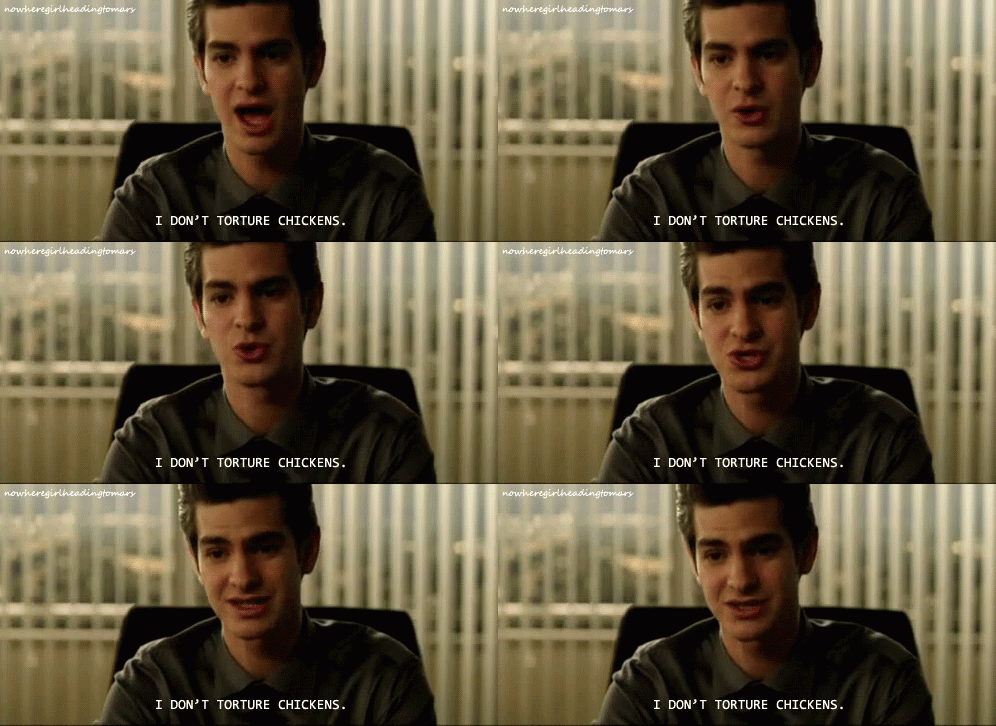
This branding also can have its positives, however. It can be a person’s gateway to their career just as it was for Zuckerberg. A big part of this idea came in when Eduardo runs into this problem with animal cruelty. It ends up in the school newspaper and, even though the situation wasn’t as it seemed it came back to haunt him during his legal battle with Zuckerberg. Zuckerberg even says something before they have issues about the story not looking like a good look for the company, especially with his name on the site as a co-founder.

I think the big lesson this week is to worry about the image you see of yourself before worrying about the image other people have of you. We also see the importance of branding and marketing when there is room for it. Here’s my question to you: In today’s social media noise full of influencers/bloggers/advertisers, what makes someone stand out? There are thousands of people to follow and sites to join, so what makes you gravitate towards one page, account, person, or site over another?

The Weekly News

GETTY IMAGE of hand holding smartphone

How Social Media is Preparing for US Election Chaos

https://www.bbc.com/news/technology-54738873

This story is a behind the scenes on how social media has to prepare for this controversial election. I chose it because not only does it go with our class, but I think it’s important to understand that civil unrest won’t just be in the streets.

Seeds of our own destruction

This week we had to watch a TED Talk and “The Social Network” and they were centered around Mark Zuckerberg and his creation of Facebook. We all know have heard of Facebook, but maybe not the backstory behind. The film shows us how Zuckerberg’s road to being a billionaire cost him his one true friend and in the TED Talk shows us how Facebook went from being being a connection to the work to being filtered.

“The Social Network” a movie that I heard of, but never got the time to watch. After watching it for the first time I am disappointed I did not see it before hand. It was a great film and is an amazing story about the come up of Mark Zuckerberg someone who really was not that social, but created a social media phenomenon. From what it seemed like Zuckerberg did not really care about riches, but ended up landing in billions for the cost of a true friend. The movie actually takes place from a legal standpoint, but constantly flashes back to the past of what really happened. Zuckerberg’s creation of Facebook can be deemed as accidental because he created FaceSmash just to get his mind off of a bad breakup. FaceSmash was generally a computer hack only a genius could pull off. It was meant to rate women on the Harvard campus hot or not and when it goes viral it gains the attention of these wealthy twins. After Zuckerberg connects with them the rest is pretty much history. With this sudden gain of power, fame and money this slowly destroys Zuckerberg. He finds himself in constant legal trouble because he is always looking for revenge. One lawsuit that is heavily highlighted in the film is the one regarding his former friend Eduardo someone who seemed to be the only true friend he actually had. Constantly putting up with Mark and the way he treated him he always stayed and actually cared for Mark from what I saw. So what was the point of this summary I say the point is from the movie and what it was trying to get at was that Zuckerberg lost the ability to control all aspects of his life. With his success it caused him to lose what was important to him and in the end it was a choice between the two. So what I ask everyone is if you came into sudden success like this do you think you could handle the life that comes with it?

Eli Pariser’s TED Talk expands on Facebook and what it was intended to do and now what it is shifting to. Like Zuckerberg’s innovation was meant to do it was a new way for the world to connect with one another at the time. Pariser acknowledges this and explains how as he was growing up facebook improved society. He uses his political standpoint of how he is a progressive and Facebook helped him meet more conservatives. Nowadays everything is filtered to you and this unique way to meet others is slowly drifting away. We see it everywhere you ever wonder when you search something up and you go on another application and there is an advertisement for it this is why. Facebook is not the only social media platform and engine doing this either this is what Google does as well. This isolation of the web is taking away the connectivity we all want. In my opinion we should be given some control of our internet. Not all intentions are bad and we want to be able to connect on a further level.

WEEKLY NEWS: https://www.cnet.com/news/halloween-2020-blue-moon-will-bring-a-rare-treat-to-the-skies-saturday/

“It’s contrived perfection made to get attention.”

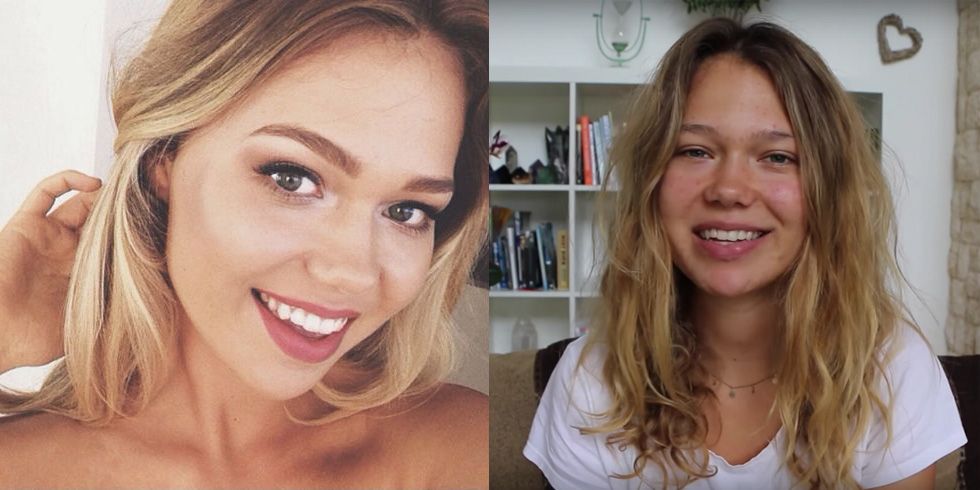
This is amazing, you can tell she is genuinely happy in the right(post social media), and really trying in the left.

Essena is amazing. As I’ve raved before, I find it really empowering when people have enough will power to delete social media and stop the perpetuating cycle of wanting likes and attention. Her quote, my title, really does describe it in a nutshell. Models, celebrities, anyone really, tries to put the most “perfect” version of themselves on social media with filters, angles, makeup, and whatever else hot people use to be more hot. Even ugly people like myself look good on Instagram because we do it on purpose. However, the one thing I don’t understand that is if you set your account up to promote and make money, especially 2K(AUD, I don’t know conversions to USD) a day, it seems odd to just stop. I understanding wanting to feel more “real” but if money is involved I don’t think I personally would have done what she did, but I really do admire her for it. It almost seems like she trended more with her stepping back from it, and making it a “movement” as someone on Twitter said. 
Here’s my question early- go back to the second article on her and read the final quote of the article by Anne Lamott. Tell me which one you’re living and if you’re happy. 

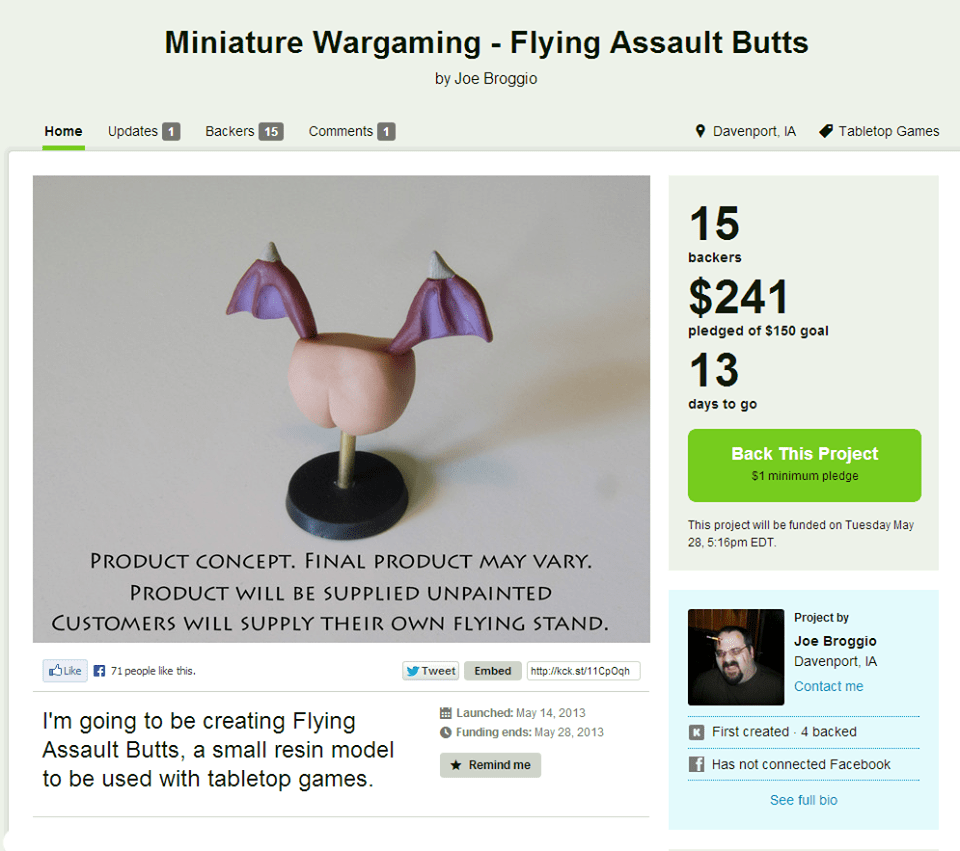
I’ve never heard of Kickstarter, I don’t even know if I’ve ever seen a film that’s come from it, definitely none of the ones mentioned in the article. I do find it odd that Zach Braff would have to use the site for funding, but I also get it from his standpoint too, if he dumps all of his own money into it, it flops, nobody wins. If a lot of people dump a little, everyone only loses a little rather than a huge deficit on one person. I like his quote of “ass-ton” because he’s probably right, nobody may have heard of it unless this controversial thing happened of him being on it to get the word out more for the site. 

In case anyone is looking for something good to fund on kickstarter

The Social Network. I remember when it came out because I made my Facebook like 6 months before it came out and I’m a huge fan of most of the cast (who doesn’t love Jesse Eisenberg?). It really is an interesting movie of the challenges to produce something as massive as Facebook. And how much of a genius these kids are to even think about doing something like that. Watching things like this about genius college students building what they built is mind boggling to me, I know Alfred isn’t Harvard, but I feel like we should step out game up after rewatching this. The court cases are exciting, and I feel like these kind of copyright lawsuits happen all the time. I mean really, anyone can share an idea, it’s a matter of who does it first. 

Literally everyone was just hating on him for the whole Wayfair situation blowing up.

https://www.usatoday.com/story/news/politics/2020/10/30/voting-2020-older-americans-casting-ballots-first-time/3745521001/

This is the article, I’m so happy to read this. EVERYONE GO VOTE

The Social Network

This movie The Social Network was a very intriguing movie and I absolutely loved it. This film was about the creation of Facebook and all it’s legal problems in the beginning of its launch. Seeing Mark Zuckerberg talk in person and having him being portrayed in a movie made me see him in a different light. I did not know how committed an intellectual Zuckerberg was, but also how anti-social he was compared to the people around him. It did not seem as though he knew the definition of what being a friend was and for him to make a platform for friends and potential lovers to connect is very ironic. Mark Zuckerberg states, “People want to go online and check out their friends, so why not build a website that offers that? Eduardo, I’m not talking about dating site, I’m talking about taking the entire social experience of college and putting it online” (The Social Network). Once Zuckerberg and Eduardo created “The Facebook” for various colleges to connect with other college students on campus it became a successful platform to interact on. “The Facebook” became so interactive that  Zuckerberg began to make the website available for colleges internationally to connect to. Zuckerberg began to face problems after he launched “The Facebook” knowing that the similar idea came from two Harvard Brothers who asked for his help to create “Harvard Connect” uniquely for Harvard University. Zuckerberg was sued later on by the brothers once they couldn’t get help from the President of Harvard University for the reasoning of theft. Zuckerberg was also in connections with Sean Parker, the founder of Napster, which aided in problems and triumphs for the website and himself. 

Sean Parker states “Private behavior is a relic of a time gone by, and if somehow, someway, you’ve managed to live your life like the Dalai Lama, they’ll make shit up. Because they don’t want you, they want your idea” (The Social Network). Facebook definitely created an environment in which  your business is no longer private and it is rare to be private. social media has created  the idea that uploading, posting and retweeting daily is a norm. Facebook has been implementing more ads and regulated posts for people to interact with which can be highly addicting.When Zuckerberg moved out to California and got  more help from Sean Parker, Eduardo’s position as CFO was being downplayed. Eduardo went from owning over 30% of shares of Facebook to 0.03%. This caused troubles for Zuckerberg because he had to deal with two legal issues because of Facebook.  but now those cases are far behind him and are solved, and now it is  a billion dollar business that is booming off of the population of the world’s internet browsers. These social networks haven’t implemented ways to lessen people’s time off of the network to practice self awareness and mental health checks. We are the guinea pigs for social media and the digital age.

Do you think Facebook was inevitable to be created for this digital era?

Weekly Post: R.I.P Kevin E. Peterson

Social justice

undefined

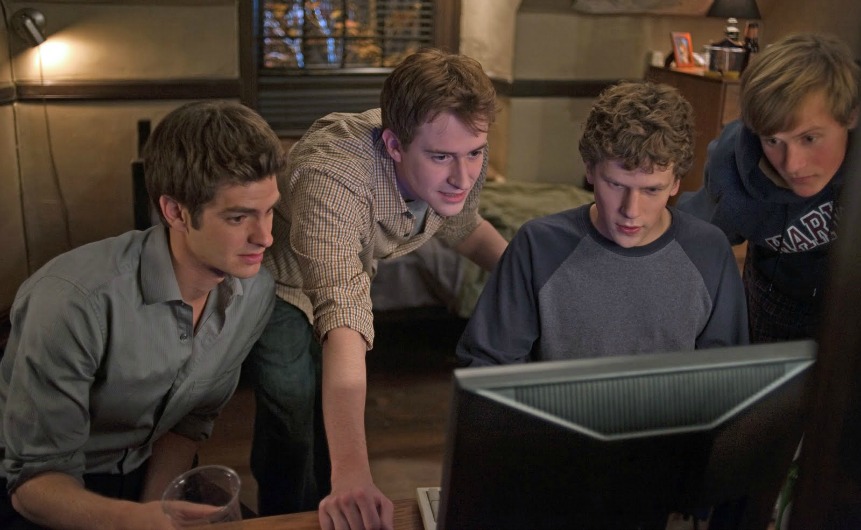
This week we had to watch the social network on Netflix. I have to admit when I first read the description I thought it would be very boring but as the movie progressed it got very interesting.It starts out with this super smart guy getting dumped. Then him and his friends create a website where they rank how hot a girl is compared to another girl. The one friend(Andrew Garfield) is spectacle of this and doesn’t want him to do it but he ends up giving him the formula anyways. This site then its sent to all the girls on campus and its the big buzz.Then two men that are somewhat rich ask Zuckerberg to create a website that helps Harvard students get girls on social media. Immediately he says he’s in.It keeps flashing back and forth between present and past of what Zuckerberg does and it appears that he has multiple law suits being charged against him. This movie basically describes how Facebook was made, thats what im guessing.In the movie Zuckerberg tricked the dating website guys into thinking that he was making there website but was actually making Facebook for himself.Throughout the movie it is very awesome to see the little details that happens in his life that he puts in the website, just like the little relationship status.When Facebook hit, Mark was the biggest thing on campus getting all the girls for him and his friend and he was getting talked to left and right by people.When Marks friend found out he absolutely lost it and I feel like he lost a lot of trust from him. In this movie I love the actor that plays Mark and the way he says everything on the intellectual scale and the way he presents himself as being the smartest man in the room.

I liked how they took the advice from Napster and we had just watched a documentary on that so I thought that was awesome.Sean parkers story on that documentary was awesome and he also came up with the name Facebook instead of the Facebook, this was his biggest investment in the company.I also liked that Mark and Sean both had there hearts broken in high school and college and because of this went on to make two very successful websites and be very successful individuals. But I think that when Mark really invested in Sean is when the whole thing took a turn for the worst. If he would hav just listened to his CFO then I think this whole aw suit situation could have been avoided very easily .Zuckerbeg ultimately screwed his CFO by taking his shares of the company out if new investors came unmaking Andrew Garfield file a law suit against Mark.

Just reflecting on this whole thing, I just really like the way that the whole movie was put together and the flashbacks and going to the present from there. Facebook is one of the most profitable companies in the world and just seeing how it was created and the whole story behind it is just awesome.

Check out this news article: https://www.nytimes.com/2020/10/30/us/migrant-children-expulsions-mexico.html

The Reality of Social Networking

The tenth week of Social Media & Society has introduced us to The Social Network, Beware Online “Filter Bubbles” and Essena O’Neill’s perspective on Instagram. The film covers the journey of Mark Zuckerberg and his rise to fame. Essena O’Neill explains why she deactivated her Instagram account while the TED Talk discussed how filter bubbles are neglecting our ability to be exposed to information that could challenge or broaden our worldview.

The Social Network was released in 2010, written by Aaron Sorkin and direct by David Fincher. The film stars Jessie Eisenberg, Andrew Garfield and Justin Timberlake. The film won three Academy Awards: Best Adapted Screenplay, Best Original Score, and Best Film Editing. I found the film fascinating and thrilling. From Zuckerberg’s small beginnings to his billions, he impacted the nation and the globe. His creation or theft (depending on our perspective) was insurmountable and became what we know today as Facebook.

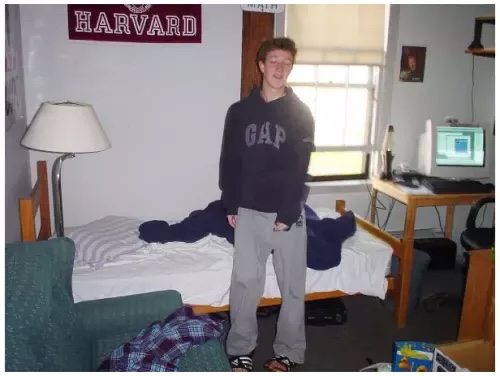
Mark Zuckerberg as a Sophomore, Harvard University

A young Mark Zuckerberg (Jessie Eisenberg) was attending Harvard University when his heart was ripped apart by his previous girlfriend, Erica Albright. Returning to his dorm, Zuckerberg writes an insulting entry about Albright on his Live Journal blog. He creates a campus website called Face-mash by hacking into college databases to steal photos of female students, then allowing site visitors to rate their attractiveness. After traffic to the site overloads parts of Harvard’s computer system, Zuckerberg is sentenced six months of academic probation. However, Face-mash’s popularity attracts the attention of two individuals. Cameron and Tyler Winklevoss and their business partner Divya Narendra. The 4 individuals started collaborating together and debating about an idea of social networking, exclusively for Harvard students. The networking was aimed at establishing relationships and dating amongst college students. Zuckerberg approaches his friend Eduardo Saverin with an idea; a social networking website that would be exclusive to Ivy League students. Saverin provides a one-thousand dollar in funding, allowing Zuckerberg to build the website. The Winklevoss twins and Narendra are enraged, believing that Zuckerberg stole their idea while keeping them in the dark by stalling on developing their Harvard website. The three individuals raised their complaint to the President Harvard. However, there was no disciplinary action taken against Zuckerberg. Saverin becomes infuriated when he discovers that the new investment deal allows his share of Facebook to be diluted from 34% to 0.03% while maintaining the ownership percentage of all other parties. He confronts Zuckerberg and Parker, and Saverin vows to sue Zuckerberg before being ejected from the building. At end of the film, the Winklevoss brothers claim that Zuckerberg stole their idea, while Saverin claims his shares of Facebook was unfairly diluted when the company was incorporated.

Eli Pariser believed that the Internet exceeded our exceptions and had become everything that we all dreamed of. The internet as a whole has connected us all together, but we need it to introduce us to new ideas, new people and different perspectives. I believe that it is crucial for individuals to expand outside their norms and experience different forms of culture. No one wants to be know as the “arrogant American”, leave your comfort zone and expand your horizons. Pariser ended with the statement, “It’s (internet) not going to do that if it leaves us all isolated in a web of one.”

Essena O’Neill, an Australian teenager, has had enough of Instagram’s platform. She described the application as “contrived perfection made to get attention”. Her dramatic rejection of social media has won her praise amongst audiences and pushed her to create her own website. O’Neill stated, “The site will cover veganism, creative imagery with purpose, poems, writing, interviews with people that inspire me, and of course the finical reality behind deluding people off Instagram.”

Published by: Samuel Erickson

Weekly News Article: CBNC shares Mark Zuckerberg’s perspective and opinion about the upcoming election. Zuckerberg is worried about the increased risk of potential civil unrest associated with the November 3rd, United States presidential election.

Link:

https://www.cnbc.com/2020/10/29/facebook-ceo-mark-zuckerberg-risk-of-civil-unrest-around-election.html

Facebook and Celebrities

This week’s class consisted of three articles and two videos. This week’s class was a bit different as we just watched a recording. In The Social Network which is about Mark Zuckerberg’s start creating Facebook. The creation and early days of the social networking website Facebook are portrayed as told by flashbacks through deposition proceedings for two parallel lawsuits. Harvard students Mark Zuckerberg and Eduardo Saverin were once best friends-officially identified as co-founders of the website. Zuckerberg, who showed a streak of arrogance on an online blog about his ex-girlfriend and a website he developed to allow its users to rate the hotness factor of girls on campus, was asked by fellow Harvardites, wealthy twins Cameron Winklevoss and Tyler Winklevoss, and their friend Divya Narendra, to enter into an agreement specifically for Harvard to develop a social networking website. Zuckerberg consented. Instead, Zuckerberg wanted to create his own website with financing from his friend Saverin without telling the “Winklevi” (as he calls the twins) and Narendra. The assertion by Zuckerberg was that in his work he never used a line of code given by the three. When “the Facebook” started to flourish as it was then called, the twins and Narendra had to find out what to do to reclaim what they believed in their intellectual property without having to sue, because that’s not what Harvardites do gentlemanly. 

Photo by Pixabay on Pexels.com

Zuckerberg and Saverin started to have a difference of opinion as the site was taken to more and more university campuses: Saverin wanted to sell ad space to raise revenue (as he was the sole financier of the website and had a profit mindset focused on being an economics major), while Zuckerberg, never interested in profits, did not want to go that route as the advertising would make the site lose interest. The platform attracted the attention of Sean Parker, the founder of Napster, whose own dot-com life had its spectacular ups and downs. As Parker incorporated himself into the life of Facebook (much to the chagrin of Saverin) and as Zuckerberg began gradually to side with Parker, Saverin slowly began to be phased out of both the personal and professional life of Zuckerberg. Initially, Saverin invested $1,000 to start the business and has been investing and supplying the business with funds to get it up and running. When Saverin sees that Parker, who Saverin thinks is bad news, has strongly affected Zuckerberg, he freezes the bank account and the money. Zuckerberg then finds a businessman, Peter Theil, who is making a $500,000 investment. Saverin was in NYC trying to win sponsorship deals that Zuckerberg and Parker did not see as a good course for the venture. For Facebook, he and Zuckerberg saw something larger, which finally became just” Facebook “on Parker’s suggestion. When Saverin returned from NYC the last time, he learned that his company shares were reduced to .03 percent and Saverin was outraged. Zuckerberg finally ended up settling with the brothers Saverin and Winklevoss. One million members just broke Facebook. Facebook is estimated at US$ 25 billion, making Zuckerberg the world’s youngest billionaire.

Photo by Sora Shimazaki on Pexels.com


Moving on to our article, Why People Get Annoyed at Celebrities on Kickstarters, we read about why a filmmaker was asking for donations on Kickstarter. In this article, we read and come more to an understanding that this director can’t pull $5.5 million out of his pocket to fund this. We can forget that while people crave to be a celebrity it’s not all about the money. “In other words, if people think you have a lot of money, they’re going to ask why you’re asking them for more. There always will be a backlash against anyone who seems like they’re reverse-Robin-Hooding a situation.” I believe it depends on the person, they either wish for fame and money or simply just to be recognized for their works. I can honestly wish there were more people in it for the recognition but sadly that is not the case. Those who do it to show their work to the world are the ones we should be supporting. Rather than supporting those in it just for the money, we should change our view and really ask ourselves, is this someone to look up to?

Photo by Pixabay on Pexels.com

Have you noticed Facebook’s ever changing algorithm? What about celebrities only posting for brand deals? Who do you know just trying to get their work recognized?

Weekly news: