
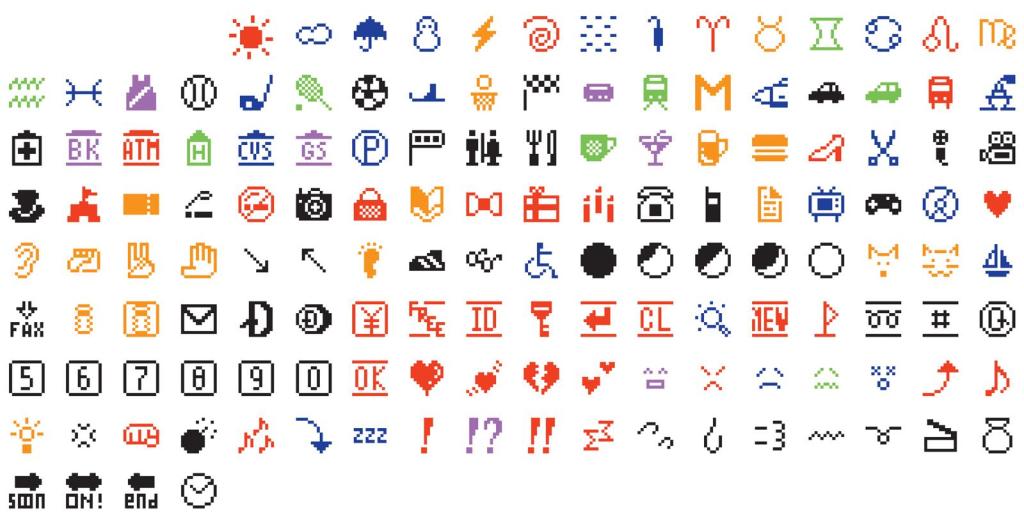
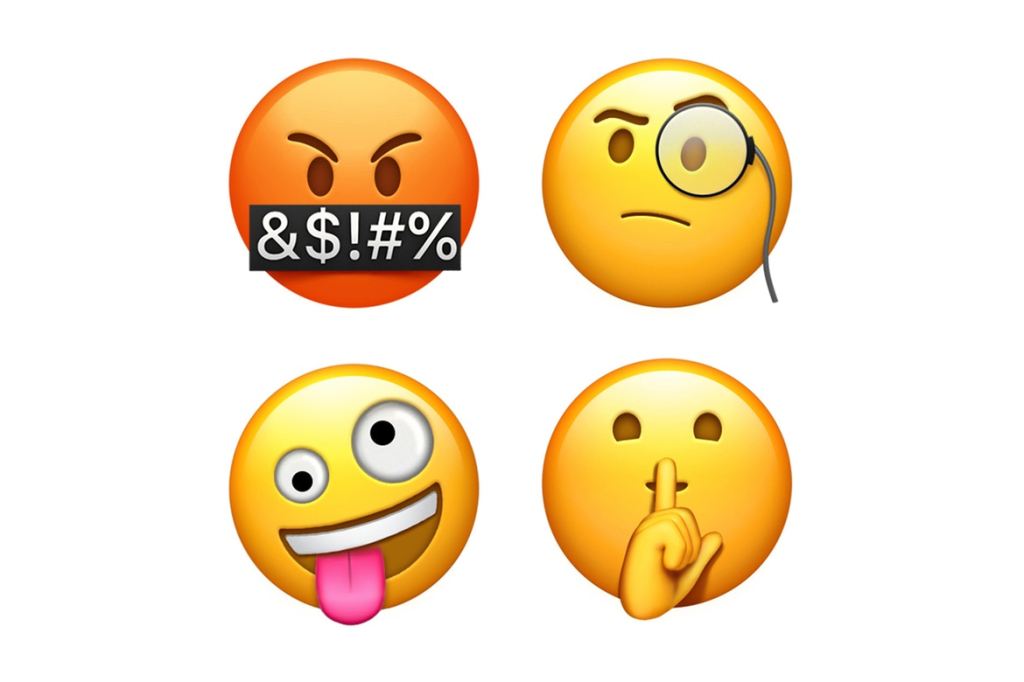
As of last week, there are now 3,053 emojis, including the 230 recently approved group of people of the year – yes, thumbnails are now receiving annual releases, such as Microsoft Word or tax refunds.This is too much emoji. We now have icons representing people with disabilities – which are an excellent digital representation – but we also have badges, many train types, fingers wrapped in all styles, great heroes, and gangs. This year, we got garlic and yo-yo. All the new additions make it difficult to find the right icon Also, not all emoji represent everything that is possible. There are no brides with redheads, for example.
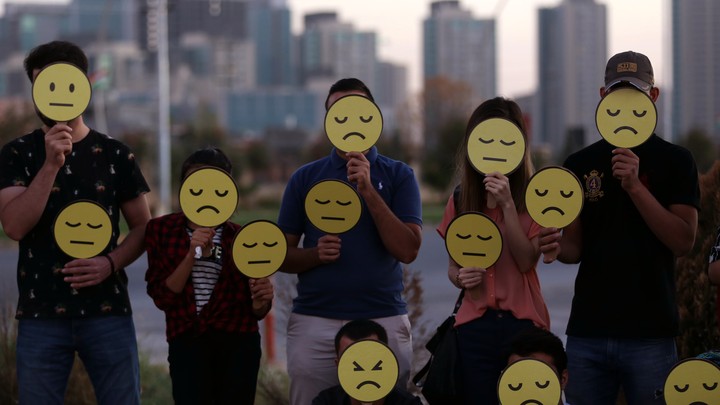
There are no white men with brown hair and a beard. The new emoji features hand-held pairs of different skin tones, allowing racial couples to have their own mobile graphics at the end. However, incorporating different skin tone options for each family member in multiple groups, such as a family, could result in obtaining 4,225 permissions. This year’s emoji category adds stand-alone gender-neutral options, but those aren’t available as jobs like a doctor or an astronaut. Unless the emoji meets the creators of the Bitmoji style, they will always leave other people out. And then, who wants to create a new avatar for everyone they want to expose in an instant message? As a white man whose identity is always flawed in emoji, let me be clear that the growing diversity in the world’s favorite language is a good thing.
Ted Talk:
Henry Jenkins said that there are here are many ways to think about such a topic. An important choice I faced was between the studies of fan culture, which would be at the center of what fans do and think, as well as fan studies, which would highlight the emergence and influence of a new field of education focused on hypocritical research and other forms of participatory culture. At the undergraduate level, I would have taken the first course but at the graduation level, I chose the second – to try to mark the emergence of a research field that focuses on the study of fan communities and show how they have addressed a wide range of issues in media and culture over the past two decades.

As you will see, I am teaching a lesson right now, I have found that it is impossible to separate the cultural dialogue of followers in contemporary discussions with web 2.0 so I made that problematic, controversial, and evolving relationship an important topic for students to investigate. Don’t get me wrong – I don’t think it’s a simple game between three words in my title. The dynamic relationship between those three words is the most important thing in the classroom. I think it’s about the richness of the fan research site that I’ve put in so many jobs that I have and I still feel worthless because it’s easy to see gaps and omissions. Some of the topics are overly explored with research.
References
- EMOJI DON’T MEAN WHAT THEY USED TO (2019)
Accessed at:” https://www.theatlantic.com/technology/archive/2019/02/how-new-emoji-are-changing-pictorial-language/582400/”
TED: Ideas Worth spreading (2010); TEDx NYED
Accessed at:” https://www.ted.com/tedx/events/223”

I found some news abou DoorDash company As the company’s losses reached 149 million in 2020, this is a complete change from the previous year, where losses were 533 million:
https://www.cnbc.com/2020/11/13/doordash-releases-s-1-for-ipo.html










 SOCIAL MEDIA & SOCIETY