
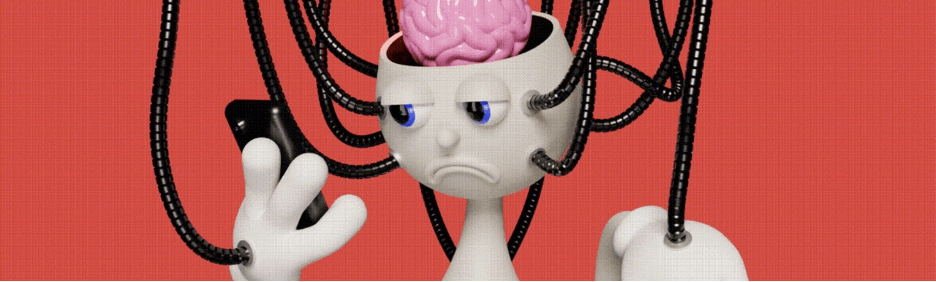
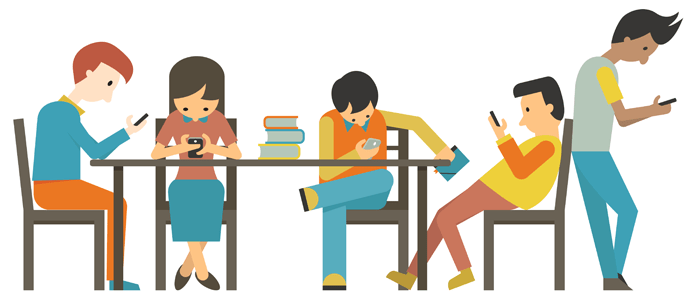
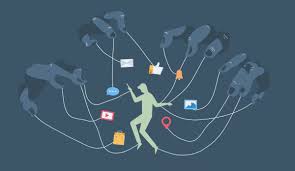
There is a growing problem within our society that is only going to get worse if we do not make some changes: the social media dilemma and its effects on our youth. Social media affects our everyday lives, our democracies, and will have a negative outcome on our future if we do not harness its power and truly use it for greater good. No matter the original intentions of social media platforms, they have morphed into something more sinister; more nefarious. The companies who control the apps that we use daily are more interested in creating without regulation and making money from advertisers. Meanwhile, we are used as puppets; our data and information harvested, and our mental health declining. These tech companies are creating wonderful and genius technology, but at what cost? We have essentially become addicted to our phones; consulting apps for reassurance and measuring our worth with how many likes we get. We are constantly bombarded by advertisements all competing for our attention and they have it. We are more disconnected from each other than ever and our democracy is at serious risk. We must take the necessary steps to mitigate these issues before it is too late. We cannot continue to allow our youth to suffer.
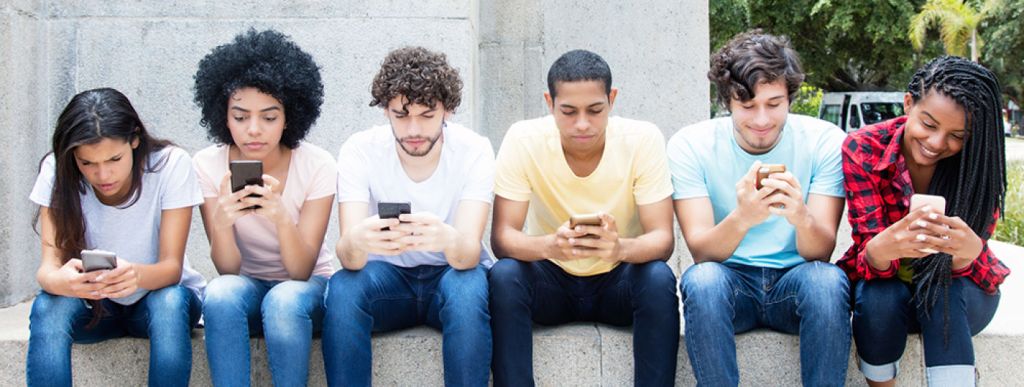
Adolescents and young adults are at risk for depression and anxiety related to social media and the numbers continue to rise. Within the last ten years, there has been a shift in the purpose of these technologies and instead of bringing us closer together, they are driving a wedge between us and society at large. Kids born around 1995 (and starting in 2011) are on their phones much more than previous younger generations, contributing to the rise of depression, anxiety, and self-harm. (The Kids Are Not Alright) The increase spans across age, race, and social class. Girls are more affected by depression while boys are more prone to anxiety. Kids see what other people are posting and if someone posts something that looks better than what they have they feel like their lives are less than. Boys seem to gravitate more towards video games while girls are putting something out there like a picture or a post and waiting for comments. Social media distorts our self-image and only 1/10th of what you post is reality (Talk Space, Social Media Dependency) At a time when teenagers’ minds are developing and they are cultivating coping and emotional skills, this type of validity seeking is harmful to development.
Depression – 3 million adolescents ages 12 to 17 in the U.S. had at least one major depressive episode.
Anxiety – 6.3 million teens ages 13-18 have had an anxiety disorder.
Suicide rates have increased by 70% for girls. (The Kids…) Self-harm is on the rise and there is a direct correlation between social media. Anxiety and depression has increased since 2012 and experts are struggling with figuring out the best way to help. The post 9/11 generation was raised in an era of economic and national insecurity, having experienced terrorism and school shootings in our nation. As Faith-Ann Bishop says in The Kids Are Not Alright, “we’re the first generation that cannot escape our problems at all.” She is right. With recent technology advancements, there is a hyper-connectedness that expands everywhere. Rural students are not so isolated anymore. We live in a world where we are more aware of everything. You have our attention, now it is up to the tech giants to accept responsibility for their platforms and harness the beast that they have created.
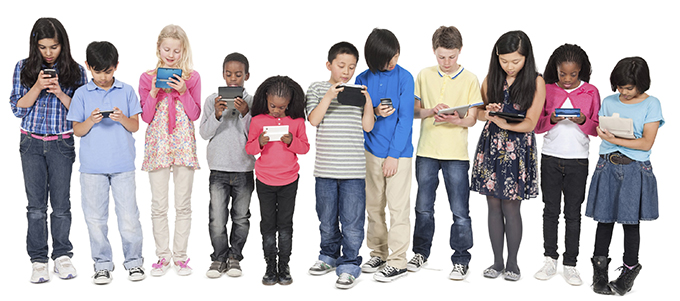
It is easy to shift blame, though. We could say that parents are not doing their part and that they are contributing to the problem by also being on their phones constantly and not setting good examples. Parents are either watching their kids too much and coddling or not keeping an eye on their kids and their technology usage enough. As Jonathan Haidt, the Social Psychologist and Author of The Coddling of the American Mind stated, that kids are unable to cope with adversity and that some things must be challenged, not protected. Parents are more apt to negotiate with their kids as opposed to providing structure and authority. Parents are also dealing with their own restraints with technology and social media. There used to be a distinction of when you were at work and at home. Now, adults are never truly away from work and as a result are mimicking their children’s social media habits, like “zoning out,” “ignoring people,” and being on their phones during family time. We all need to take responsibility for our social media habits, but it is up to parents to establish those boundaries and teach their children how to be responsible consumers.

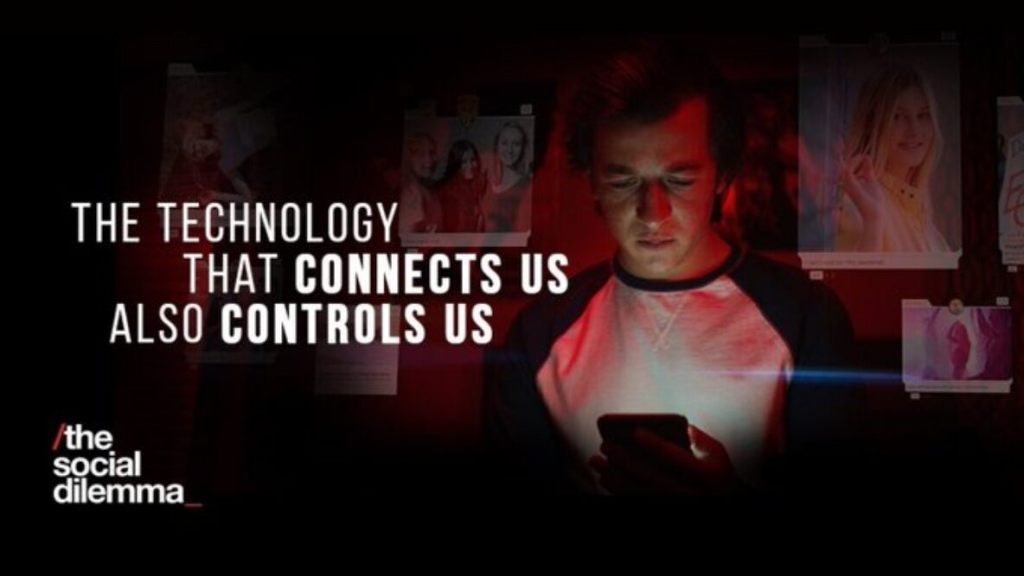
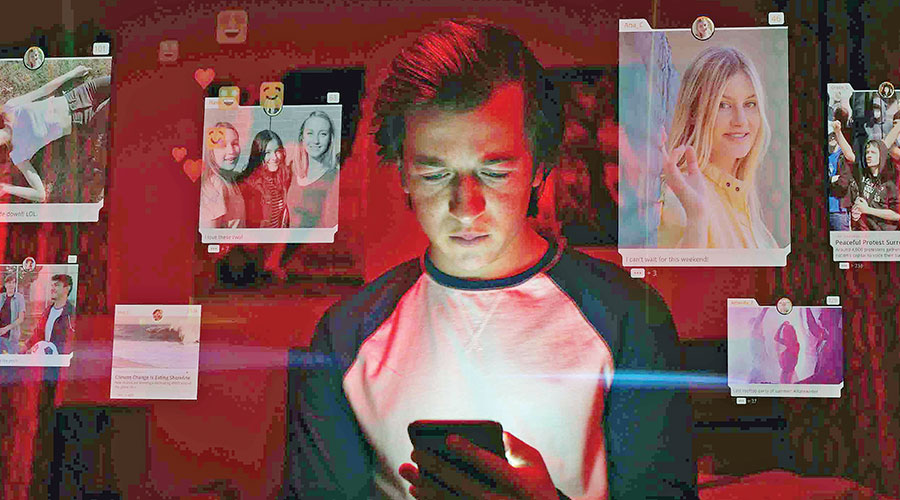
In the documentary, The Social Dilemma, top designers, and innovators of our social media culture conveyed that when they were developing these tools, they were concerned, but did not intend on the consequences. It is true that these tools have accomplished amazing things, but as Google Design Enthusiast, Tristan Harns puts it, the “world is going crazy.” The documentary presented a “Call to Arms” from tech producers in the industry and states that we have a moral responsibility to solve the problem of social media dependency and its effects on 2 billion people. After the Call to Arms was submitted, nothing happened. Social media has changed our behavior towards one another. We are losing the ability to empathize all in the name of money.
It is the tech corporations’ goal to keep us engaged on-screen. They make money from advertisers that compete with other advertisers for ads on social media platforms. The corporations are then paid a percentage. “If you are not paying for the product then you are the product” as Jaren Lanier, Founding Father of Virtual Reality and Computer Scientist states. The change in behavior of individuals IS the product. How you think and who you are changes and so does the world gradually. Different companies purchase all the data that is collected by these platforms and use that data against us for their own personal gains. Every action you take is monitored and recorded, including the amount of time you spend looking at something online. Advertisers have more information on us with no supervision or any regulations. What are they doing with all this data? They are building models that predict actions; whoever has the best model wins. The Social Dilemma describes it like building an avatar that monitors the videos you watch, pictures you like, and elicits and responds to what kinds of emotions trigger you. The three goals are engagement, growth, and advertising and they are all powered by an algorithm that keeps the numbers going up. What is scary is that they can turn the dial up whenever or however much they want to.
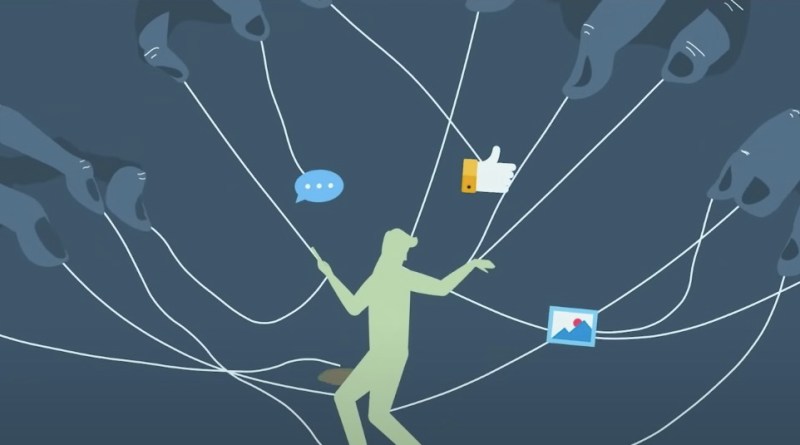
We are being treated as participants in a game with which we are unaware of the rules. Tech companies have learned how to make technology more persuasive through positive reinforcement. We are not simply being coerced; we are being programmed on a deeper level. As stated in The Social Dilemma this programming is not by accident; it is a design technique. Through an endless cycle of subliminal queues, suggestions, and dopamine responses we have become lab rats. These platforms have moved away from tools-based technology to manipulating us with our own psychology. Social approval and the attainment of a perceived sense of perfection from likes forces you into an endless cycle of “what can I do to get more likes” mindset. Our youth are suffering. They are more anxious, depressed, and fragile. Self-harm and suicide are on the rise. It is time to take responsibility. It is okay to make money, but without regulation there are no reasons for companies to change. If we continue this path there will be inevitable, destructive consequences. This is not how we want to treat our fellow human beings. We have a responsibility to ourselves, our children, and our future.
https://www.businessballs.com/glossaries-and-terminology/generational-nicknames-model-theory/
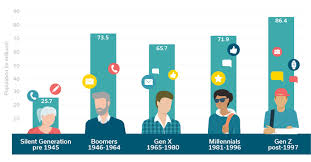
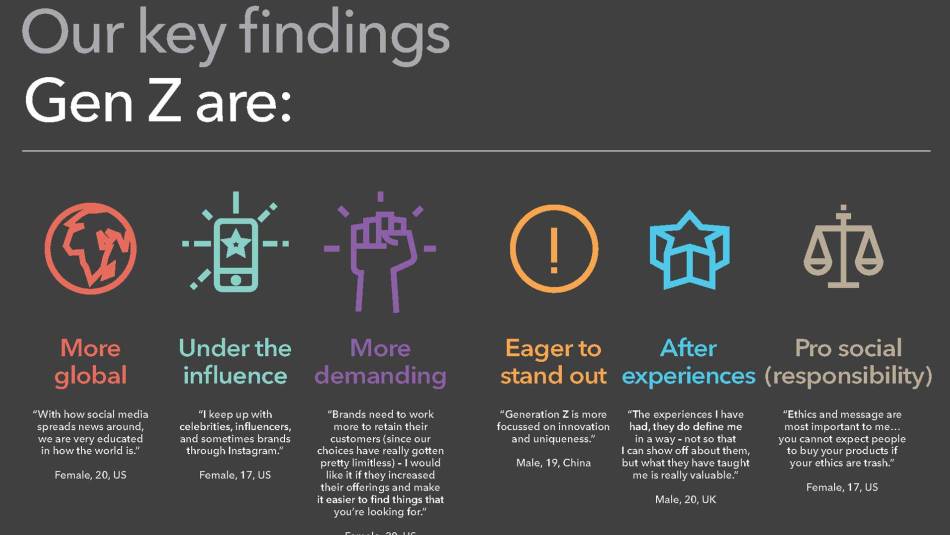
The Generational Theory implies that people’s formative years are the most sensitive in shaping their attitudes in response to political, economic, and social factors of the time. (Generational Nicknames…) The major factors that are considered to influence the character of each generational group are:
-societal norms and standards
-economic and political situations
-technological developments
-music and fashion
My generation, Gen X (or MTV/Xennial) is known for apathy, anarchy, detachment and being technophiles, resentful, nomadic, and struggling and our fashion and music is anarchic, bold, and anti-establishment.
Five Things Beneficial of Gen X:
- Can adapt easily; good at in-person conversation and technological communications
- Developed good social skills during a time when people were not addicted to their phones
- Good workers and get along well with others
- Can multi-task easily; open to change and innovation
- Good problem-solvers; solution driven
Five Problems of Gen X:
- Had to fend for ourselves growing up due to divorce and parents entering the work force
- Dislike authority and rigid work environments
- Nomadic and not grounded
- Score low at cost-effectiveness
- Scored lowest when displaying executive presence
Here is great article that pretty much sums up my generation: https://www.nytimes.com/interactive/2019/05/14/style/generation-xers.html
Works Cited:
Schrobsdorff, Susanna. Time, The Kids are Not Alright pp. 44-51
Talk Space: Social Media Dependency
Generational Nicknames: Model and Theory
https://www.businessballs.com/glossaries-and-terminology/generational-nicknames-model-theory/
Netflix, The Social Dilemma documentary
Weekly News Article:
“One root of the problem is the insatiable land grab by nearly every company imaginable — whether it’s Facebook or weather, parking and dating apps — to siphon every digital morsel of information about us, mostly because they can.”











 SOCIAL MEDIA & SOCIETY