
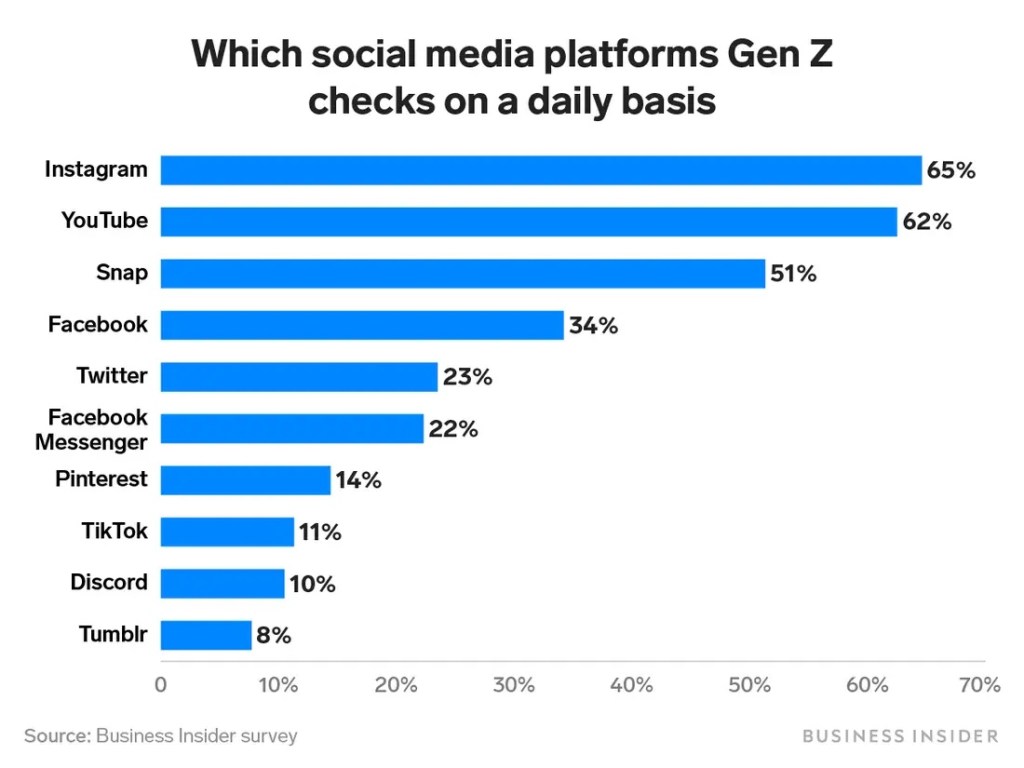
(PERSONAL PROJECT ESSAY) iPhones, laptops, tablets, facebook, instagram, twitter… who doesn’t have one nowadays. The internet and social media apps have grown at such a large scale and at such a quick pace that it is so hard to keep track. With having social media apps such as instagram, twitter, facebook, etc, comes its positives and negatives aspects to it. What I will be examining in my paper is social media in connection to cyberbullying and the psychological analysis behind it and its impact on society.

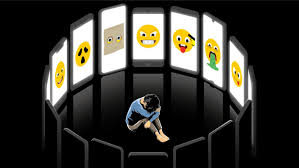
Cyberbullying is where people use electronic communication to essentially bully a person online and this includes sending threats and aggressive, insulting language towards the receiving end. According to the article by Darrin, the side effects of the receiving end of hateful messages is that people tend to have an increase in emotional stress, lowered self esteem, isolation and withdraw, and indulging in harmful habits such as excessive drinking or smoking. Using harsh words towards other people on the internet is so easy nowadays. Due to the physical detachment of viewing others, the screens allow them to feel disconnected from people, thus not seeing the impact that their words online have on the receiving end. An example of this is people commenting on celebrities pages because at times, people forget that celebrities are people as well and not just figures or icons.
In the screening from class, we watched an episode from black mirror called ” Hated in the Nation.” This episode is a fantastic example of society’s mindset when it comes to how they treat people online in connection to hateful messages. As a quick overview, In the episode it starts off with a journalist who released an article and is receiving tons of backlash for it. She is receiving hate mail, hate messages, death threats and a trend was evolving to where they would post online “death to”and the recipients name on the end. With that trend, it was designed for the people to vote and decipher who the top three hated people were that week and then whoever has the most votes for them would die. There was also an ADI bee that crept into the persons brain, the one who was number one on the death poll, and the bee would press on the pain center of the brain and cause them to kill themselves in order to be free of the pain. The hacker who controlled these bees, deviated from targeting the people who were on the death poll and instead targeted people who participated and posted the thread #deathto_. In the episode, the hacker wanted to give people a lesson, a moral lesson, that their actions have consequences.

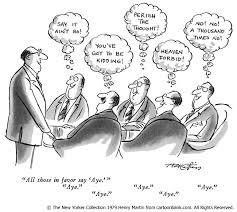
With online and being a part of a trend, whether it is hateful or not, people experience deindividuation. Deindividuation is where people see themselves in groups and not as an individual and therefore they act in a antinormative behavior. “ Regardless of who is in a crowd, the individual’s conscious personality fades, and the group’s unconscious personality prevails. The crowd, in his position, constitutes a single collective being that is guided by a mental unity and a collective soul that makes individuals feel, think and act differently than they would independently. With the help of suggestion and contagion mechanisms, feelings and ideas can quickly become actions. The individual may display automated behavior, increasing the likelihood of violent occurrences (Le Bon 1895,1995)“. This is the main concept behind cyberbullying in connection to the psychological backgrounds and how violence occurs. With technology, as mentioned before, it acts as a blocking barrier from you and the other person and therefore, because you cannot see the other person, you do not see the impact of your actions or words.
With cyberbullying and hateful speech online, not only does it impact the person psychologically but also physically. There is a study shown that hate speech online and using harsh words, correlates to an increase in violence. According to the article by Laub, there was a correlation found in Germany between anti-refugee facebook posts by the far right alternative for Germany party and the attacks on refugees. The scholars, Karsten Muller and Carlo Schwartz, observed that upticks in attacks such as arson and assault, followed the spikes in hate mongering posts. There is a link to the articles below if you want to see more information about it or any other incidences that occurred that is related to cyberbullying and the connection to violent attacks. It is very interesting to me why posting hateful and threatening posts is in connection to violence or even to the recipients themselves. What I am referring to here is suicide. Referring back to the episode in black mirror, people were dying because society targeted them. My interpretation of the bee pressing on their pain center was that people who were targeted and were being bullied online, it takes a toll on their mental health and essentially over time, they feel as thought there is no way out other than to commit suicide. There is a correlation between the increase in social media users and an increase on suicide rates according to the article by PMC. The hateful messages follow you into your home and there is no break from it. It follows you everywhere and the internet is forever so some people feel like their life is over.
People who take part in cyberbullying think of it more as funny and not real life when in fact it is. As mentioned before, people experience deindividuation which is how people experience deindividuation, which is when social norms are withdrawn because identities are concealed, and they also experience disinhibition because they cannot see the consequences of their actions, so therefore they so not see it as real so that is what occurs when people spread hate online and especially towards other people. I also touched on how the consequences of cyberbullying and the spread of hateful messages online correlates to physically harm and violence, whether it is self harm or harm to others. Social media plays a big part in the increase of these antics.
References
Laub, Zachary. Hate Speech on Social Media: Global Comparisons. 7 June 2019, http://www.cfr.org/backgrounder/hate-speech-social-media-global-comparisons.
authors, All, et al. “Deindividuation: From Le Bon to the Social Identity Model of Deindividuation Effects.” Taylor & Francis, 5 Apr. 2017, http://www.tandfonline.com/doi/full/10.1080/23311908.2017.1308104.
Luxton, David D, et al. “Social Media and Suicide: a Public Health Perspective.” American Journal of Public Health, American Public Health Association, May 2012, http://www.ncbi.nlm.nih.gov/pmc/articles/PMC3477910/.












 SOCIAL MEDIA & SOCIETY