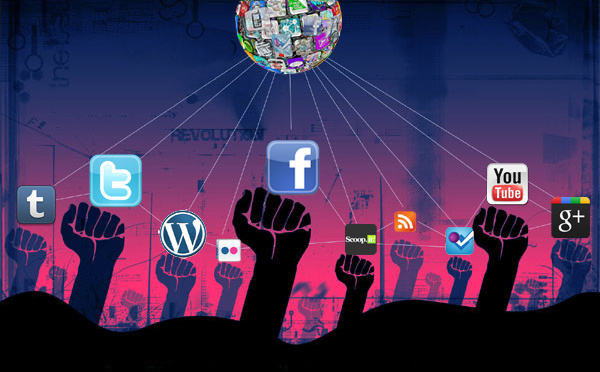
The Power of Social Media For Protests

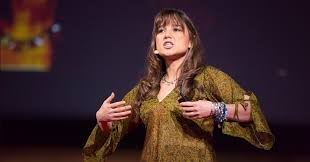
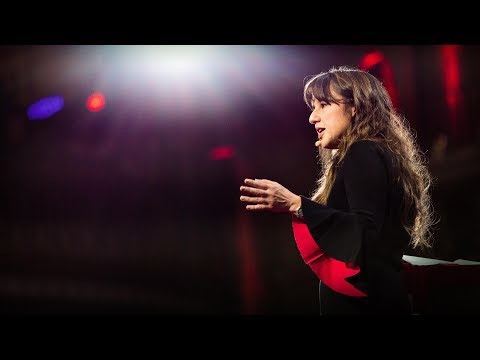
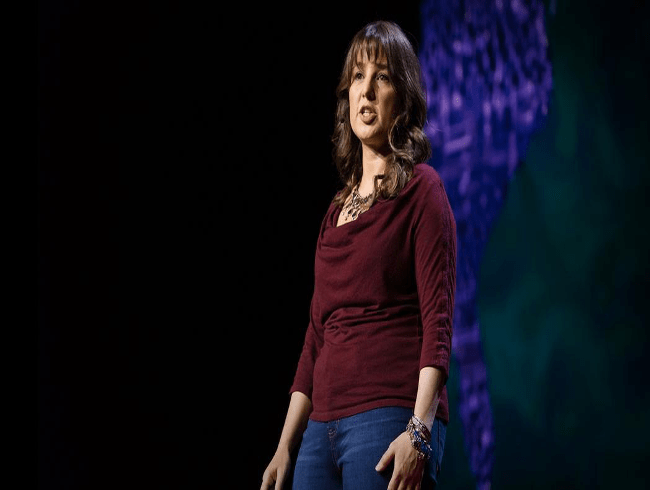
Zeynep Tufekci spoke at TEDGlobal 2014 Talk engaging on the topic ‘Online social change: easy to organize, hard to win’. Tufekci begins her talk by stating, “So recently we heard a lot about how social media helps empower protests, and that’s true, but after more than a decade of studying and participating in multiple social movements, I come to realize that the way technology empowers social movements can also paradoxically help weaken them. This is not inevitable, but overcoming it requires diving deep into what makes success possible over the long-term. And the lessons apply in multiple domains”. Comparing the Civil Rights Movement and the current Black Lives Matter movement, there is a big difference in speed and emotion due to the different circumstances, country’s problems and technology advancements. It seems as though now people with their phones glued to their hands can be more prone to be distracted from what the true message is for protesting. Many people make a call to protest or even attend the protest to then post about the event and be done with the protest once it’s over. For the Civil Rights Movement, there were specific leaders who made sure that the people of the movement were on the right track to get the government to change the unjust policies against people of color. Now it has become a norm for police brutality to be recorded and seen on social media and people move to the next topic very quickly than back in the 1960s.

Social media has become a huge distraction for the citizens and an advantage to spread the word/media of what is going on while protesting. Tufekci explained that she talked to many protesters and the protesters explained that they were just despairing and frustrated and they hadn’t achieved much less than what they had hoped for. It showed that the Internet was the fast route and not replacing the benefits of the slower work which would in turn bring forth gain. For example, Dave Ramsey states, “You can’t work three hours a week and make $100,000. Get rich quick doesn’t work. Crockpot mentality always defeats the microwave mentality”. We live in a society where anything we want is handed to us if we press a few buttons on a screen. Many are accustomed to getting things fast and if there is no work put into getting it there is less likely that one may put importance to it. Social media is that fast outlet where people can immediately get their information, sex, products and media to satisfy their needs at the moment. However, these problems that we are having in America is not a quick fix action when it comes to these protests. There needs to be more importance and urgency added to have people know this is not just a regular social media post. There needs to be a border between the social media and news on social media to distribute to the people on social media more seriously. America needs to focus up on what is actually important to the well being of the country’s future and the next meme definitely isn’t as important. 

Do you think social media outlets should be mandated to help people focus more on the importance of the world and less screen time on the app?

Weekly News – It is said that this election will historically have higher rejected ail in ballots than ever. This world needs prayer. https://www.usatoday.com/in-depth/news/investigations/2020/10/08/rejected-mail-ballots-projected-major-factor-2020-election/3576714001/
Is Social Activism Going to Make Change for Long Term?

The topic we are given this week to talk about is circulating around the phenomenon of Digital Activism and Social Justice. The three of the articles and the Ted talks all are about the Digital activism and Social Justice and how technology have changed the behavior of humans on social media.

Starting from the articles i.e. “The Cute Cat Theory of Digital Activism”, “The Digital Cultural Shift: From Scale to Power” and “10 twitter Hashtag that changed the way we talk about social issues”. These articles enlighten that how digital activism is spreading rapidly because of the technology.

The cute cat theory of digital activism is a theory concerning Internet activism, Web censorship and “Cute cats” which is developed by Ethan Zuckerman in 2008. This theory stated that most people who use the internet are not really interested in the campaigns of activism rather they are browsing the internet for their own personal pleasures (searching for pornography and lolcats). This totally reflects the behaviors of people and their intentions for using the internet.

Coming towards the second article, “The Digital Cultural Shift: From Scale to Power”, it has been stated that many of the social justice movements in the 21st century are running with the help of the internet in order to achieve greater scales and wider audience. The strategies and the approaches in the in the Digital Cultural shift report provide a path forward for addressing the way social movements integrate new approaches or remain stuck in a cycle that limits our effectiveness.

At this point a question raised in my mind that:

Are these strategies building power for long run or is it just for the present time amusement purposes?

Coming towards the last article i.e. “10 twitter Hashtag that changed the way we talk about social issues”, a list of 10 hashtag campaigns that has been run online for their specific purposes. Like some of the examples are #GivingTuesday, #YesAllWomen, #PrayForJapan.

After reading all of these articles the only thinking that came in my mind is about the use of technology and internet. The sole purpose of the internet once was to provide the general public with the information that is not available at the local levels and mainly for the study purposes. But now with the passage of time the trend of using internet has been changed a lot that I wonder what is going to come new in the next coming decades. The questions like

Are these technologies overcoming the purposes they are meant to fulfil at first place?

Are we people using the internet or the social activism right of ours in a right way?

Coming towards the Digital Activism Ted Talk, I heard Zeynep Tufekci on the topic “Online Social Change: Easy to Organize, Hard to Win” and she has raised the same questions that no doubt today a single email has the power to bring a worldwide change, online social activism are easy to go thing but these does not last for long. As I raised the question at first place that either these strategies are going to make long run changes or covering just the present?

Keeping in mind this week’s topic, I have chosen this article to share with you all which shares the information on the topic that How summer of 2020 has become a year of digital activism both online and offline. Link: https://www.nbcnews.com/news/us-news/summer-digital-protest-how-2020-became-summer-activism-both-online-n1241001

Affects of Sexting & How Protesting makes a Difference

This week in class we got to listen to a group of students’ presentation about sexting and what could happen. After the presentation their presentation we looked at a ted talk which talked about “digital activism” which talk about how social media has changed the way of current day protests.

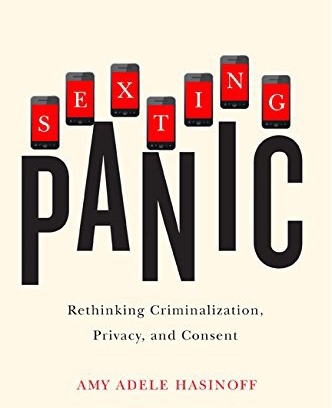
I thought the group did a great job on presenting their book Sexting Panic, Rethinking CriminalizationPrivacyand Consent, I was intrigued and did learn some new things. I thought that the questions at the end of the presentation were very deep and you had to really think about them. The questions definitely left me thinking about what we can do or how we can change this society of sexting. It also showed me how the younger generation doesn’t really think about the consequences that could come of such behavior no matter how many times we warn or try to teach them. Even knowing fully what can happen, we need to find a better way to educate teens about what can happen. There have been laws and policies made by government to try to protect the youth, but there needs to be more monitoring of this behavior as well as sexual predators that can just be posing as someone younger with very awful intentions.

In the Ted Talk, we learn on how social media movements can possibly be weakening the message behind some of these movements. The presenter would go on to tell us on how in Turkey they would censor many things from the public so they would not know what is going on. The Turkish government would show stories about animals, instead of other more pressing issues like protesting. Thankfully, it did result in someone posting things on Twitter and making it viral, which gave people the awareness of what is actually going on. By using the internet the people could show and learn what is really happening, which allows more people to become involved. The presenter goes on to say how Twitter enables people to share and receive information about the world. This I think could be very helpful to a lot of people under restriction, but also dangerous at the same time because of how much fake news there can be on social media these days. For a person who isn’t seeing news, they can believe it is true and it can start an uproar over something that never happened in the first place, so we must be careful about what we see and always think twice. Later in the Ted Talk, she talks on how many people are on social media, but some of these movements haven’t really succeeded, even though it is easier to communicate with others and unite together. Just because there is an easier way to communicate does not mean that people are taking action to make change in the world, because any can say anything online on social media, but we have to do something if we do really want things to change. For social media protesting to work, we need to have a plan for a goal in mind that all want to achieve and with that we can get things done.

News article: Black Lives Matter May Be the Largest Movement in U.S. History

This article talks about the recent Black Lives Matter campaign and on how many people supported it, due to police brutality against African-Americans. I find this extremely relevant to this week’s subject and also to all of our lives right now, we need to continue to protest and promote this movement so there will be change in the US.

https://www.nytimes.com/interactive/2020/07/03/us/george-floyd-protests-crowd-size.html

Make Change Happen

Zeynep Tufekci: Online social change: easy to organize, hard to win | TED  Talk

This week we had to listen to a very empowering Ted Talk about online social change. The talk starts by the women telling us that there was a bombing in Turkey and she tells us that the news reporters wait for the government to tell them what to say. One news reporter was so sick of this treatment that he went to the scene where the bodies were being walked in the coffins and he posted a picture of this on twitter. The picture went viral and then the media had to cover it because of how viral it went. Then a year later in Turkey there was a protest, but the media also tried to cover this up by putting a penguin documentary up. The lady jokes about how she loves penguins and all but that wasn’t the most important news of the day. A person took a picture of the two screens next to each other and that picture also went viral. Spreding the news with our phones and social media has been the way that most people get there information for years, and can you blame them after something like this happens?

Then she says that she watched 4 young college students organize a countrywide citizen journalism network called 140 journos. This network then became the central hub for uncensored news for the country. And then she’s seen 4 young people in Egypt use digital connectivity to organize supplies and logistics for 10 field hospitals. She asked the founder of the one operation when he thought of it and when he started working on it and the time between. The man said 5 minutes. Thats absolutely crazy that he can be that passionate about something to get started on it right away with no hesitation.

She then brought up the very interesting fact that back in the day people didn’t have twitter, instagram, Facebook to spread the word about what was happening and what to protest. So what did they do? Ill tell you, they had to mimeograph 52,000 leaflets by sneaking into a university duplicating room. They stayed up all night working on the civil rights movement leaflets and then they had to distribute all of them by hand! Thats crazy to me. Now a days people just send out a tweet saying this kind of stuff and it goes viral and then that’s how you get the big news. People really had to grind It out bak then.

Then she says that today we go to fast about spreading the news and that we have to go slower and be more tedious about our approach. She says back then, working slowly and collectively made them be able to think together and more collectively as well. I personally think that we really struggle with this kind of thing today. Its always an argument. We should be able to consider everyones opinion but still be united and still think as one. We should be able to make the hard decisions together and create concuss among ourselves.

Check out this weekly news article: https://www.nytimes.com/2020/10/08/sports/football/nfl-postpones-titans-coronavirus-patriots.html

New Wave of Activism

This week we really took a look at how social activism really has taken a turn for the better with the digital age, whether it be racial injustice, gay rights, or anything else that needed to be brought to our attention. With the recent events that have unfolded with the riots and protests, they are brought to you on a platter via twitter where your only option is to look and listen. Everyones feed’s were stuffed with the events that were transpiring and it seemed like for the first time ever the eyes of the nation were truly on the cause. I think this is one of the good features of all of this technology that he’s made it into our every day lives. Back in the 60’s when some of the first protests were happening, they did not have these means of getting all of their information out in a manner like this. Sure there were a lot of news paper articles, or some coverage of it on the nightly news, but the people who wanted to act like nothing was happening, could just switch of their TV’s and go on with their everyday lives.

One of the articles we read was “These 10 Twitter hashtags changed the way we talk about social issues”. Now this article was written in 2016, so some of the hashtags aren’t as relevant to today such as #IndyRef which I never even heard of, probably because I wasn’t using twitter at that point. But thing such as that are not even close to trending now, where as the hashtag black lives matter, on the other hand would be easily the number one trending hashtag on that list if they relate it today. The number on from this list isn’t far though, which was the incident in Ferguson, which made it up to number one trending on this list.

TED: Ideas worth spreading

Another piece we covered this week was the ted talk “Online Social Change: Easy to Organize, hard to win”. This was a very interesting ted talk, which brings up the censorship of media outlets, specifically in other parts of the world. She talks about how great it is that there are outlets like twitter, and instagram, and Facebook, which help get awareness of what is happening to people. Without these technologies a lot of people wouldn’t even be aware of what is going on, but there is a silver lining. She states that with all of these people being aware of what is happening these days, whether it is protests or injustice, why isn’t there more success with these movements? Her theory is that just because it is easier for people to become aware of these problems, does not mean there is a easy and good outcome waiting to be had. I personally think that she is kind of wrong because it would be foolish to not work smarter and work harder. This was done in 2014, so nobody could have seen what was coming, but it has been a huge success with twitter and people raising awareness for the social injustice.

My question to you is, do you think that social media is helping or hurting us when it comes to activism?

Check out this news article about the election:https://www.nytimes.com/live/2020/10/09/us/trump-vs-biden

Sexting Panic & The Power of Protest

Our seventh week of Social Media & Society has introduced us to the protests of 2020, media’s direct influence and involvement in orchestrating activists and Zeynep Tufekci, Online social change: easy to organize, hard to win. These topics and discussions were ingrained into our discussions on Wednesday and sparked real conversations of change.

This week my group and I shared our interpretations of Sexting Panic, Rethinking Criminalization, Privacy, and Consent written by Amy Adele Hasinoff. Sexting Panic illustrates how anxieties about technology and teenagers experience with sexting distract from critical questions of social norms, regarding privacy and security of new media. Ms Hasinoff argued that in order to move forward in our understanding of sexting, we need to see it as an act of media production and not villainies young women as the escape goat. She covered the necessary grounds exceptionally well and brought a complex and difficult topic to light.

Organizations and activist groups throughout 2020 have taken a stance against social injustice and police brutality. Several incidents of police brutality and individual acts of violence against African Americans have been publicly displayed. These killings have received massive publicity and severe backlash against officers of the law. Police brutality has become a hot issue in the United States. The number of homicides committed by police in the United States is often compared to those in countries such as England, where the number is significantly lower. This comparison demonstrates the lack of training in some of our officers and negligence by all. Combined with the Covid-19 pandemic, this year has been a complete an utter mess.

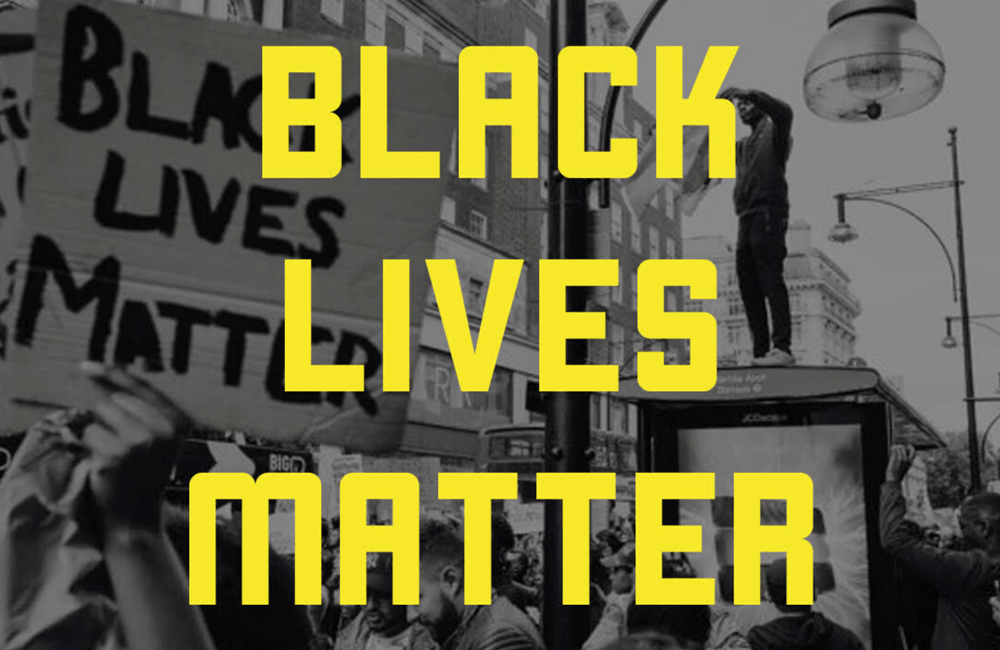
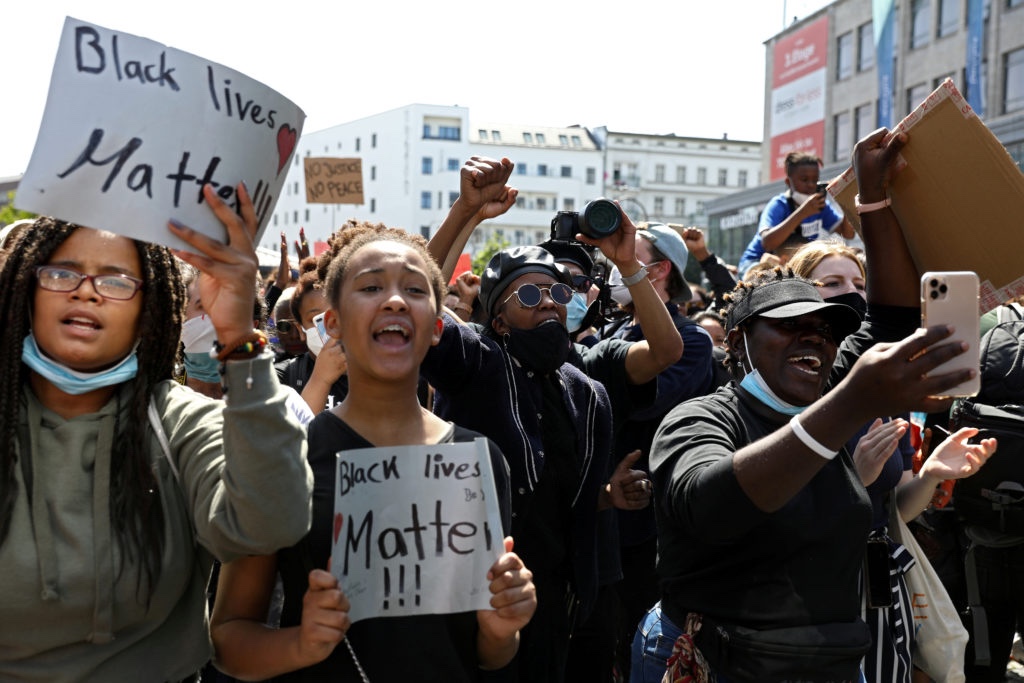
The Black Lives Matter Movement, formed in 2013. There was an outrage against a not guilty verdict of George Zimmerman in the murder of Trayvon Martin. A Facebook post entitled “Black Lives Matter” captured a mood and sparked action. They have been a vocal part of the movement against police brutality in the U.S. by organizing marches and demonstrations in response to the killings of black men and women by police. While Black Lives Matter has become a controversial movement within the U.S., it has brought more attention to the number and frequency of police shootings of civilians. The Black Lives Matter movement has spread across the U.S. and around the globe, with massive protests in the UK, Europe, and Canada. The movement now includes many individuals from diverse backgrounds, who had previously not felt connected to the cause. Black women have also been at the heart of African Americans struggle for freedom. They have often times been painted over, however now is the time they are refusing to allow themselves to be forgotten.

Zeynep Tufekci tackled tough questions regarding our society and the spread of digital connectivity. I found her perspective on the Civil Rights movement of the 1950s and 60s particularly interesting. The movement in Alabama 1955, was directed at the radically segregated bus system. African Americans were boycotting the busses and after the arrest of Rosa Parks, activists used the mimeograph to produce 52,000 leaflets. They then used the 68 African American organization to individual hand out each leaflet. These activists were able to organize a protest without the technological advancements we obtain today. This speaks to their dedication to their cause and true belief in their protest.

Published by: Samuel Erickson

Weekly News Gathering: The New York Times discussed the impact of the Black Lives Matter movement and their influence around the globe.

https://www.nytimes.com/interactive/2020/07/03/us/george-floyd-protests-crowd-size.html

Digital Activism and Social Justice

This year, 2020, has been a roller coaster of a year. In my 23 years of life never have I seen such a crazy year. I think people will be talking about all the many things that happened this year and i’m sure one of the important ones will be about the protest happening during the pandemic. Essentially people were putting their lives at risk from either catching the virus or being involved in violence during protests. They did that because they wanted to fight to make sure people got justice for being racially oppressed. From the protest, we got a lot of information in the form of videos and pictures.

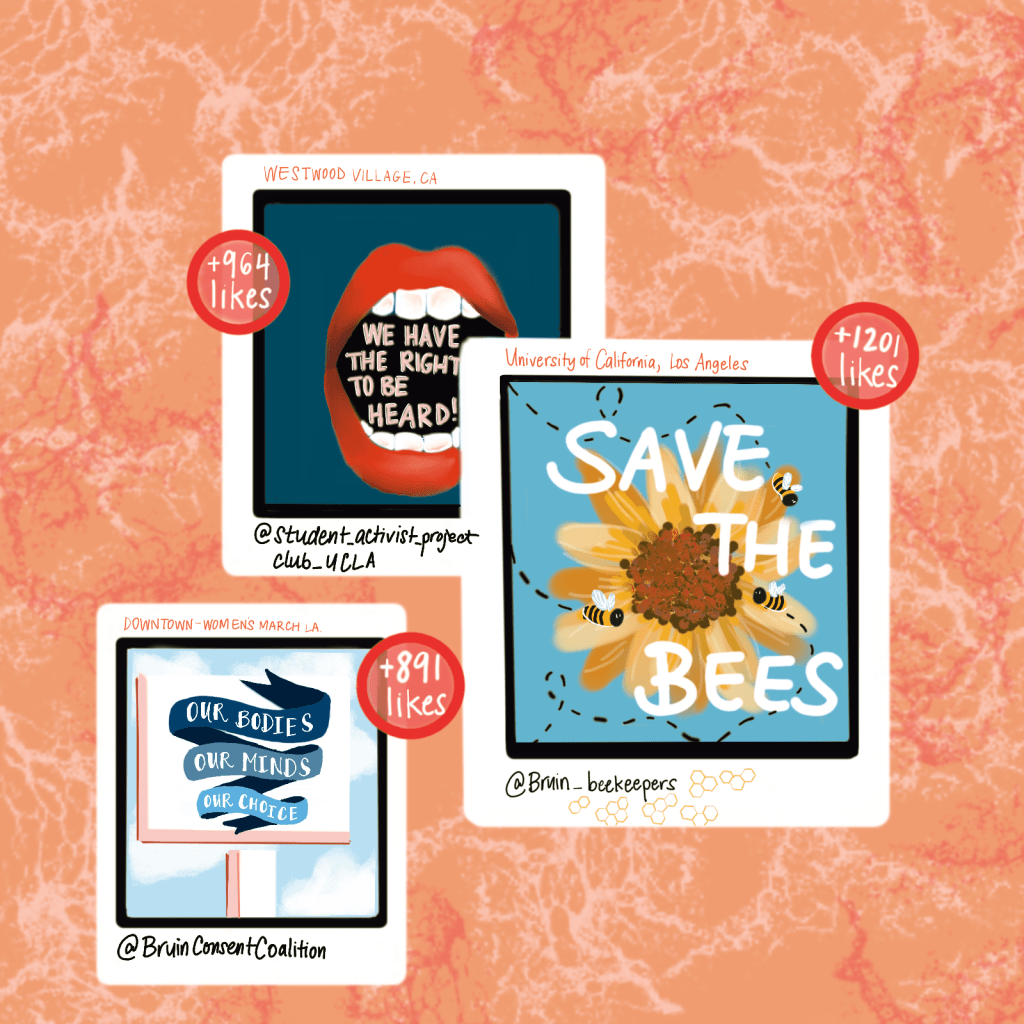
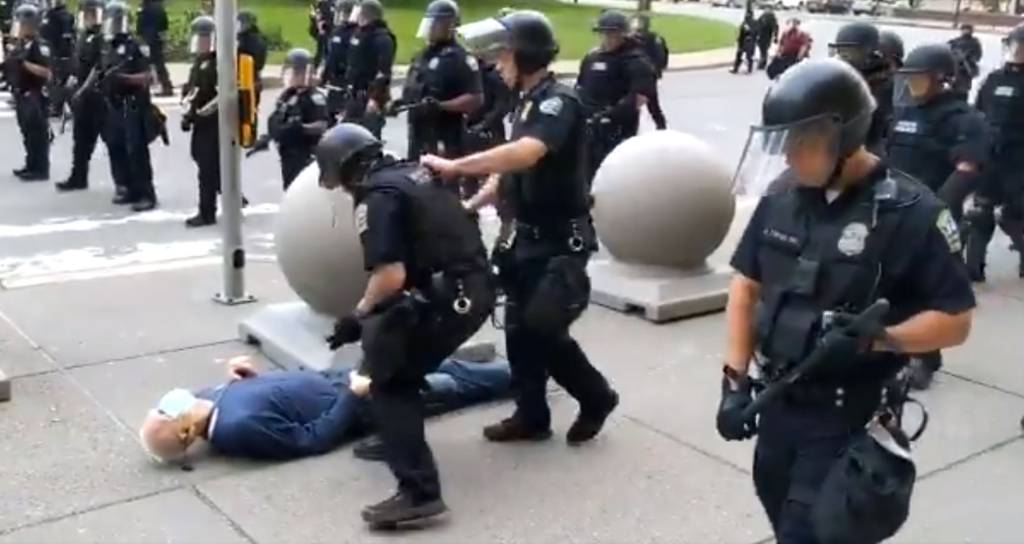
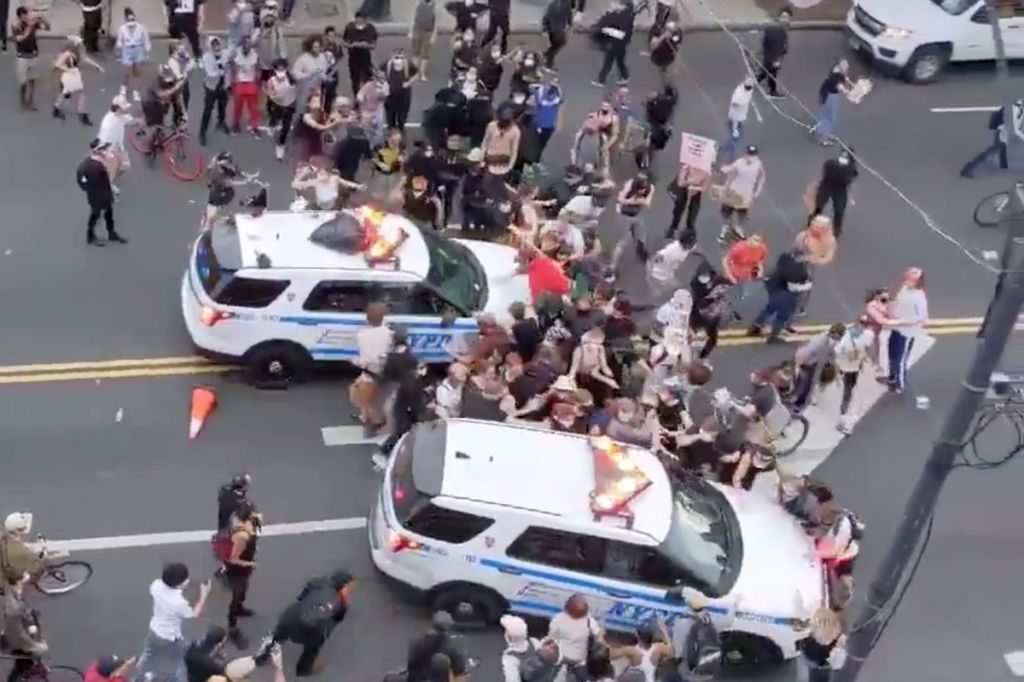
Because of the virus, many people stayed home but could still see a lot of what was happening at the protests. I think in a way we have social media and internet activism to thank for that. If it weren’t for these things we wouldn’t get the perspective of the side that most of us think is right. Sure, we get some footage from the media, but the ones posted by the people often catch more of what’s happening. Often the people at the protest catch everything happening in real time and it allows other people to see what’s happening. I think this was instrumental in the protest over the summer where a lot of footage was put out there which essentially was used as proof of how some of the police were biased and how they treated the situation and protestors. I question if the protestors did not have the ability to capture what’s happening in real time for people to watch, would the news even talk about it. An example that comes to mind is during the summer, two incidents captured by protestors were trending all over twitter, Facebook, and Instagram. One was one a police van driving through protestors, and the other of an older man who got injured when he got shoved by a police officer. 

One thing I also learned during the protest is how instrumental social media and internet platforms are for spreading information. With people having no one to answer about posting or releasing content, it’s so much easier to put things out there for others to see. I would ask myself if this kept going on, would the government or some higher power try to block social media and platforms to stop us from watching or posting things that they might not like us to see. When I read about the Cute Cat Theory, I understood why they couldn’t do that. I think it was smart for protestors to use these platforms not just to get the word out but in a strategic sense if the platform they are on is a also a platform for all sorts of interest then the higher power would not be able to block websites or apps because those who initially were not involved will be involved, and with a huge upset crowd, it just doesn’t seem worth it. 

I think living in this moment when social justice is being demanded and the people are willing to protest is very important to seeing how things are really like. Perhaps people will be “woke” and hopefully someday we will see progress and justice. I believe digital activists have definitely made more people aware even if they don’t know it. What contributions do you think Digital activism has contributed to social justice?


Credible News of the week:

https://www.nbcnews.com/news/us-news/summer-digital-protest-how-2020-became-summer-activism-both-online-n1241001

The Future of Digital Activism

The way in which we seek social justice has changed.  Digital activism is the new protest, even though people still take to the streets and protest.  Some argue that technology is weakening social movements.  It is much easier to throw up a hashtag on Twitter than it is to organize a peaceful protest.  Digital movements offer greater scale, but this won’t matter if there is no motivation or momentum.  Easier to mobilize does not always mean easier to organize.  In the TED talk, Online Social Change:  easy to organize, hard to win, Zeynep Tufekci talks about how movements like Occupy Wall Street in 2000-2014 couldn’t measure quantifiable change and weren’t proportional to the energy they inspired.  Today’s protests seem to not embrace the benefits of working together through differences. 

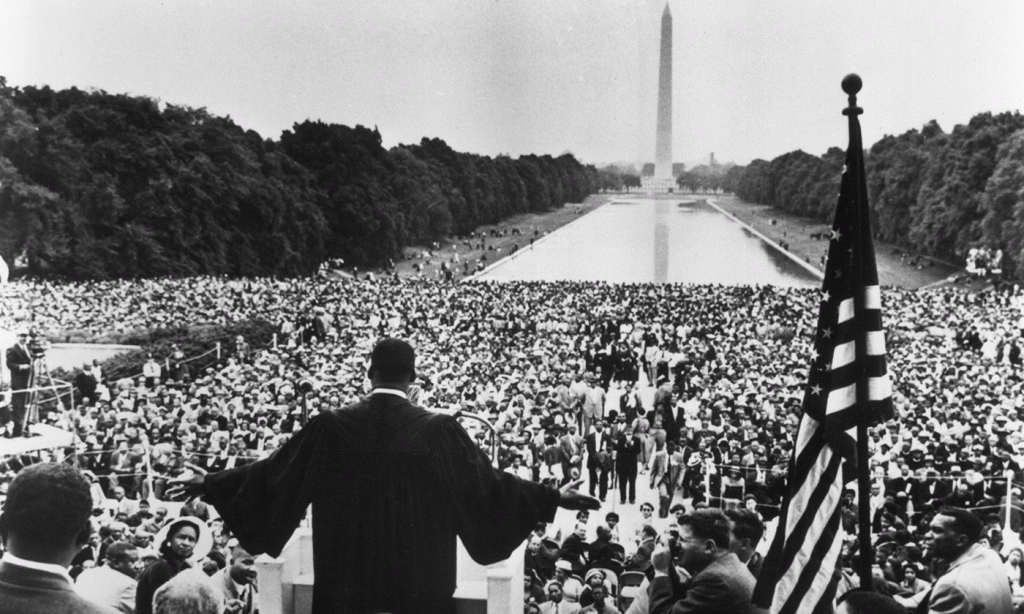
1963 March on Washington.

Digital campaigns are compared to startups that got too big too fast and doesn’t know how to grow or think collectively.  For MLK’s famous march/speech in order to spread awareness and gather momentum, a mimeograph was used to create leaflets that organizers snuck into a University to use.  There were logistics involved such as carpooling, meeting on several occasions, and organizing peaceful protests, conversations that were had over a period of time.  Tufekci argues that you lose something when we take away the process.  This process she argues forms the ability to think together; to think collectively to accomplish a goal.  Part of the thought process and execution of the goals helped the movements to gain momentum.  It is much easier to post a snippet and end it with a hashtag, but by doing this are we doing the movement a disservice.  Are we actually discrediting the movement?  We may be losing it before even gaining traction.  Now, people are getting used to seeing hashtags but they could be losing their significance.    

The infamous hashtag.

Digital movements offer greater scale, but this won’t matter if there is no motivation.  In the reading, Digital Culture Shift Report, the Movement Strategy Center suggest five movement pivots. Each hold a broad awareness that grounds approaches to the Internet in a clear analysis of power.  They propose an approach to the Internet with a digital justice lens, helping groups whom are frequently excluded have more access.

Hold broad awareness that grounds approaches to the Internet in a clear analysis of power. The conventional framing of the “digital divide” presumes that more access to technology will address social inequities, but the everyday lives of poor and working people are not lacking in technology. In fact, their lives are technology-rich. However, much of
the technology is used to track or make decisions about them. Some people may view
technology as an infraction on their privacy. Big data can reproduce existing discriminations.

Lead with a bold vision for our digital future.  Reimaging the meaning and role of civic, political, and organizational tech.  For example, crowdsourcing, democratic participation, Voter Activation Network, and grassroots-led campaign platforms)

Shift focus and funding to elevate new voices and necessary partnerships between those at the margins and those in the mainstream.  This talks about the need to build power being the goal of social movements and the best way to build power is through relationships.  They suggest reorienting our approach to include the interests of marginalized communities thereby creating a fight that both marginalized and privileged communities can participate in resulting in enough power to win structural changes that guarantee equity.

Align and advance a movement-wide and multi-level strategy. Field leaders joined by foundations recognize the need for a more integrated approach.  Together they ask questions like, how do we balance security and privacy?  How will we connect the entire world’s populations? How will we archive all information and make this knowledge accessible?  And How can technology make democracies more participatory and responsive?

Trust and innovate to transform inequality.  According to the reading, both require risks and relationships for new voices and visions emerging from this digital culture shift.

Network sociologist, Manuel Castells describes how “being able to make and maintain and negotiate networks gives people power.”  Technology disrupts networks and may offer opportunities for less privileged people to obtain control, but the privileged have often already regained control of those networks.”

Question: Have you participated in digital movements? What did you find rewarding? What did you find to be challenging?

Works Cited:

Ten Twitter Hashtags that changed the way we talk about Social Issues

https://www.washingtonpost.com/news/the-switch/wp/2016/03/21/these-are-the-10-most-influential-hashtags-in-honor-of-twitters-birthday/

The Digital Cultural Shift:  From Scale to Power

Weekly News Article:

Digital Activism: The Power of One Digital Click

This week turns the discussion towards a new topic of interest i.e. Digital Activism and Social Justice. The material provided was quite interesting and I really enjoyed while listening the Ted Talks. I am going to share with you all what I have found interesting and some key points to think on.

Starting from the Digital Activism and Ted Talks, I have found the Ted Talk, “Digital Activism: using technology to Empower Change” by Darrick Morrison quite interesting because Derick talks about the most empowered generation and the idea of leveraging traditionally inspirational events to create the infrastructure to change. He added that machine learning accelerates the discovery, crowd-funding allows people to pursue their passions easier than they were before and social media is giving us the opportunity to share our ideas openly.

The technology and most importantly the internet use have given us all the power to gather the information about anything just by clicking. After listening to him, I feel like the member of the most empowered generations of all. Like we the people of 21st century are having powers in the form of technology and we can bring the changes worldwide by these magical powers.

What do you say about it? Do you feel like you have powers to bring a change? As for example, a single petition you sign can bring a change worldwide?

The three of the articles all give the idea of what Digital Activism is and how this power of the internet is ruling the world now a days. The article: “The Cute Cat Theory of Digital Activism”, have given us the idea of what people have in their hands and how well they are using the technology. The author named Zuckerman stated in the article that “Web 1.0 was invented to allow physicists to share research papers. Web 2.0 was created to allow people to share pictures of cute cats.” If a tool passes “cute cat” purposes, and is widely used for low-value purposes, it can be and likely is used for online activism, too.” And I totally agree with the author here, if people use the internet for their pleasures then there is need to understand that what this technology is capable to do and what do you have in your hand and you are not utilizing it in a proper manner.

What are your opinions on it?

The second article: “The Digital Cultural Shift: From Scale to Power”, the author stated that digital strategies and platforms provide a voice to the innocents when mainstream media ignores the issue at all. We have seen many of the leaders who use the social media in order to run their campaigns, they use digital platforms to catalyze actions. The last article: “10 twitter Hashtag that changed the way we talk about social issues”, listen down the hashtags list which really bring the change to the world.

After reading all of this information, I felt like what we have in the form of technology is like a blessing, if and only if this blessing is being used for right and just purposes. This Digital Activism not only bring the social justice but is a source to bring forward the voice of the innocents who struggle hard in order to get justice and still gets nothing.

The article I am sharing for this week’s news post is about environmental activism goes digital in lockdown.

https://phys.org/news/2020-05-environmental-digital-lockdownbut-movement-good.html

The Cute Cat Theory of Digital Activism

The cute cat theory of digital activism is a theory concerning Internet activism, Web censorship, and “cute cats” (a term used for any low-value, but popular online activity) developed by Ethan Zuckerman in 2008. It suggests that most people are not interested in activism; instead, they want to use the web for ordinary activities, including surfing for pornography and lolcats (“cute cats”). The tools that they develop for that (such as Facebook, Flickr, Blogger, Twitter, and similar platforms) are very useful to social movement activists, who may have deficient sources to advance devoted tools themselves. This, in turn, makes the activists more immune to revenge by governments than if they were using a dedicated activism platform because shutting down a popular public platform incites a larger public outcry than shutting down an obscure one.

http://www.ethanzuckerman.com/blog/2008/03/08/the-cute-cat-theory-talk-at-etech/

One extension of the cute cat theory, as we’ve learned, is that when a government shuts down a popular platform, it has to make room for another one to fill the void and temper the anger.

The initial visions of an open, interconnected internet now are being challenged: as countries begin to more regularly ban and/or consider banning platforms with origins in other countries, our internet is steadily becoming defined by geopolitical boundaries and alliances. That doesn’t just mean platform blocks (remember, blocks alone end up anger more people) but entirely new and different visions of what the internet can and should look like.

The Digital Culture Shifts: From Scale to Power:

Like never before, social developments in the advanced age are utilizing innovation to accomplish more prominent scope and effect. Be that as it may, is the Internet building power for social change? Or then again keeping up business as usual? The American public keeps on being immersed with incorrect depictions in news and amusement media1 that distort networks of shading and America’s poor. 

To an ever-increasing extent, however, individuals are deciding to avoid these conventional traditional press guards by utilizing the Internet. However, unfair practices in Internet substance, cost, and application by partnerships and governments strengthen racial and monetary progressive systems and keep on propagating inconsistencies, with now and again lethal outcomes. Seat Internet Project’s examination finds that 87 percent of U.S. grown-ups utilize the Internet. 

https://sloanreview.mit.edu/article/building-digital-ready-culture-in-traditional-organizations/

As indicated by the Pew study: Who’s Not Online and Why there is a whole other world to this number. While 95 percent of upper-pay households5 utilize the Internet, 37 percent of lower salary family units don’t. Nor do 48 percent of those without a secondary school recognition. Significant discoveries include: 

  1. 100% of those met said that advanced methodologies and stages give a voice when established press overlooks issues. 
  2. The lion’s share broadly utilizes advanced stages to catalyze activity, however, state overreliance on these devices can restrict relationship building. 
  3. The Internet is changing the importance of enrollment and compelling social change pioneers to reexamine the types of association. Over 80% of respondents showed that the Internet was assisting with moving public associations from brought together to de-incorporated, from topographically explicit to geologically differing, and from progressive authority to staggered administration.

References

Tom Steinberg (2008), “The Cute Cat Theory is a challenge worth of contemplation”

Available at: https://www.mysociety.org/2008/08/20/the-cute-cat-theory-is-a-challenge-worth-of-contemplation/

[Accessed at: 9 October]

James Rucker (2005), “The Digital Culture Shifts: From Scale to Power”

Available at: https://mediajustice.org/wp-content/uploads/2015/08/digital_culture_shift_report.pdf

[Accessed at: 9 October]

News
http://campbelltonregionalchamber.com/temporary-news-post-2/

I found some news about prsdent Trump is getting increasingly desperate, sparking new fears for his health:

https://edition.cnn.com/2020/10/09/politics/donald-trump-health-coronavirus-election-2020/index.html