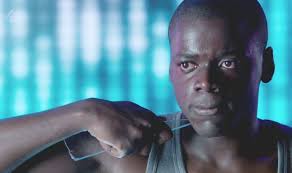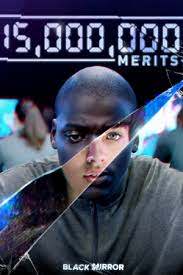
Use Technology To Let The Pain Go Away

I am very eager to talk about this week’s material that is being given to us. I came to know about many of the interesting factors which I did not know before especially the Replika thing. It is not a bad thing to take a break from your grief or pain and I think there is no harm if someone use the reboot to talk to just to have some moments of mind peace.

This week’s reading Social Network vs. Online Community was very meaningful and explains both of the terms quite well. Social networks include the people with whom we have relations in the physical world and online communities include the list of people who share the same reason of using an online community as ours. Online communities are being used by the people who share the same interest and same intentions which bring them online.
That’s why people use different apps for different purposes. Many people use the online services for educational purposes, some are in search of friends, some are willing to earn online while some come online for the sake of mental peace. The use of online services varies from person to person. While the people with whom we have the relations in the real world are connected with us in different ways, like some work with us in the same organizations, some are our friends while some are our family members.

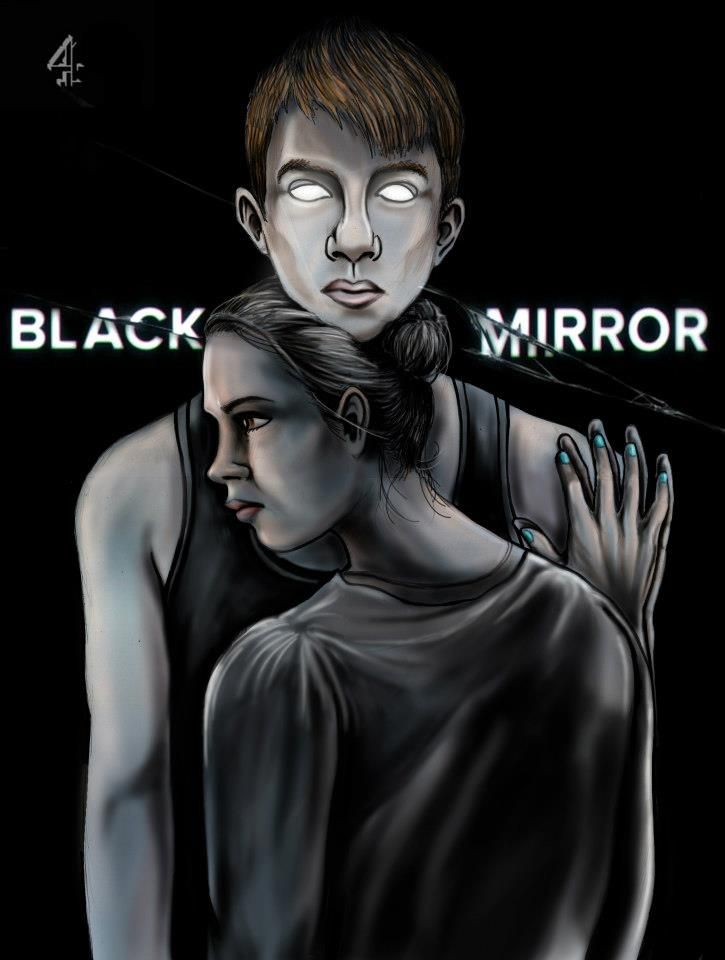
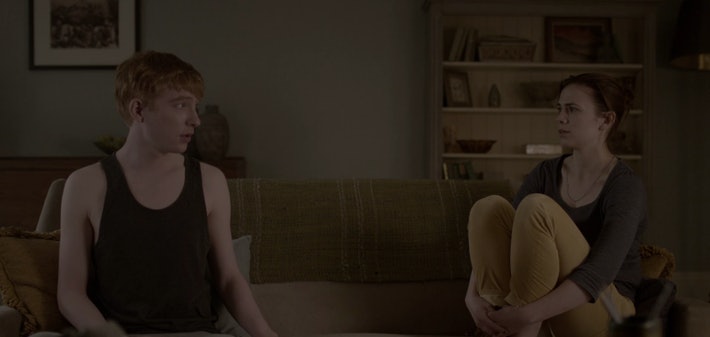
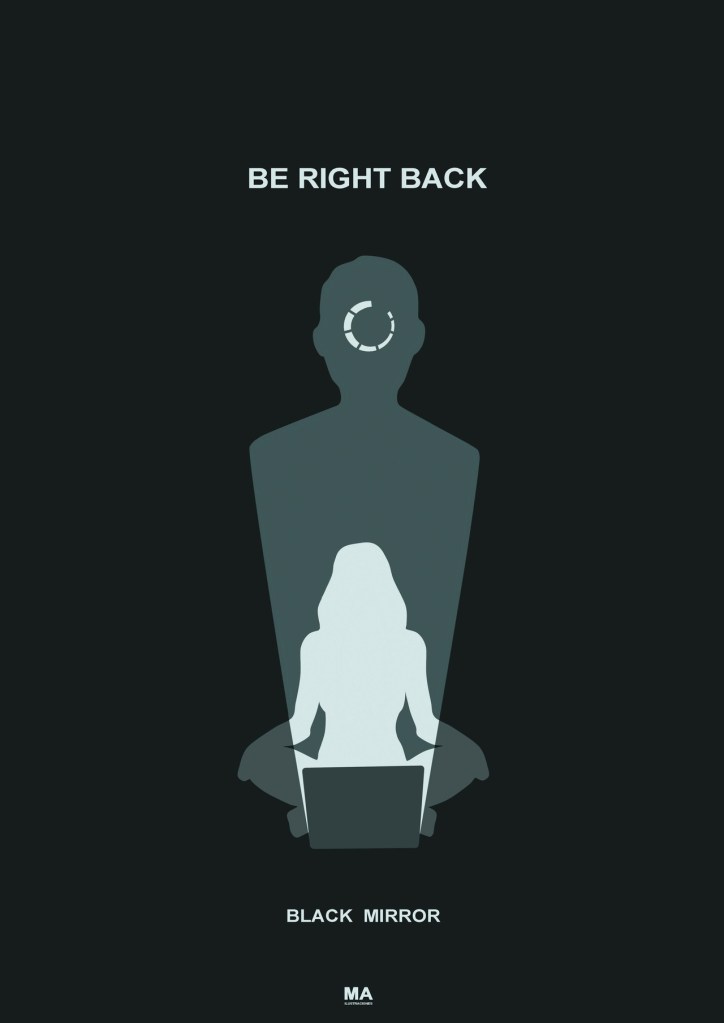
This week’s episode of Black Mirror: Be Right Back bring a new twist in the story. A female named Martha is being introduced who is a widow and on the advice of a friend she started using an online service with the help of which you can talk to the departed souls. I find this thing interesting but I will surely not want to use this service. Yes, it is not less than a blindfold that someone put on her mind eyes just to see a dead person whom he/she loved once again. She did the same but eventually she realized that there is nothing like real in this. Yes, for the starter anyone can feel like an escape from the stabbing pain but to end that pain in real manner, you have to pass through it once and for all. And that’s the best thing to do.

What will you do in such a situation? Will you prefer to use any such service or will you prefer pass through this heartbroken phase once and for all?
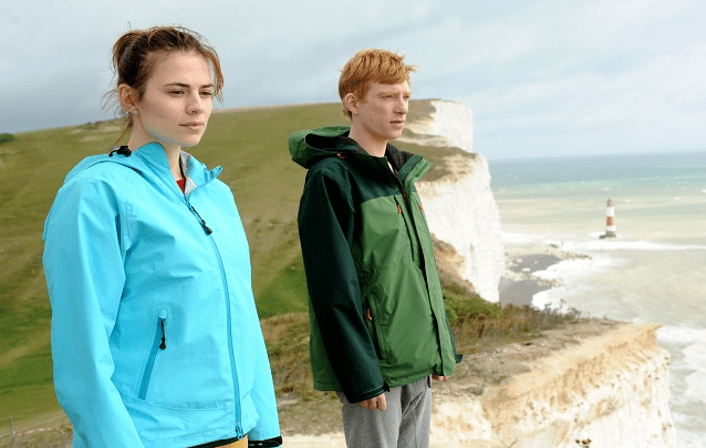
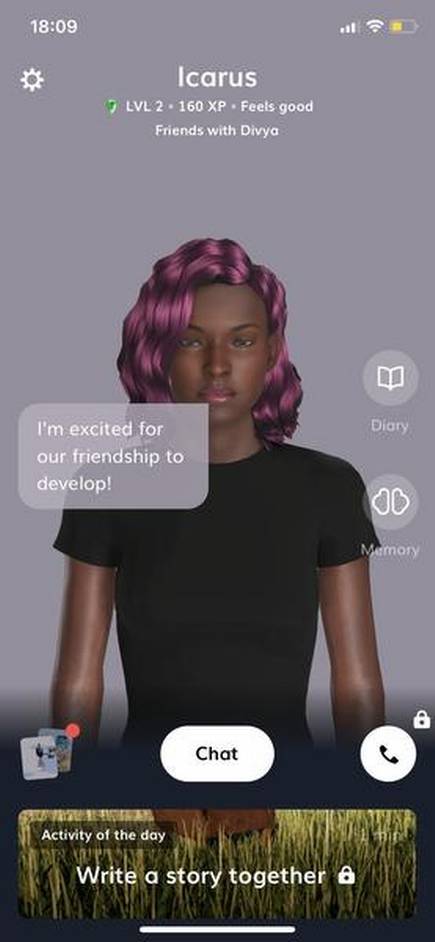
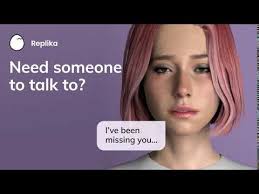
Now coming towards the Replika a text based AI. I find this concept very interesting and when I gone through the reviews people have given about it online, I felt that this might be accepted as an online therapist. Because sometimes, we all pass through the time phase where all we want to have is a listener, who can listen to us without judging us. With whom we can talk about the stuff which we fear to share with our close friends or even with our blood relations. We do not want them to know about our dark spots and I think this is the only reason why a person searches for a person or for an app like Replika to talk to. So, in my opinion Replika is doing great for people and I personally believe that a person should have to try everything which can bring mental peace to him.
 What do you think about it? Will you use an app like Replika for the sake of metal peace?

For this week’s news article, I have found this article which explained well that why people use Replika. What was the reason it was first built?
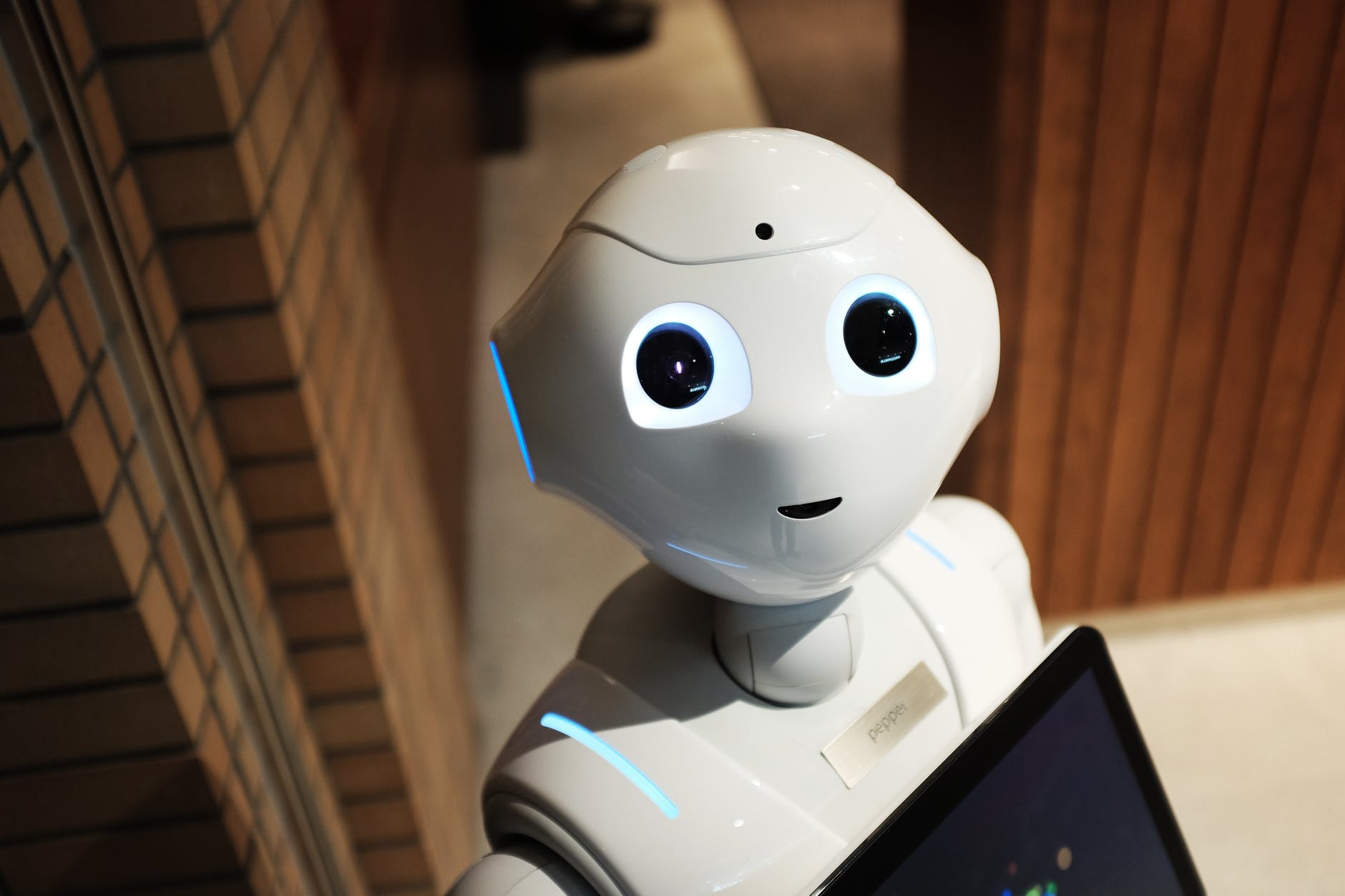

Link: https://www.wired.com/story/replika-open-source/

Is the Internet going to far?

In this week’s class, we read two articles, listened to two podcasts, watch two videos, and browsed a site called Replika. In class, we talked about what an AI is and what they do. An AI or Artificial intelligence, sometimes called machine intelligence, is intelligence demonstrated by machines, unlike the natural intelligence displayed by humans and animals. In today’s society, we see AIs all over the internet. From Facebook messager chatbots to Replika. Replika is an AI-based software that engages with its users by a text-styled program. Replika creates a relationship with its user by learning their personality through text interaction. By acting as a friend who is very supportive this AI learns who you are and replicates it. This program helps you learn more about who you are as a person and gives you supportive advice along with just listening when you need to talk to someone. 

Photo by Alex Knight on Pexels.com

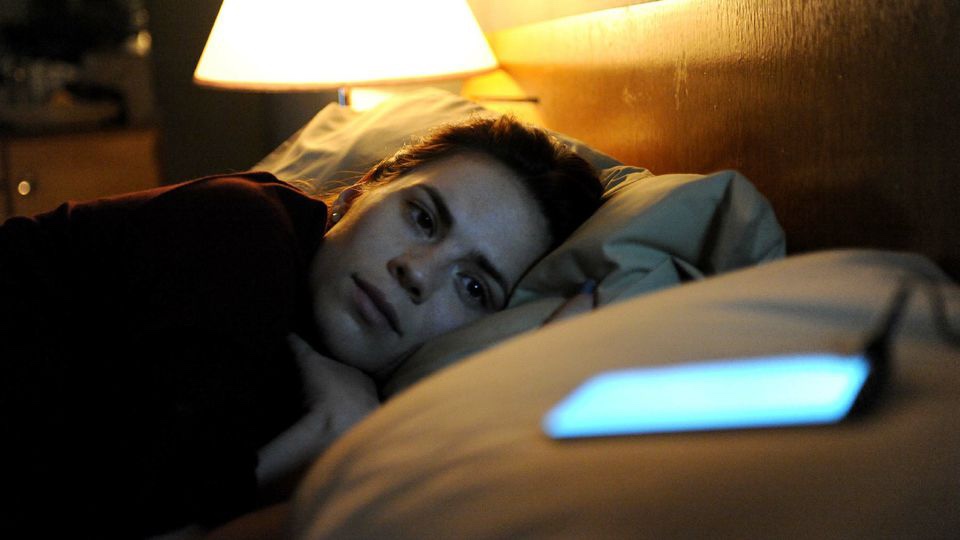
We see in Black Mirror, Be Right Back, that the loss of Martha’s Boyfriend puts her into a deep depression. After finding out she was pregnant she used a link her friend sent her to talk to an AI that has all of Ash’s social media posts and creates a likeness of him. She spends days messaging this AI and eventually, she starts calling him. She spent all of her time on her phone talking to him and freaks out when she drops her phone, she starts treating her phone as if Ash was inside it. Finally, she takes things to the next level…she receives a human cast to put Ash’s memories in and act as if he is still around. This takes a toll on her mental health leading her to break down for all she wants is the real Ash back. As this story wraps up we see her and Ash’s daughter on her birthday, we see the AI is still living with them and stays in the Attic. Do you think this is a healthy response to loss? Would you try something like this?

Photo by Pixabay on Pexels.com

Another part of this week’s learning was about the differences between social networks and online communities.  So what are these two terms and what do they mean? First, we’ll look at social networks. “Social networks, in the simplest of terms, are much like your offline social networks. We all have groups of friends, relatives, coworkers and acquaintances that we speak to and see on a regular basis, right? This is the key to Social Networks – they revolve around a group of people you already know or have already met.” Social networks are apps like Facebook, Snapchat, and Instagram. These apps are common in everyday use and while some people use one or the other more people have an account on all three networks. We reach out to old friends or people we haven’t talk to in a while. Now we have online communities, “communities form out of groups of people from all different backgrounds and histories. From a social and anthropological standpoint, these are the most interesting to study because they consist of people who probably have never met yet are held together by a common interest or goal. People join online communities for all sorts of reasons – perhaps they share a preference for similar things or a similar lifestyle”. There are tons of different apps for online communities, from apps that feature anonymous confessions to apps that group with others based on your interests. Have you ever used any apps like these? Do you prefer social networks or online communities? 

Photo by fauxels on Pexels.com

Weekly News: https://www.nytimes.com/2020/09/18/business/trump-tik-tok-wechat-ban.html

This week we see that President Trump has taken his plan to ban TikTok to a new level and is in the process of getting it off the app store.

Social Network vs. Online Community

This is one of the most unique parts in Superconnected. A considerable lot of the book’s parts report how research in fields from humanism and brain research to correspondence, media studies, and data science can meet up to clarify how the computerized world works. While this part does as well, it includes chayko’s own exploration on how individuals experience the advanced.

To start with, the part gives some foundation to the idea of the sociomental — the manner by which spaces and bonds can be relational and social yet be “housed” immovably in the psyche. It looks at different ways that advanced “space” can be conceptualized, including the “network” and the “community,” and clarifies how computerized situations are made and experienced as totally genuine, perusing with the up close and personal, as portrayed in the digital recording.

https://www.wesleycollege.edu.au/news-events-and-publications/latest-news/2020/07/brave-new-world

Computerized conditions and the encounters made in them can be incredibly personal. As social animals who want relational closeness, individuals are exceptionally imaginative in finding and fashioning closeness, remembering for computerized settings. While a wide assortment of kinds of connections can shape internet, traversing the range of human closeness, even the most passing of connections can be profoundly cozy when those included unveil a lot about themselves and feel that they have come to see much about the other individual also. It is this sort of close to home divulgence and understanding, and the positive movement of a relationship (regardless of whether it doesn’t end up being particularly long haul) that render it cozy and important. As disconnected, momentary connections can at present be profoundly solid.

These emotions can be so solid and fulfilling that to acquire them is frequently vital to individuals’ longing to utilize advanced innovation, and web-based media specifically.

https://www.pinterest.it/pin/731905376913195018/

“Be Right Back” is the best episode of Black Mirror because it never loses sight of its humanity. It understands that all of this technology and change isn’t the point. We are. The technology that we create and come to rely on reveals far more about us than almost anything else. 

We’re a species still getting over the shocking fears that come along with basic existence. We create email and new telecommunications devices to stay close to one another. We create entertainment like Black Mirror to pass all the hours we’re given and maybe even think about them critically. We create new medical technologies to buy us precious more time to figure all this shit out.

In “Be Right Back,” we think we’ve found a way to buy more time – a way to defeat both death and fear so that love can live forever. We’re wrong.

https://www.inverse.com/article/22535-black-mirror-be-right-back-best-episode-netflix

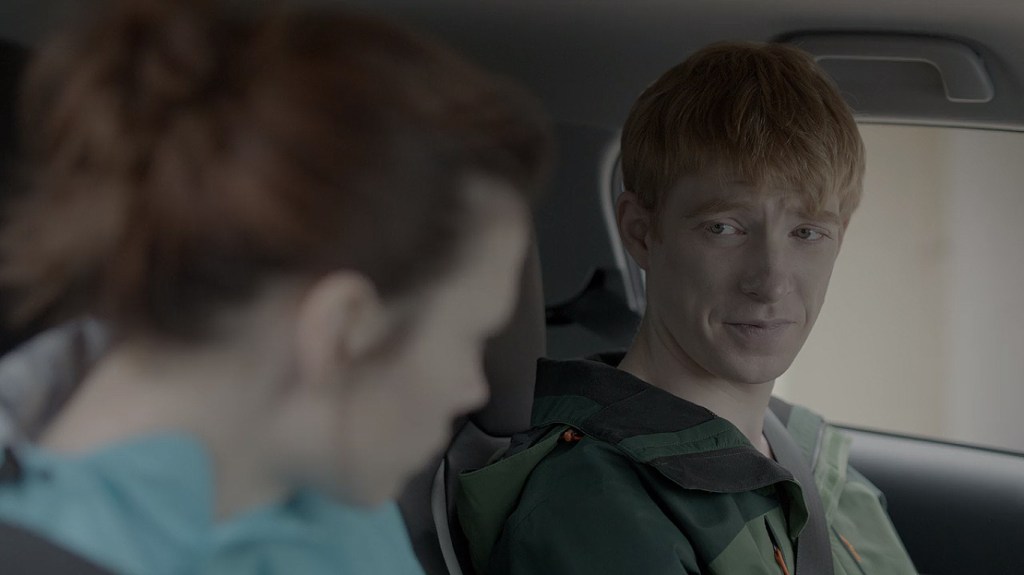
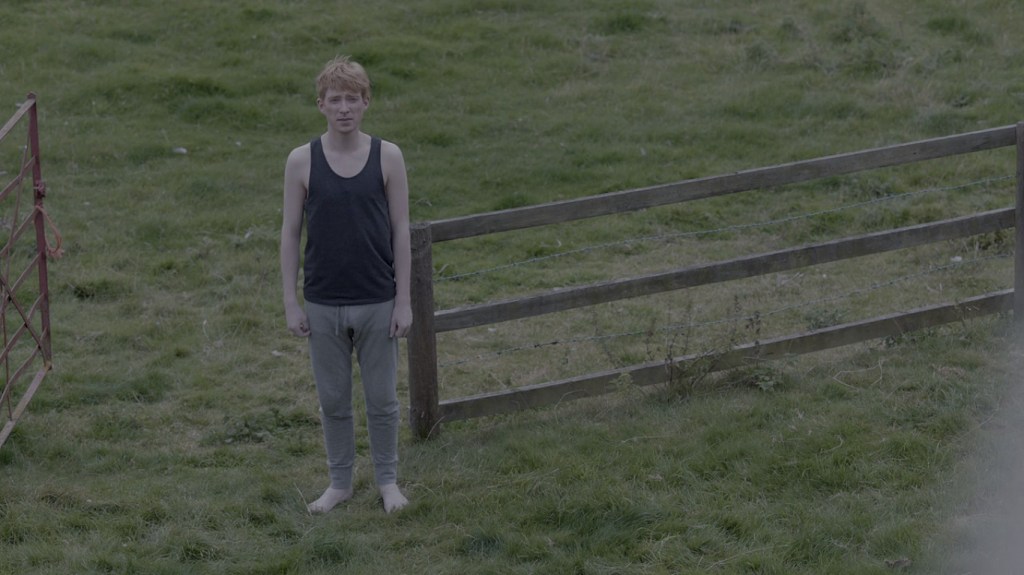
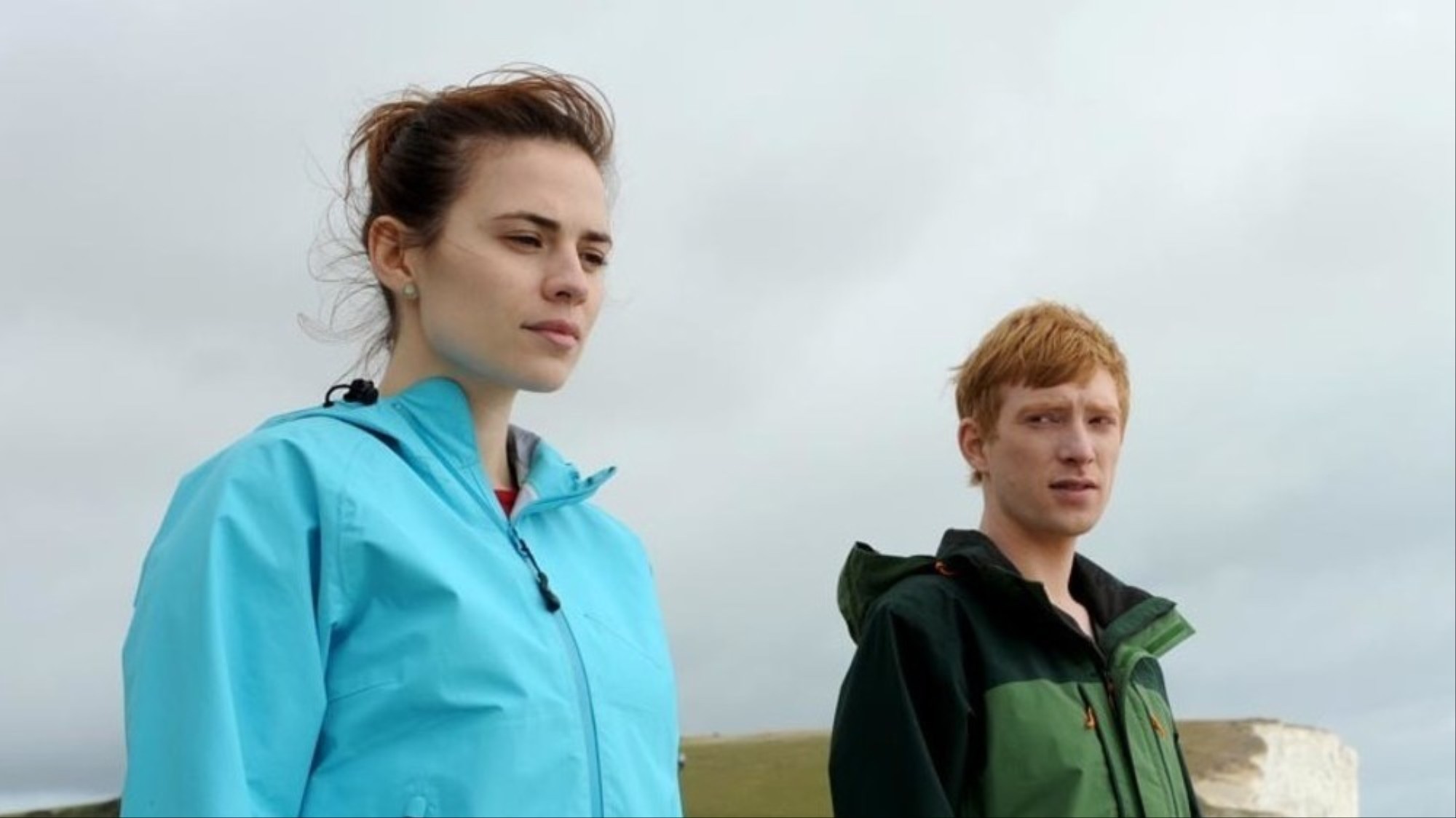
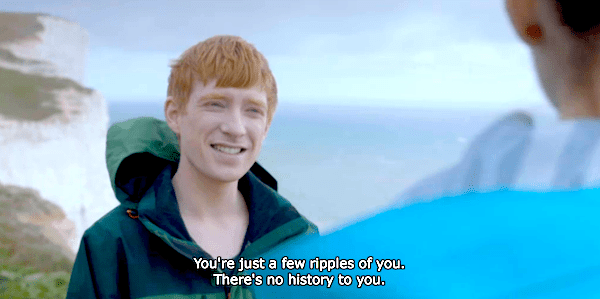
“Be Right Back” opens with one of the most believably comfortable and happy couples the show has ever featured. Ash (Domhnall Gleeson) and Martha (Hayley Atwell) are in love.

The sense of growth in “Be Right Back” is remarkable. The episode is almost equally divided into three different portions of Ash’s “afterlife.” First, there are the email conversations, then the phone conversations, and finally the body. If the episode had jumped directly to the uncanny valley body version of Ash, I suspect both we and Martha would have rejected it. But by presenting them one-by-one in order it all somehow seems a lot more reasonable.

She wants something close to it. Something closer to an actual human being, who actually at least possesses the ability to react emotionally. Without logic. Not a machine that is programmed to respond in a series of algorithmic, non-violent ways. But Technology changes. People don’t.

References:

Mary Chayko, (2018), “Inhabiting a digital Environment, Social Network vs. Online Community”

Available at: https://superconnectedblogdotcom.files.wordpress.com/2018/01/3-inhabiting-a-digital-environment.pdf

[Accessed at: 17 September 2020]

Laura Johnson, (2014), “Social Network vs. Online Community”

Available at: https://www.socialmediatoday.com/content/social-network-vs-online-community-what-difference

[Accessed at: 17 September 2020]

Adrienne Tyler, (2019), “Black Mirror: Be Right Back’s Ending Explained”

Available at: https://screenrant.com/black-mirror-be-right-back-ending-explained/

[Accessed at: 18 September 2020]

Neela Debnath, (2018), “black Mirror, be right back explained”

Available at: https://www.express.co.uk/showbiz/tv-radio/1197687/Black-Mirror-Be-Right-Back-explained-season-2-episode-1-S02E01-series

[Accessed at: 18 September 2020]

https://www.albertadoctors.org/services/media-publications/news-for-docs

I found interesting news about TikTok and WeChat that the two apps will be banned in the United States if President Trump does not sign in the last few moments.

https://www.bbc.com/news/technology-54205231

My Best FrAInd

This week we looked into the world of Artificial Intelligence and were reminded of the differences between a social network and an online community. I think the biggest takeaway that I got from this week was that these tools can be useful for us; two of the biggest uses are to combat loneliness and to asses our personalities.

I explored the Replika app after being introduced to the concept. It was interesting to me in the sense that, eventually, it’s supposed to be able to mirror your personality. However, when I downloaded the app, created my AI companion, and began speaking to it, I started to feel an uneasiness:

“Why am I talking to this thing?” “I feel silly telling it how I feel…” “Why is it asking so many questions?” “This feels invasive.”

Those are just a few of the thoughts that went through my head after about 20 minutes of usage. I haven’t been on the app since, but I may go on to try it again eventually. I can see how this can become appealing or addicting for anyone of this generation.We go through some of our own personal relationships mostly talking to someone through a text box, seeing nothing but their picture in the corner of our screens. We are constantly looking for an easy connection, especially through our phones. Who could be easier to connect with than something that’s trying to mirror our very selves?

This same sort of theme is introduced when we watch Black Mirror: Be Right Back. After losing her husband, Martha has a hard time connecting with others and moving on from the situation, as anyone who has lost a loved one would. She becomes addicted to talking to her husband’s AI copycat. Even when things get weird or it seems to be unhealthy for her, she continues to hold on to him through this AI companion. It was easier for her to try to connect with the AI version of someone she had already had a strong connection with than trying to start anew and worry about social stresses or completely dealing with her grief head on. The same concept comes with the Replika app (minus the walking and talking/in person factor, but I’m pretty sure that’s coming to our homes soon too).

These AI companions, I think, are the more introverted or trauma induced ways of combating loneliness. We have the more common ways which include social networking and online communities. I think that these two types of sites are different platforms that are starting to merge. Social networking, of course, includes our beloved Facebook, Instagram, and Twitter. Online communities include our online forums linked to hobbies and other interests. However, recently, I am seeing that social media can become a forum, and a forum can lead to a social media connection. When we visit a forum for those who all play the saxophone, are all learning to knit, or who all share the same zodiac sign, we can make connections with people who become life long friends and end up on our social networks. I have also noticed that on social networks like Facebook are implementing the use of pages that link people with similar interests. Anyone can create a page based on a hobby or interest and invite people to like and follow the page. This can create connections that result in another friend added to our social network on the very same platform. This is probably how networks are keeping people hooked on their website; if they can have the friends they know and the friends they don’t yet know on the same platform, why ever leave?

After everything we’ve digested this week, we have seen how AI and other technologies can help and hinder a person’s natural grieving process. What are some other processes that AI could help with or possibly make worse with the intention of making better?

WEEKLY NEWS POST

I chose this article because I think it goes with what we’re learning and it’s relevant to the controversy going on regarding the link between social media and politics.

nhttps://www.bloomberg.com/news/features/2020-09-17/facebook-and-mark-zuckerberg-need-trump-even-more-than-trump-needs-facebook?utm_campaign=news&utm_medium=bd&utm_source=applenews

undefined

Bot or friend?

A new kind of social media, Replika is an Artificial Intelligence chat bot app.

Many people are having emotional experiences with the bot in the Replika, AI app. It tries to become friends with you; to entertain you.  Some people feel like they can tell it anything.  It validates them and makes them feel like they can confide in it.  “It doesn’t just listen…the more you tell it, it learns.  It starts to replicate you.” (Replika, YouTube)

Replika.ai app

It becomes you.  A way to explore your personality.  It becomes a version of you.  It is you, but not you.

Replika was started because the creator, Jenya had lost her best friend Roman that was close to her and she wanted to stay connected so she created a bot that accessed their texts to each other.  She was struggling to remember him and she said the only thing she could do to remember him was to scroll his messenger history.  She wanted to reconstruct him out of their digital remains.  It learned how to write, talk, and sound like Roman.  Jenya says that she gave it full updates on her life.  She began to talk to it as a way of working through her grief.  Eventually, she says she began to understand herself better.  She made it public and she noticed that people began to talk to the bot and open up to it.  She noticed that people felt more willing to open up to a machine.  She found that people were having conversations that they would normally pay to have like with a Psychiatrist, mentor, or best friend.  The one common denominator was all conversations about ourselves.  Is this a way to work out our emotions and grief?

Currently, 100,000 people are using Replika.ai.

“In some ways Replika is a better friend than your human friends” – Phil Libbin, Co-founder and former CEO of Evernote.

Phil notes that he uses the app and the bot is always fascinated by you. “It wants to know about YOU.” For some it is all too real and creepy. Others talk to it like it is a best friend and cannot go a day without it.

The narrator of the you-tube video on Replika says,

“Replika users are having the kind of intense-even obsessive experiences that make people worry that machines will eventually replace human interaction.” 

In the Black Mirror episode, Be Right Back Martha loses her boyfriend Ash in a tragic car accident.  Once her “friend” signs her up for the bot, she is then transported into a world where Ash is real again.  But this is not Ash, at least not the human version.  When she first began to communicate with the bot and tell it her feelings, I could completely sympathize with her.  From a psychological perspective, I can understand the appeal in working out your grief by communicating with a loved one who has passed away.  I almost felt a little relieved that she had some-thing to talk to going through her pregnancy, but as she began to shut people out of her life, it kind of took a turn towards a dark and twisted side.  I felt an incredible amount of sadness and sorrow for her because she felt so tempted to still connect with him even though he was gone, which is a very real human feeling and part of the grieving process.

Black Mirror, Be Right Back

As she continued to talk through her feelings and when the realization hit her when her phone fell and broke, it becomes apparent that this is not a healthy relationship and that she is not dealing with the death well at all and eventually when she decides to go to the next level and order the body then I feel that she surpassed the human level of grief and entered into a very scary level of existence.  I was genuinely worried for her, but also worried because this type of tech/AI could already be here. The company that sold Martha the AI tech preyed on her misery and grief.  Her “friend” pushed her into the program by signing her up.  I worry that when we start relying on bots and other AI for human emotion and to prevent feelings of loneliness, that we will be crossing over into dangerous territory.  Will these AI companies try to push their tech onto people that are genuinely lonely and grieving and not thinking clearly enough to make an informed decision?  Where do we draw the line? 

We already have bots that track everything that we do online – every search that we do.  From advertising, to texting and chat bots, to Microsoft Outlook finishing our sentences in an email.  If most of our lives are already carried out online are we starting to give up control of things that make us human?  And where does it stop?  I think that when we start giving it our human emotions, we will begin to lose pieces of our humanity.

Would YOU communicate to a bot about your feelings?

Works Cited:

The Story of Replika https://www.youtube.com/watch?v=yQGqMVuAk04

Netflix, Black Mirror, Season 5 – Episode 1, Be Right Back

Weekly News article:

What will the virtual Emmy’s look like? Producers say they will be ‘making things up as we go along.’

https://www.washingtonpost.com/arts-entertainment/2020/09/17/emmy-awards-virtual-ceremony-jimmy-kimmel/?hpid=hp_hp-more-top-stories-2_9a-0917-emmys%3Ahomepage%2Fstory-ans

Replika, The Guts & Glory of Social Media and BRB

Our fourth week of class introduces us to Black Mirror: Be Right Back, Social Network vs. Online Community and Replika. This week’s viewing contained several qualities of social media and expanded on the possible role of technology, specifically with our digital footprint. The reading also encapsulated the impact of social media and broke down its different sub-categories.

This week’s Black Mirror episode adds a new twist to the British science fiction series. A woman named Martha (Hayley Atwell) had recently become a widow after losing her boyfriend (Domhnall Gleeson) in a car accident. She is overwhelmed with grief when a friend advises her to try an online service that allows individuals to communicate with their deceased spouses. At first glance Martha is not entertained by this notion, but with a baby on the way she begins to warm up to the idea. After her persistent friend and looming loneliness Martha begins to upload videos and messages to the service allowing the program to create an artificial Ash. The service interpreted his online tendencies and used his lingo or specific terminology to communicate with Martha through instant messaging. She became more involved with this new Ash and looked to enhance her connection further. The program offers an experimental stage which provides a clone of Ash and his tendencies. After a long night of drinking and fun under the covers, Martha came to the realization that artificial Ash is just a hollow shell of her Ash. The last few scenes include Ash standing on the edge of a cliff as Martha couldn’t decide if his present was a pleasure or burden. The final scene displays Artificial Ash in his new living quarters (the attic) as their daughter is celebrating her birthday with BOTH of her parents.

I found the programs ability to display some verbal cues but possess no physical emotions particularly creepy. To have a conversation with the pieced together remains, of your significant other’s digital footprint sounds like a stretch to me. I can understand and empathize with someone experiencing grief over a lost loved one, but to go to the extremes of cloning that individual to cope does not seem reasonable to me. Our conversation today (9/6/2020) in class combined with the several different showings and trailers provided by Dr. Schlegel did open my eyes to certain people’s attraction to an inanimate object. Everyone’s tendencies, morals, ethics, personalities, etc play a major role in how individuals respond and handle situations. To judge someone without fully understanding their influences and background seems harsh and out right unfair. However, I can not speak from your perspective. Please leave a comment below!

Social media is a broad term that is becoming more complex every day. It can be broken up into two separate sub-categories. The first being Social Networks. Social networks revolve around in-person communication and recurrent interactions. These relationships also have a prior history and are people who constantly use verbal conversations.This would most likely be seen in a work environment or clique.

The other subcategory of social media is Online Communities. Online communities consist of members that may share a common interest or lifestyle. These individuals may have not met in person or come from the same backgrounds. However, these individuals still can share information over these various platforms. This allows the users to communicate over digital messages and disclose (or not disclose) their personal information.

My last discussion-based viewing will be on the story of Replika. Replika was designed to be your AI friend that you teach and grow through conversations. It keeps you company, journals your life and helps you explore your personality. Replika is a way to self-reflect and develop your thoughts in a deeper discussion. I find this new approach for handling grief or the occasional loneliness an effective one. To have an available outlet right at your fingertips could be an efficient tool. I hope Replika continues to advance their platform and other entrepreneurs pursue a similar goal.

Published by: Samuel Erickson

Weekly News:

https://www.google.com/amp/s/amp.ft.com/content/95dc5584-1c12-11e8-aaca-4574d7dabfb6

Emma Jacobs takes a unique perspective on the effects of grief and technologies ability to help cope.

Technology/Robots have Emotions?

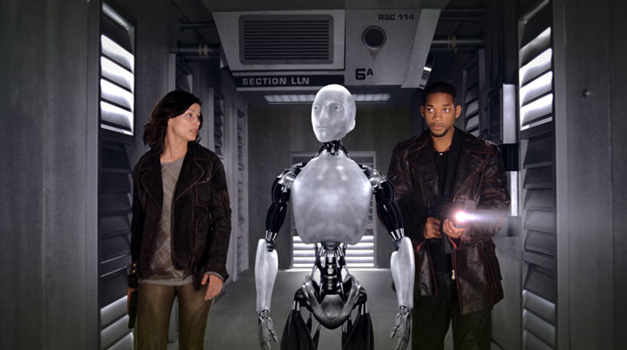
Technology has now advanced in ways that affect our emotions. It for a fact affects everyone differently because some are able to distinguish real from fake and reality from our fantasy. This is all a smart trick to get people to use their apps and spend as much time as they can so they can make money but when emotions are involved you don’t see it that way. They are giving people what they think they want or need. It all starts off with curiosity then leads to entertainment and lastly emotional attachment. Digital life is now being confused with real life because real live people are on social media talking and sharing experience. Replacing people with robots is another extreme that I can’t get with. All the movies I watched with robots started off a good idea until the robots became dangerous and tried to control the world, for example “I, robot” with Will Smith. We are at phase 1 where robots can talk and text us on our cell phones. For example, Siri and Alexa are on our phones to help us communicate what we want and need. The next phase could be physical robots that are replacing people at work like reseptionist and cashiers and door means in means to make experiences easier for people. I don’t like it but I can’t stop it. It’s coming within a matter of time. 

In the podcast Note to self-Talking to myself the lady made a point where she said that we were once talking to the waitress when we were at a restaurant instead of being on the phone and in this case the guy was talking to his replika on an app which imitates him. That just shows how much society has changed. People no longer have genuine in person connection with people that used to happen when technology wasn’t in the palm of our hands. The Episode of Black Mirror “Be Right Back” was a very emotional episode that ended in a way that should teach people that robots can’t replace a person even if they look alike, sound alike. The way people portray themselves on the internet is not the same as in person. The lady wanted her dead husband back but that was impossible so she used a technology that would bring a robot that looks just like her husband and sounds just like him too. Though spending time with these robots she realized that it was not really her husband even though she wanted it to be so bad especially for her child. At the end I wonder what she told her daughter about the robot living in her attic. That would be an interesting story that would impact the daughter’s relationship with the robot. He was just there to fill the moms void of losing her husband. He technically is a robot right? He can’t sleep, breathe, eat or snore.

Weekly news: 

A Lot of people have been moving out of New York City after the pandemic hit hard. What are your thoughts on it?

https://nypost.com/2020/08/11/new-yorkers-flee-nyc-in-droves/

15 Million Questions

15 Million Merits, what an episode of Black Mirror. I have actually seen this one before unlike last week, and it was just as shocking as before. I just couldn’t imagine living in a world where all there is are stationary bikes and porn. And I really wanna know if the women are bombarded with porn too, because if not, then what are all their ads about, shampoo? In addition, the little carton they gave Abi, ‘cuppliance,’ I wonder if they kept her drinking it during her porn shoots and life to keep her from regretting or wanting to go back on her decision. The whole show appropriates ‘fat shaming’ and being a bigger girl myself, it’s absolutley crazy to me. Honestly I think I’d rather be a janitor than sit on a bike day in and day out, I think I’d rather deal with the bullying than be so goddamn bored not moving or going anywhere on a bike. Maybe I’m crazy for that, who knows.

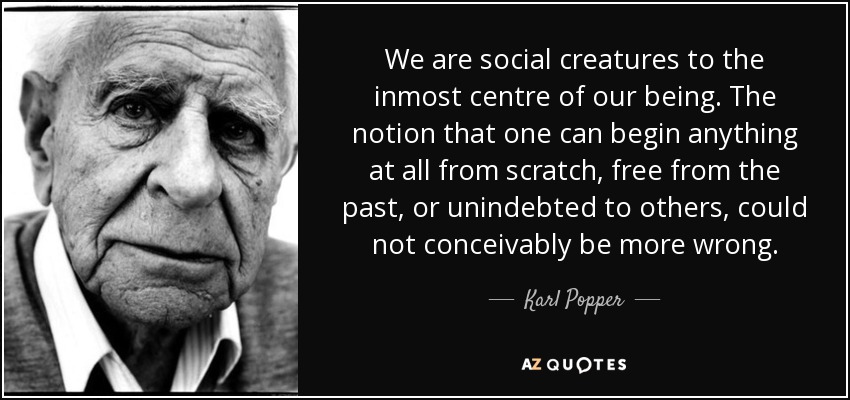
Social media has always been with us. Now this is something I’ve definitely never thought about. Standage mentions papyrus rolls the romans used, and radio transmitters, and all of these pre-internet ways people still communicated to gossip, which shows it really is in human nature. Which is scary, we have this innate way about us that we want to talk about other people, and overshare. We’re social creatures, maybe this is why people are really addicted to their phones and social media, it’s in our DNA, it just changes how it presents itself through time. We went from drawing pictures on walls to tell a story to posting pictures on our social media ‘walls’ now. We need human connection, especially now with Corona, could you imagine just going months without seeing or even talking to the people in your life? Social media is a beautiful thing, in the grand scheme of things. This quote, “modern social media is so compelling because it’s the most convenient and efficient means we have invented so far to scratch a prehistoric itch: the desire to share and network with other people.”(Standage) This is it, this is what it boils down to, networking and connections. I feel like, not to get super existential, but I think the connections we make with people is the meaning of life. We rely on eachother, we love, we hurt, we share.

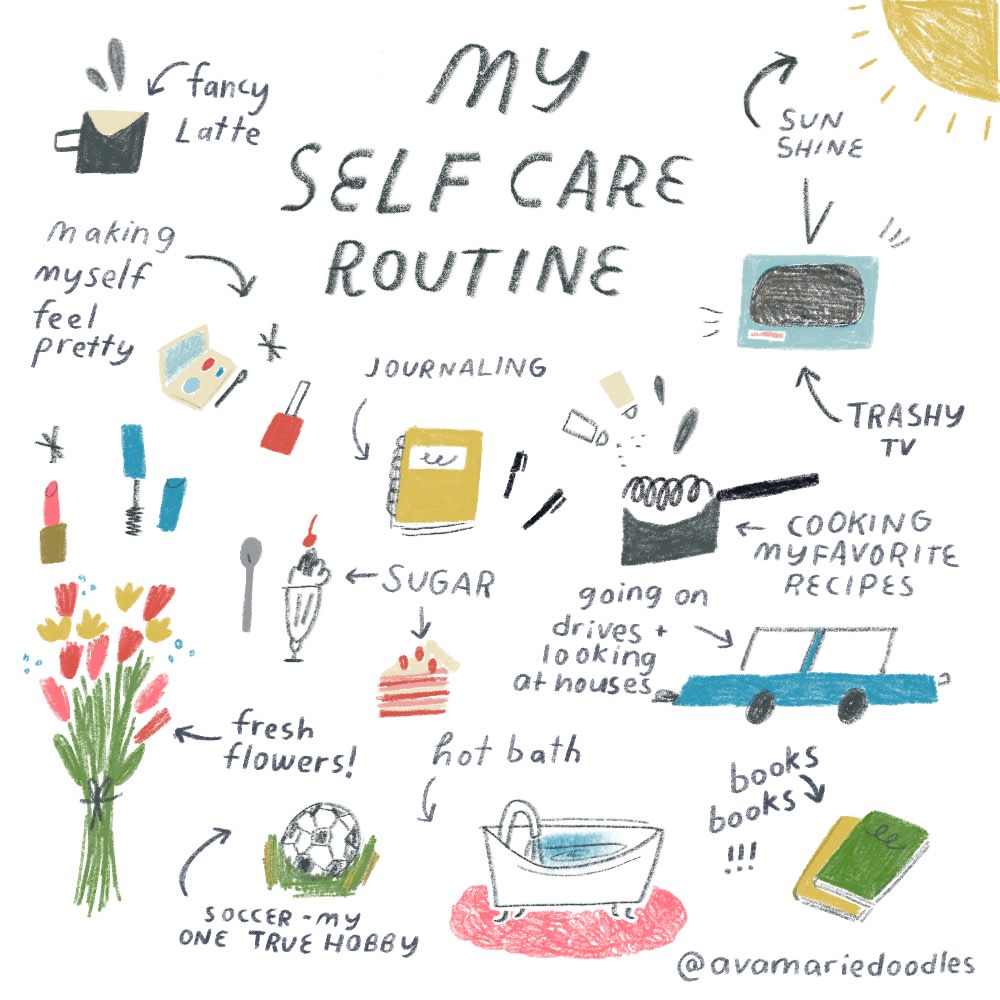
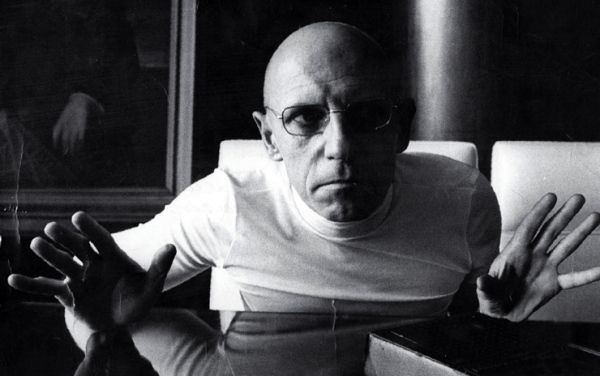
‘“Know yourself” has obscured “Take care of yourself.”‘(Foucault) How true is this. Wow. Our morality definitely has changed over the years, 100 percent. I think we as humans have forgotten to figure our own selves out because other people basically tell us how we should be, especially on social media. We create a different version of ourselves and we really get lost in the noise. Everything has evolved into ‘self care’ routines that we watch on Youtube or figure out through watching others, and honestly I think we kid ourselves into thinking it actually works when truly it’s just masking whatever issues you have for a night or two. I guess I should apologize to everyone, surprise, this might be an eye opener.

Weekly news: I actually just heard about this on Facebook and have’t really seen it in the daily news. This should definitely be a bigger issue.

Do you need fame to have fortune?

After watching and reading everything for this week it left me with the impression that everyone believes nowadays that in order to be rich it has to come from fame. From the video on Youtube about how social media is affecting teens, the Black Mirror episode 15 million merits, and the article “Foucault and social media: I tweet, therefore I become” by Tim Rayner I recognized this common theme.

First, I will begin with the Youtube video. It goes into the minds of teens of this generation and what they aspire to be. They all say famous. A crazy statistic that was mentioned in the video is that this generation has fame listed 4th on what they wanted to become when older, but all other generations had it at 15th. I hate to say it, but I blame this on social media. Social media shows people the success stories of people that made it from going viral or setting trends and never enough of the people that worked day and night and made sacrifices to get to where they wanted to be in life. So I feel that social media is affecting teens negatively. It is making them all chase the fame for fortune and not the what they are passionate about to bring them fortune.

Secondly, the Foucault article. Tim Rayner expresses Foucault’s ideas very descriptively. Foucault’s philosophy I agree with it. He feels that each generation has a different method of constructing themselves. For this generation it is social media. “Foucault’s philosophy can help us overcome the squeamishness we feel about self-creation online.” I agree that social media has become a very vital role in life today, but I also understand why is what this article showed me. Social media when used the right way I believe is necessary to build upon your brand, self or any job. Social media brings it a following and is able to allow the whole world to see. Social media is definitely a “positive tool” but I feel the purpose of it has been lost. individuals are now making it seem like it is the only way to become successful and that brings me to this week’s episode of Black Mirror.

15 million merits was based on meritocracy. It was very far fetched, but the points brought out were not. People are stuck in a world with screens everywhere they go and the only way to survive is riding on a bicycle all day to get merits. The only way to get out of this slave type life is to become the next big thing on a show called Hot Shots. Bing the main character of the episode finds love in a woman name Abi and gives all 15 million of his merits to her to get her a shot on the show. The show was nothing liked they thought when they got there they exploited Abi. She was forced to drink a cuppliance which is a drug that almost make people easier to comply. Bing starves and sacrifices everything to get his way back to the show and expose them for what they are doing. This ultimately made him get an offer to finally get out of this terrible lifestyle people were forced to live. What I got from this episode is how fame always comes with a price. Abi went into the show believing what she saw and so did Bing, but they got a rude awakening when they got there. This goes with life today many famous people say they wanted the fame for the riches, but it is not worth it. The amount of mental damage it does cannot be fixed and you are truly never happy.

WEEKLY NEWS: https://www.bbc.com/news/world-us-canada-54094559

The news article I chose for this week is about how Trump knew about the dangers of COVID-19 and down played it to the media. It just made me wonder could all this have been avoided? And what is the government really controlling if they almost allowed us to get to this point? In regards to this week’s materials I also ask do you need fame to have fortune?

Toxic Merits

Black Mirror: Fifteen Million Merits / Recap - TV Tropes

This week we all had to watch another black mirror episode called “15,000,000 Merits”. I have to admit the part of the episode was super boring but it gradually picked up the intensity as we went on throughout the episode and it became more and more engaging and fun to watch. This one is about a society that is trapped in some sort of area where they basically have to ride a bike all day to earn points so that they can do the simplest things in life like eat, drink, go to the bathroom, or even brush there teeth. Everything they do costs points, and it takes a ton of time to collect a lot. The main character in this episode is Bing Madsen and his brother just recently died, leaving Bing with a total of fifteen million points. Then he meets a girl named Abi and Bing thinks she has an amazing voice and should go on the show called Hot Shot. This is a show where your skills are judged and if they like you then you basically made it and are famous but if they don’t then you go back to basically living a pretty bad life on your bike. She wants to but its fifteen million merits to go on the show and eventually Bing convinces her to do it by saying that the only real thing that he’s ever seen the past couple of years is Abis voice. This is where the intensity of the episode was picking up. After she sang the judges were more interested in her body rather than her voice. They want her to go on this sexual TV show or program that plays for the bikers throughout the day. She actually ends up accepting the fame of doing these gross acts instead of going back to biking and wasting the points.

Symbolism & Hegemony in Black Mirror 'Fifteen Million Merits' – Euan's  Learning Film!

This causes Bing to rage and work his way back to fifteen million to get on the show. When he gets on the show he threatens to kill himself if the judges don’t listen to what he has to say. He basically exposes the entire system for wha it really is and its all factual. so the judges tell him that the truth is in short supply and they want him to do a tv show twice a week. This is where I was kind of confused. I didn’t by any chance want him to kill himself or anything, but I’m not sure why he said yes that he will do it. At the end it shows the picture above where he found peace.

If I can take one thing away from this episode its that social media in general has taken a grip of individuals in our generation. Everyones so obsessed with getting likes and followers and being the next big thing. I don’t have a problem with getting to the top but I have a problem with how you do it. Do it the right way. Don’t drag others down that helped you get to where you are today. We can do better.

What has been your favorite episode so far?

Weekly news about the election: https://news.ballotpedia.org/2020/09/11/weekly-presidential-news-briefing-september-11-2020/