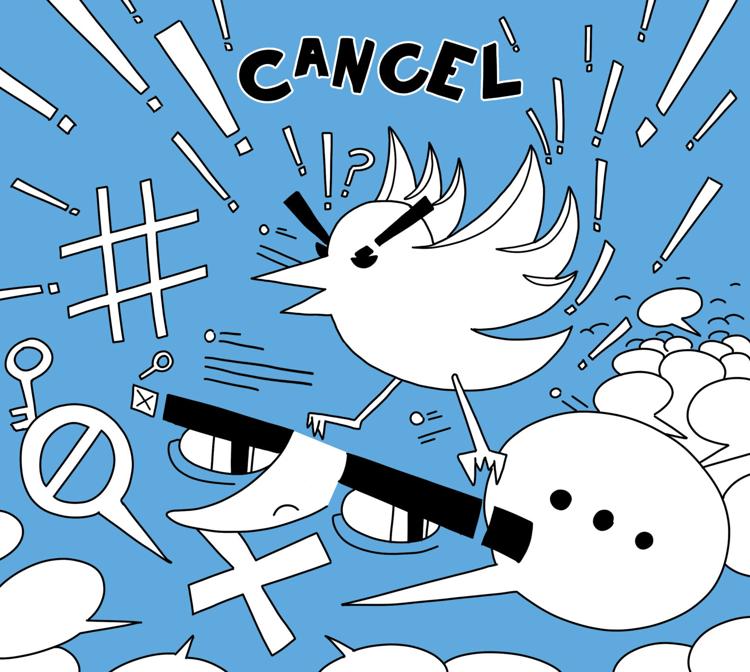
This week we took a look into cancel culture and its effects on the people that we cancel. We all are subject to and aware of these tendencies; when someone makes a mistake or speaks about something controversial online, we essentially “cancel” them. When putting it into writing it sounds asinine. However, these are the concepts that are finding themselves on the front pages of our culture’s news.
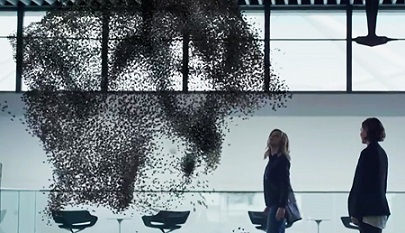
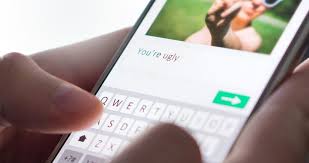
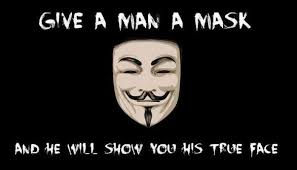
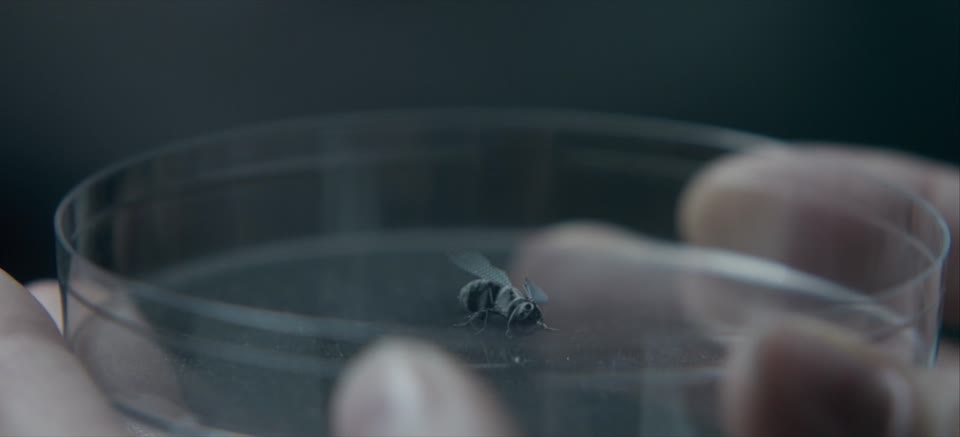
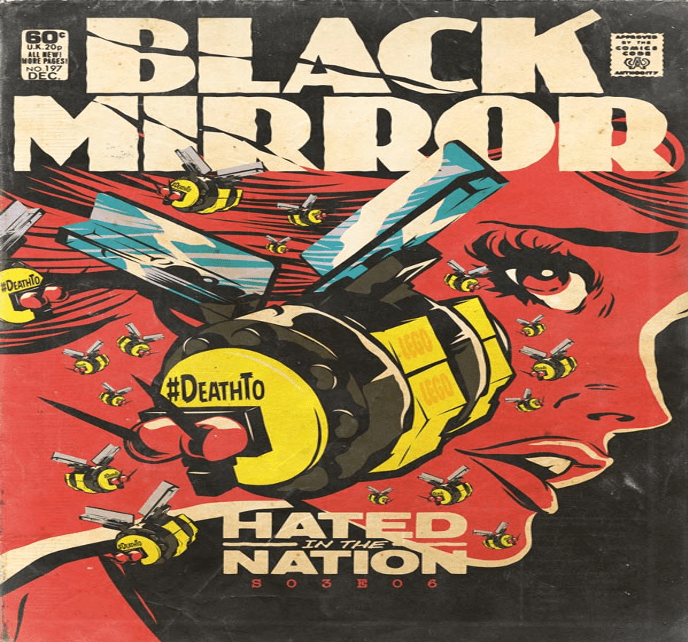
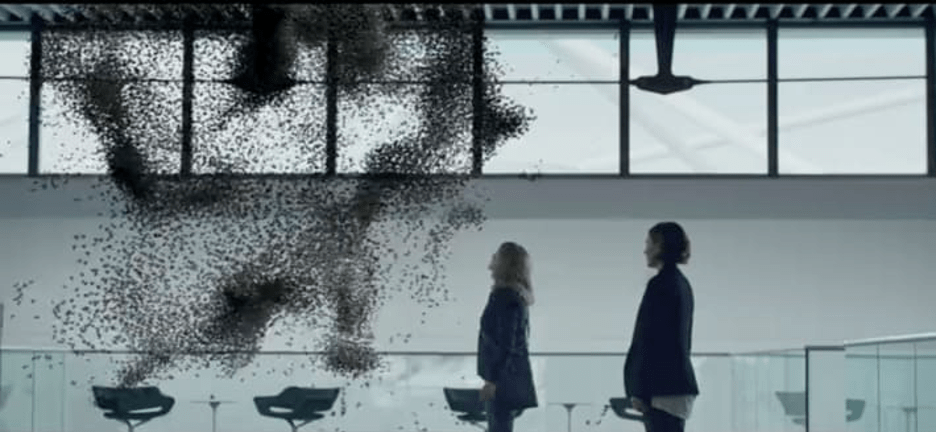
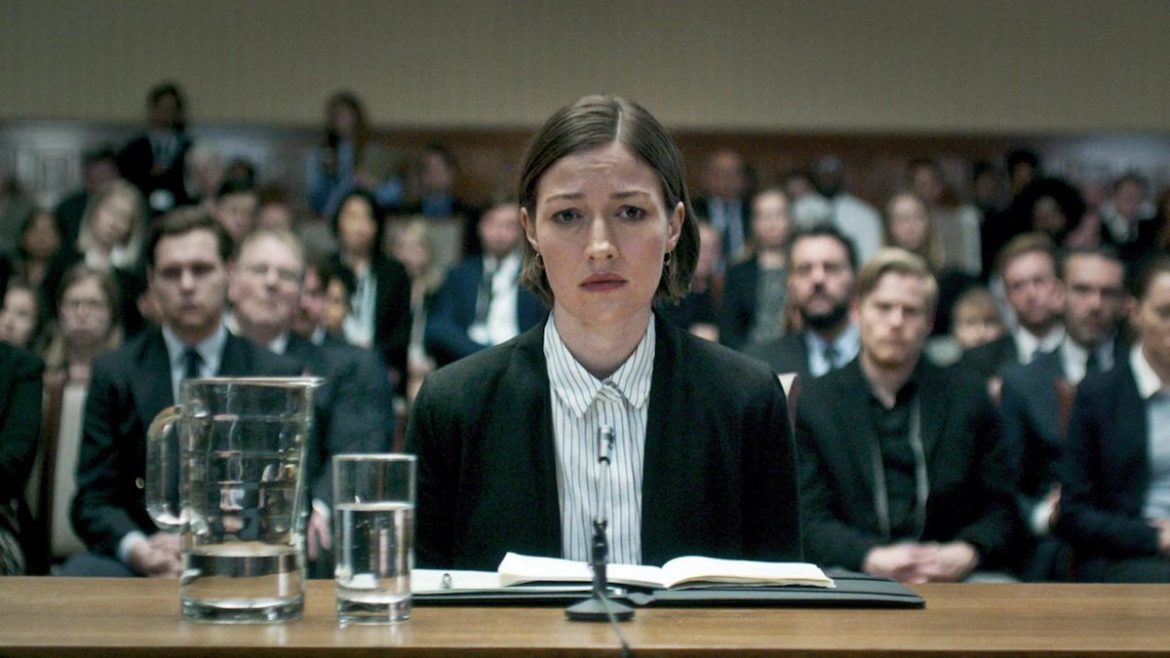
As usual, the Black Mirror episode, “Hated in the Nation”, was less far-fetched than we’d like to think. In the episode, we are given a scenario where cancel culture is life or death. Don’t like what someone posts? Tag them with the hashtag #DeathTo and you’ll have the chance to see them perish! It sounds so cynical, but this is what people do on a daily basis. We bully each other until the point of no return. Whether we’d like to admit it or not, social acceptance is what keeps us going, Regardless of whether the bills are paid, we have that cool gadget, or we’ve launched our career, social acceptance is what keeps us sane. That’s why this is such a big deal; we are pushing each other to our limits.
Don’t go any further. This is sensitive content!
Because of this sensitivity, many of us are censoring the things that we put online. Even I can admit that I’ll go to post something and maybe change the caption or change the wording because I’m afraid to offend someone or have people publicly shame me. This is exactly what the article “The Spiral of Silence” is trying to get at. Because we are afraid our friends are not rooting for us, we are less likely to post our true opinions. Although I am guilty of the same habits, this is counter-productive when it comes to having stimulating conversation. You don’t learn when there aren’t different points of view in your face. That’s a big thing that our culture is scared of.
We are reminded of this idea of censorship in Harper’s Magazine. The article writes, “While we have come to expect this on the radical right, censoriousness is also spreading more widely in our culture: an intolerance of opposing views, a vogue for public shaming and ostracism, and the tendency to dissolve complex policy issues in a blinding moral certainty.” We are constantly told about the value of diversity and empathy. However, when we are actually presented with an opposing view or someone from a different background, we are extremely quick to become defensive or to “cancel” them. I can almost guarantee that we will see no change if we are not able to open ourselves to criticism and find the strength to work through everyone’s ideas to find the best solution before we jump to conclusions and immediately name the opposing side our enemy.
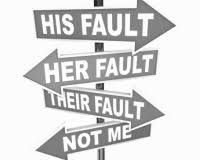
What’s funny about our culture is that we look for acceptance and a way to bash people all in one. We look for love, friendship, and positivity in the same place we look for a way to release our frustrations, judge our peers, and make fun of others voice. I have spent my life looking at technology as the enemy and trying to figure out an alternative way to express myself. I don’t spend time on social media anymore because I felt like it was making me more self conscious and less self aware. After going through the lessons this week I begin to wonder: Is technology the problem? Or is it our own tendencies that make technology so harmful?
Weekly News
https://www.cnn.com/2020/09/25/politics/donald-trump-amy-coney-barrett-supreme-court/index.html
Sources: Trump intends to nominate Amy Coney Barrett for Supreme Court
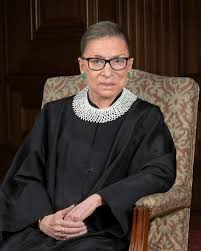
I chose this article in light of the recent death of Ruth Bader Ginsburg, a Supreme Court Justice with forward thinking and intentions of change.


/cdn.vox-cdn.com/uploads/chorus_image/image/51455977/BlackMirror_EP5_hated_in_the_nation_00826r1.0.jpg)


 SOCIAL MEDIA & SOCIETY