The Risk of Paving the Way

This week, I was reacquainted with the story of Napster and the issue of copyrights. This is one of the many issues that I have seen blow over and blow back up on social media several times throughout my life. I remember even on Facebook and Instagram, sharing songs in a video wasn’t a big deal. All of a sudden, people’s videos started getting blocked, and people began to add extra comments to their post giving people credit for their work.

This is Napster
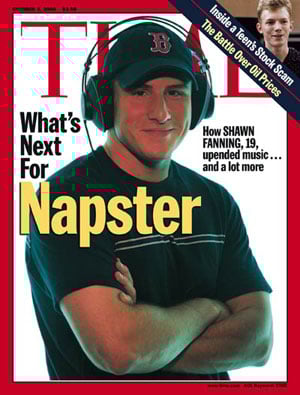
Napster - History of Shawn Fanning's Napster

Napster is basically a search engine for music. It was initially released in 1999 and was built on copyright infringement. I think that this was one of the great examples of technology advancement and law disagreement. Although the release of Napster was extremely controversial, I think that it led the way for the revolution of streaming and the advancement of the music industry.

I think that after watching the Napster documentary and Rick Beato’s YouTube videos we can see both sides of the role that technological advancements have on the music industry and copyrights in general. I definitely agree that people should be given credit and be paid for their work. However, when new technology is prevalent and is clearly an interest to people, those in business have to choose whether they are going to fight it or embrace it and possibly capitalize off of it. We see this in much more than the music industry, but I’ll get back to that.
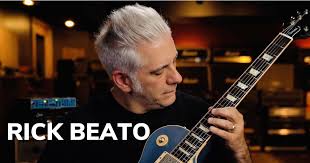
Rick Beato - Home | Facebook

Rick Beato really nails it on the head with his videos concerning copyrights and “blockers” in today’s online society. He explains that these people are passing up the opportunity for what I would call free advertising. In his newest video, he tells us about how a Fleetwood Mac song has returned to the charts because of several viral Tik Tok videos. This displays the power of technology and the possibilities that can be offered to those who have the ability to change with the times. The same goes for Steve Jobs who introduced iTunes in order to solve the problem. In the Napster documentary, we also see how the music industry was hit hard due to both the introduction of technology and their inability to accept it.

Fair Use
Fair Use Under Copyright Law | Attorneys

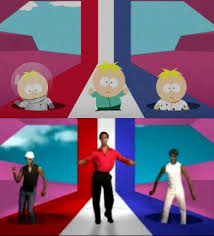
We also have the Fair Use Doctrine to assess. This doctrine allows people to use copyrighted information or media for certain purposes, one being education. This fits into the conversation because it shows how laws have attempted to give some sort of leeway for those attempting to use copyrighted media. As we saw in the incident of the “What in the Butt” song, this has allowed people to use others ideas if they are attempting parody.

The big idea that I really got from all of this was the fact that laws and people have a hard time adjusting to new technologies. Not only do we see this with Napster and the music industry as a whole but we have seen this in previous weeks as well. Think about what we learned from Sexting Panic. This was another was in which laws failed to keep up with technology and have ended up punishing innocent people who were only doing the next big thing. In light of all this, I leave you with a question. How can we allow for societal and technological growth without severely punishing those who are only following suit?

The Weekly News

News Brief: Trump And Biden’s Competing Town Halls, COVID-19 Vaccine

https://www.npr.org/2020/10/16/924396569/news-brief-trump-and-bidens-competing-town-halls-covid-19-vaccine

Competing town halls give U.S. voters a chance to judge Trump and Biden in  isolation | CBC News

Here is a briefing on Trump and Biden who have taken over the news as people watch for a follow up from the last debate.
Author first… Public second

I think after all the material we watched, listened to, and read we can all agree copyrights are primarily intended to protect the author. I am not saying this is wrong at all, but it is the truth. We all have seen or heard of copyrights. If it was not in a law class then we all have seen that C symbol or Copr abbreviation somewhere. Original works should be rewarded completely, but seeing some of these copyright infringements I see the third party doing what copyrights claim they intend to do which is benefit the public. I stand with the author and believe they should be paid for their creativity and contributions to promote and advance art, but what I ask the class is where do you stand? With the author or the public?

Downloaded the documentary on Napster tells us the story of how college students did the unthinkable at that time period or how I see it started something revolutionary. Napster was a network where music could be exchanged online. As it gained popularity fast and rapidly spread the RIAA (Recording Industry Association of America) sued for copyright infringements along with the likes popular music creators like Dr. Dre and Metallica. Although this legal battle of Napster was lost and Napster is gone forever its impact is everlasting. Two teenagers Shawn Fanning and Sean Parker did something that is still used today in iTunes and other music downloading platforms that use similar softwares.

South Park won a lawsuit against a singer named Samwell over a copyright infringement. Samwell an internet sensation created a music video that went viral and blew up. South Park took this idea and ran with it. They took away all credit to Samwell and put the song What What (In The Butt) in one of their episodes. This copyright infringement does not benefit the public nor the creator but solely South Park. Samwell was not being paid for his song and dance being put in the show yet the case was dismissed. A clear copyright infringement was deemed as not substantial and did not impact Samwell’s market. I think otherwise, but we punish the creators of Napster and not big names. The intentions of both are clearly different.

The last two material that struck me were the article on techdirt by Mike Masnick and the academic article on Washington State University’s website. One article is saying that copyright’s sole purpose is to benefit the public and the other is saying it is to protect the creator. Congress and the Supreme Court constantly say copyrights primary purpose is to benefit the public, but is that really the case? Samwell someone who used their creativity to do something beneficial for themselves and the public was not protected by these laws. Copyright laws are intended to “promote and advance art”, but it does not seem that simple. Even Mozart a famous composer was found to be poor while the public enjoyed his works. Sometimes people do things because they love it and are not looking for payment, but some people are doing what they love for payment in hopes to one day be discovered and make a living off of what has a high meaning in their life. They create high demand things that we all want so it is only right the law protects them and their creations. Napster was for the common good what South Park did was for their own good. In both situations I did see creators being robbed of their ideas so maybe we should just be honest the copyright laws should protect the author first and the public second.

WEEKLY NEWS: https://www.latimes.com/entertainment-arts/music/story/2020-10-15/donald-trump-ice-cube-contract-with-black-america

Ice Cube reportedly collaborated with Trump and is now facing heat for it. He says it was solely for the black community, but others believe otherwise and he is a sellout. What do you think?

Napster & The Concept of Privacy

The eighth week of Social Media & Society had introduced us to the film Downloaded: Napster Documentary and Douglas Rushkoff’s insight on Present Shock. We also discussed the concepts of copyright and privacy infringement laws. The Zoom call on Wednesday the 14th, deepened my knowledge on the influence of the internet and laws put in place to protect it.

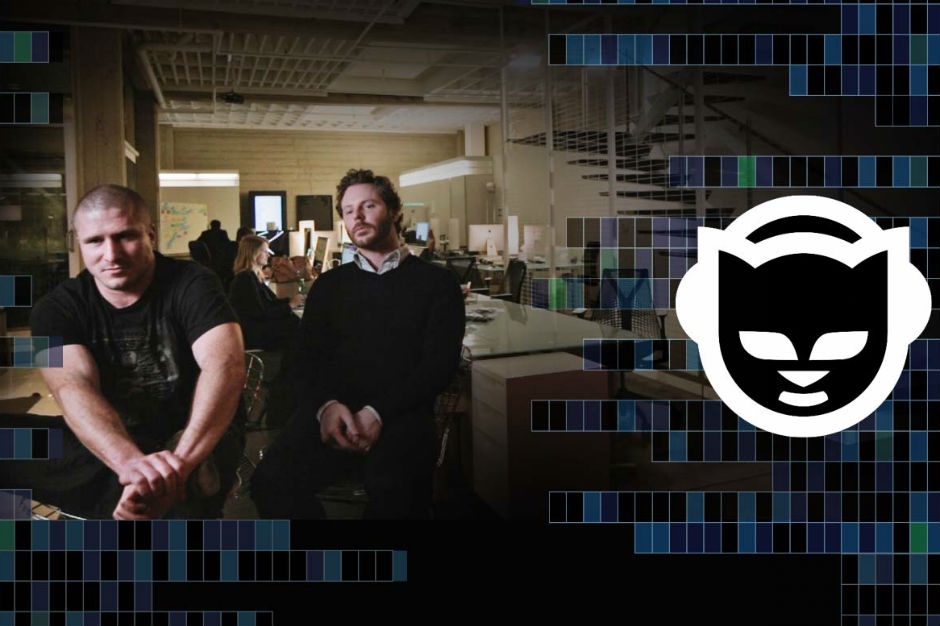
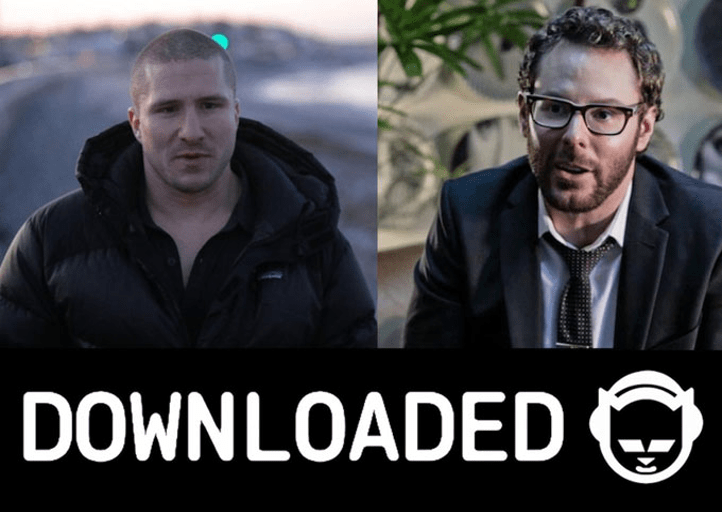
Shawn Fanning (left) and Sean Parker (right)

The film, Downloaded: Napster Documentary, covers the rise and fall of Napster. Napster was an online service founded in 1999. The founder, Shawn Fanning and co-founder Sean Parker, harnessed the Internet to enable people to trade favorite songs, share files and obtain basic communication over the internet. Their humble beginnings soon grew into a massive movement of sharing files and music. This was very troubling to the music industry because people where no longer purchasing music. Napster provided a free service of music to hundreds of thousands of people that grew to millions of registered users with the simple click of a mouse. Artists and the music industry in general lost an estimated 50 million dollars in revenue. Many record labels filed lawsuits against the Napster organization because they believed Napster’s filing sharing was illegal and violating the rights of their artist’s production. Napster, the software application that ignited the music file-trading frenzy, came to an end on July 11th, 2011.

Napster Brand/Logo

I believed that Downloaded: Napster Documentary, did an impeccable job at covering the lives of Shawn Fanning and Sean Parker. The film provides firsthand insight on the families and upbringings of these two men.The documentary also included several special guests that added crucial perspectives on Napster.

Before viewing the film Downloaded, I did not understand Napster’s overall impact on the internet. Napster took the internet by storm and had a major impact on the music industry. Their file sharing service was the first of it’s kind and attracted people from different demographics. Napster and its founders held the promise that everything the new medium of the internet encompassed: youth, radical change and the free exchange of information. But the younger generations would soon give way to reality as the music industry placed a bull’s-eye squarely on Napster. I understand why musicians and record labels were frustrated with the concept of Napster. These massive organizations and corporations lost millions in sales when Napster provided free, downloadable music. In this era constituted largely of CDs, records and radio. This new form of listening to music was overall easy to obtain and free! Lastly, I see how Napster’s revolution is still impacting music platforms today. Music has recently became more affordable and manageable for people to purchase music.

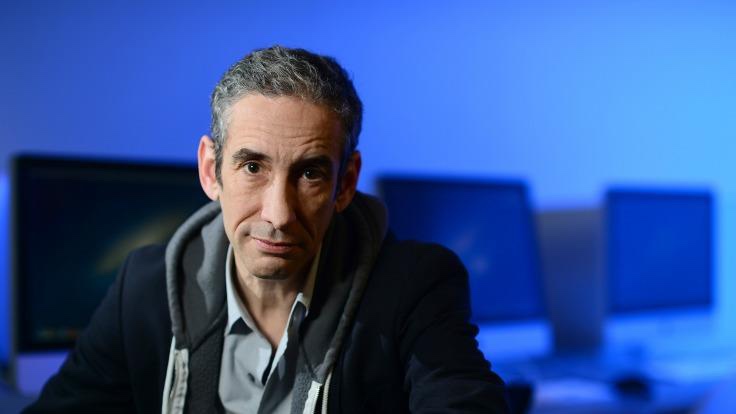
Douglas Rushkoff

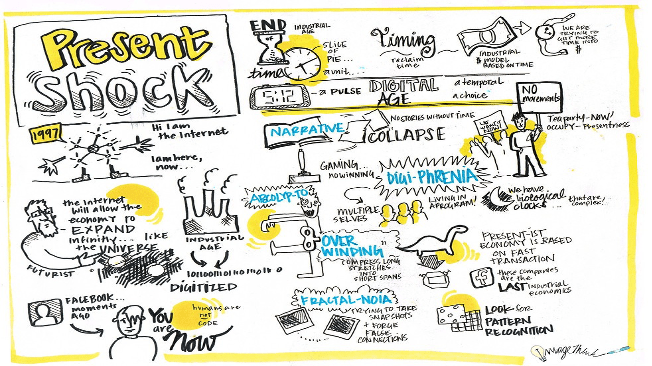
Present Shock: When Everything Happens Now was written by Douglas Rushkoff and published in 2013. According to Rushkoff, rather than focusing on building a better future, society is primarily concerned with building a worthwhile present. Rushkoff addresses brands, pop culture, news outlets and political movements. He also paid particular attention to technology’s affects on modern humanity. Rushkoff references the effect of live news reporting and the emergence of pop culture to make sense of diminishing attention spans. The solution he provides is to allow viewers to insert themselves directly into the narrative, becoming a participant rather than a spectator.

Published by: Samuel Erickson

Weekly News Article: This article from Indiana University, takes an overall deeper look at the impact of Napster on the music industry.

Napster: The Black Market that Publicly Dominated the Music Industry

YouTube & Copyright Laws

I thought that all the topics we discussed in class were very interesting and could possibly be my favorite week so far. To start the class we watched the “What What in the Butt” song and a parody of it that South Park did to make fun of it, and we then took a deeper dive into Rick Beato and him talking about YouTube taking down videos.

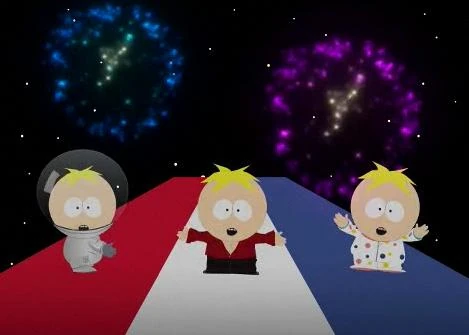
When watching the What What in the Butt song in class I forgot how funny it was because I have not seen it in forever. Also, I remember watching the South Park episode that made a parody of it, which South Park is known for not caring about anyone’s feelings and the consequences. It is one of my favorite shows to watch and there have been multiple times they have been under fire for being offensive, and people wanted to cancel the show. In this instance with the parody of the song, Brownmark Films sued Viacom and Comedy Central for using the song. They claimed it was copyright infringement, but in response Viacom said that in fell into the fair use section, a judge even affirmed that it was under fair use. The judge also said that anyone who watches South Park will know that the show is trying to make fun of the recent craze in society of watching video clips. In South Park they always make episodes about what is currently trending in the world.

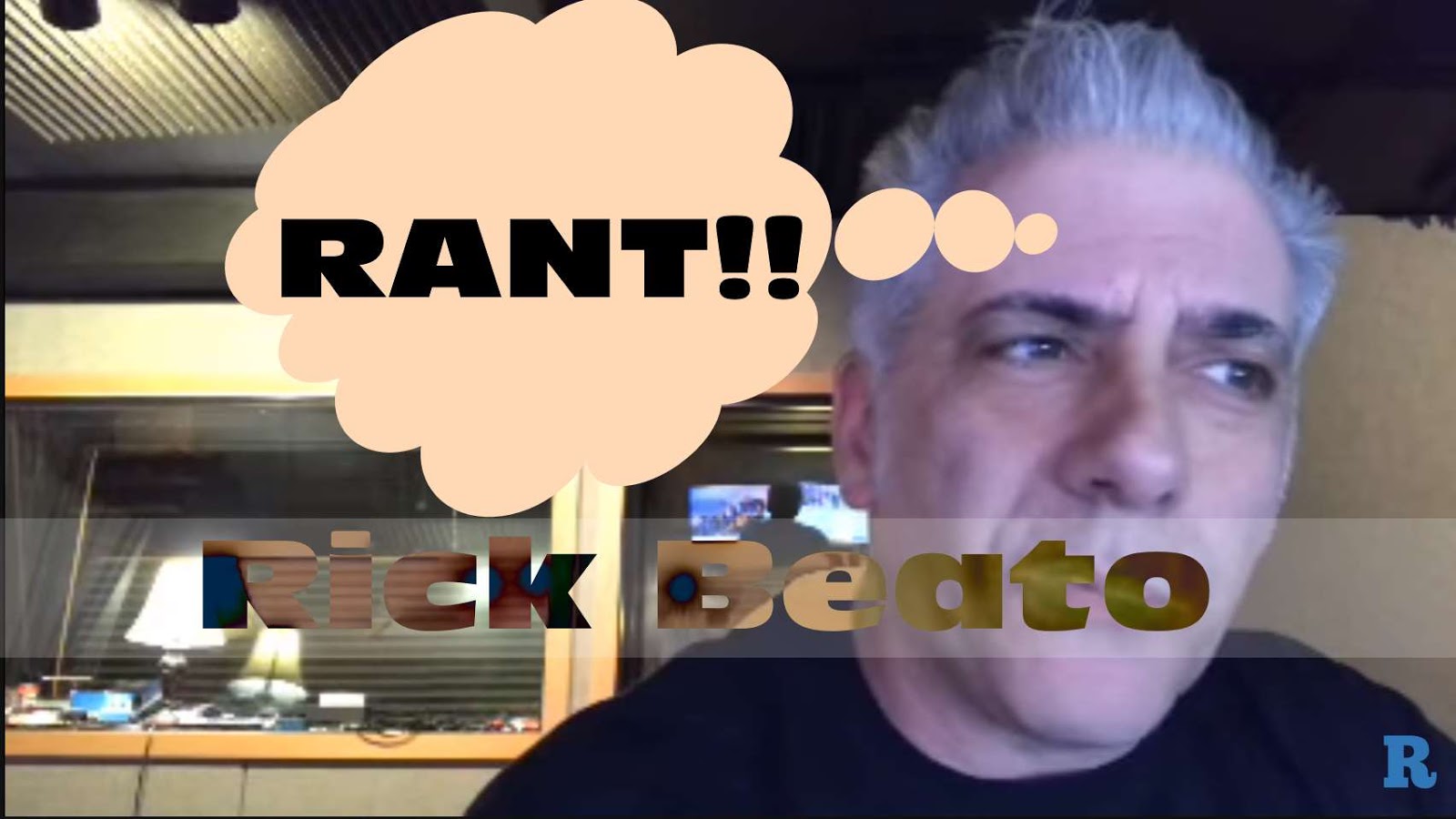
Continuing with YoutTube we jumped to Rick Beato a popular youtuber that focuses on music, where he posted a rant video because in one of his videos he played a song for 9 whole seconds and was taken down for copyright. In his rants he goes on to say that YouTube is not the issue with these restrictions, but in actuality it is the artists. The video that was taken down took a lot of preparation and just to be taken down because of 9 seconds can be quite frustrating. Rick posts videos that are educational and appreciative to the songs and artists, which will also promote the music itself. In his rant he explains how a company hired 60 people to go through videos and strike them for copyright and get them taken down, they take down over 250 videos a week. I do believe that copyright rules and regulations are a bit extreme and should not be harsh, especially as far as going to taking all of it down. I think that even if someone is reposting a song or anything that can be thought of copyright should be most of the time left posted, because it does help the artist to get more exposure to people that they may not have listened to it in the first place. Content creators are promoting their work as fans and are trying to get many others more involved in their interests, in the end it will help the artists get more fans and help their career out.

News Article: YouTube Has a Massive False Copyright Claim Problem

This article talks about how Studio 71 has been falsely claiming videos that they do not own any of the content. YouTube is also doing a lousy job trying to resolve the problem that affects their own content creators.

https://www.ccn.com/youtube-has-massive-false-copyright-claim-problem/

The Protection Copy Write Provides

In times like these we gotta worry about what has already been said or done. Depending on whether or not its a music video or a catch phrase and even a scene from a movie. Copy-write is a serious matter and when I say times like these I say that because it is so easy to get in trouble about what you say. Without you even knowing it something you say or do could lead to plagiarizing something. I mean if you think about it, it’s fair because the person that came up with that phrase first deserves all the credit right? But one could also argue that if you made that phrase a bigger thing than it was to begin with then shouldn’t it be yours, I mean the only reason there catch phrase is big now or anything they had done is because you made it big. People go through this everyday of being accused of copy-write even if they haven’t actually done anything wrong.

How to Copywrite Brilliantly When You are Not a Copywriter

This week in class we had to read an article about South Park being sued for making a parody of “What What (In the Butt)”. Now for those that don’t know “What What (In the Butt)” was created by Sam Well and it’s just silly video of him saying what what in the butt. What South Park did was make a parody of this video and Sam Well and his team felt that South Park didn’t stay within the parameters of the copy write notice. South Park obviously denied that there was any breach in the copy write notice saying they did the parody well in parameters. It was taken to court then the judge also declared that South Park did not breach anything and determined that a clip that lasts less than a minute in a 25-minute episode wasn’t substantial enough to ruin Brownmark’s market enjoyment of its video. Even though South Park was following all the rules and not totally ripping off the “What What (In the Butt)” video, they were still taken to court. Granted the original was downloaded more than 41 times, it still goes to show how careful one must be and how easy it is to get sued for copy write violations.

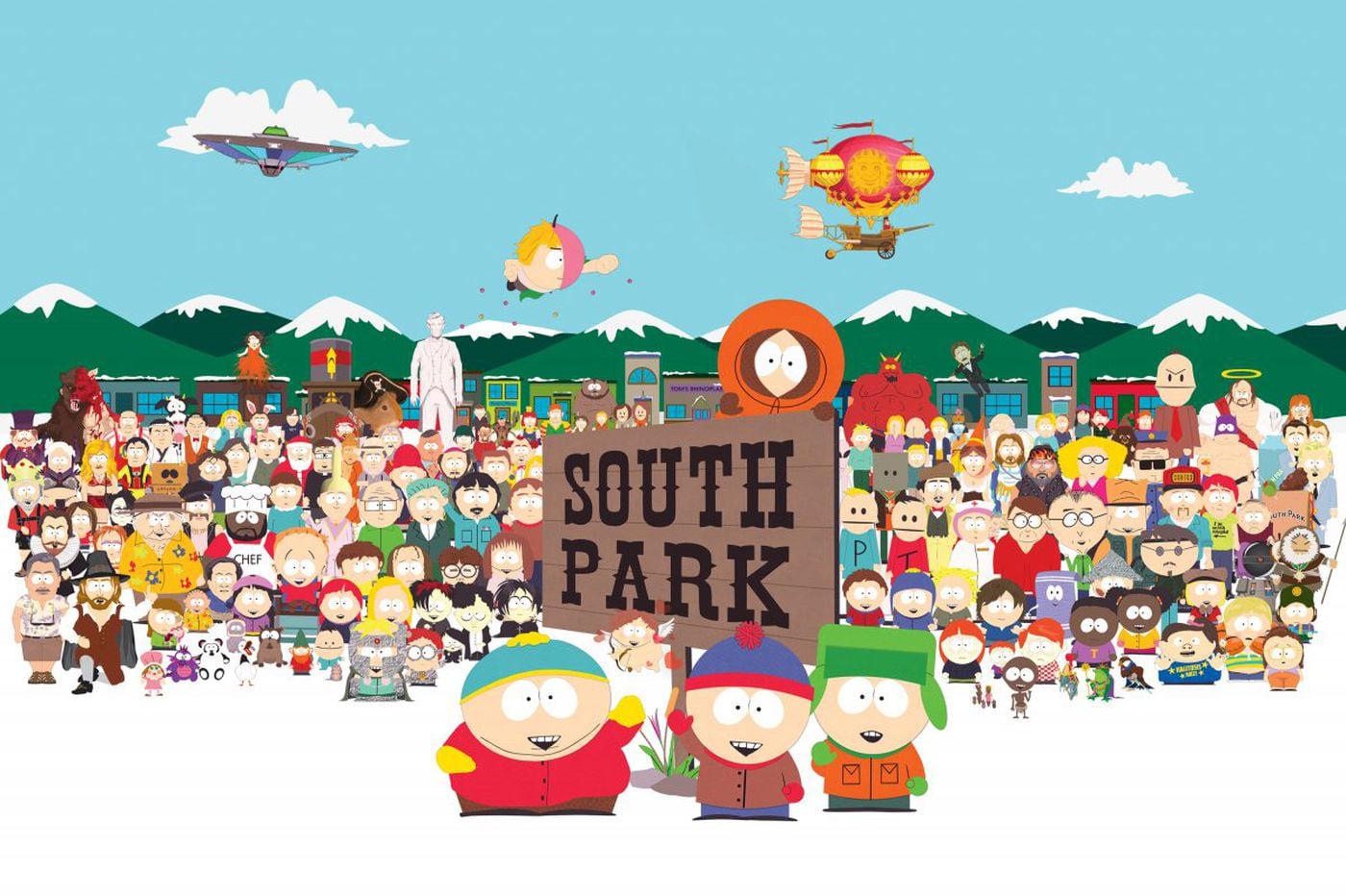
20 years later, does America still need 'South Park'?

I went and did some more digging about some other people and organizations that have been hit by copy write laws. On May 7 of this year Jennifer Lopez and her production company were sued for copy write violations for $150,000 in damages. The person that sued was a photographer named Steve Sands who alleges that Lopez posted a photo taken by Sands on Instagram. Like think about that, this guy is really suing Jennifer Lopez for a photograph and not for a low amount of money either. Sands says that Lopez and her production company did not licensee the photograph or get permission from him to post it. This isn’t the first time she’s been sued for a photograph too, but was also sued by Splash News and Picture Agency for $150,000 in October 2019. This just goes to show how easy it is to sue someone for copy write violations and it makes you think about how carful you gotta be in this day and age.

https://www.natlawreview.com/article/jennifer-lopez-sued-copyright-infringement

Latest News | Onslow Community Outreach
https://www.cnn.com/2020/10/16/politics/donald-trump-criticism-from-former-administration-officials/index.html

This article is about Former White House chief of staff, retired Marine Gen. John Kelly, has told friends that President Donald Trump is the most flawed person he’s ever known.

Is Copyright Going To Far?

In this week’s class, we read two articles, watched one movie, listened to one podcast, and browsed two websites. The topic was copyright, piracy, and fair use. “The most important thing about intellectual property vs. creative expression is that copyright law was created not to stifle creativity but to encourage creativity.” (Shepard Fairey) In our movie, Download: Napster Documentary, we see how college students harness the power of the internet to help people trade their favorite songs with others. We then see the music industry, not realizing the potential of the web, shut this organization down. Shawn Fanning and Sean Parker started Napster while they were still in school; this networking platform lets home music be exchanged, this online sensation took off. The Recording Industry Association of America sued for infringement, as well as some artists. Napster was scrapped because of this. We now have some music apps that are based on Napster, these include iTunes, Rhapsody, and many other music apps. In this movie, we see how the base of many popular music apps was created. 

Photo by Caleb Oquendo on Pexels.com

In the article “Yes, Copyright’s Sole Purpose Is To Benefit The Public” we read, “To promote the Progress of Science and useful Arts, by securing for limited Times to Authors and Inventors the exclusive Right to their respective Writings and Discoveries.” Copyright laws are to benefit the artist and the public; by not allowing other artists to steal work and force them to tap into their own creativity. Some people do not think of copyright as something that is favorable and instead re-write things just enough to pass as not plagiarism. Copyright laws are to help artists express creativity and protect their creativity, in order to be true to yourself you must write what you believe and hold true. Copyright protects artists of all kind; from music to blog writers copyright law is to help them hold true to their work and to protect their work from others. I personally always had an idea of copyright laws but not to the extent this week’s reading taught us. In our other article, “South Park Wins Lawsuit Over “What What In The Butt” Parady”, we see Brownmark Films sue South Park for making a parody of a internet sensation from the singer Samwell. This parady was less then a minute long in the twenty-five minute long episode. South Park claimed that the use of the song was within the rights of fair usage, and this prevailed in court. The use of copyright was almost overly used in this case, as Brownmark quite literally freaked out from the fact this happened. People and companies are starting to over-use copyright laws and crack down on anyone who uses even a small part of their song/writing. I believe while copyright laws are to hepl artists that some companies take thing a bit to far, this is one of those examples. Fair use of songs and writings must be considered and taken into account while the person using these song/writings must be considerate of the artist and their work. By being respectful to artist’s work the artist will be more respectful towards you.

Photo by Mental Health America (MHA) on Pexels.com

Have you ever plagiarized? Have you ever seen anyone copy you? Or vise-versa?

Weekly News:

Inside the big brains

Review: Napster Documentary 'Downloaded'

This week we had to watch a documentary on Napster. Back in the 90’s Napster was notorious for everyone that had a computer basically getting their music for free. It started with a hacker getting access to a whole bunch of files or something like that and then you can share the files with all your friends so that you could get access to whatever songs you wanted. So obviously the Music industry took a severe hit and crashed immensely.

This documentary is all about how this revolutionized the way we use computers and the way we look at the internet, like this was a very big deal back then.I think this was the dawn of like technology and how we think about it and what we can do with it. This had to be one of the things to start the trend of oh what if we did this with the computer or, maybe we can have all of this open at once on my computer or something like that.

I really enjoyed the documentary and I really liked hearing the story of the co founders of Napster and their story too.How the one really struggled at home and didn’t have a real stable family and he had to go to foster homes a few times. Its very heart warming to see people that don’t have a lot, to face that adversity and get through it and still make one of th best discoveries ever as far as technology goes today. When they met they were both like hey your exactly how I pictured you to be and that was just funny to me.The founders of Napster were some of the smartest and most bright minded individuals back then for the discovery. To look at how far we’ve come now looking at this from way back then is just absolutely incredible and scary to me in a way. Like one hundred years from now technology is going to look completely different from now and I do think that’s cool and all but its just scary to me to keep progressing like this but I also love it.

I really connected with one of the co founders (Shawns) story. He faced a lot of adversity throughout his life, but then he found sports. It said in the documentary how much sports and music helped him disconnect from all of the stuff happening at home and he just was happy. And Im the same way. I went through stuff as a kid and football saved me in a way to just focus on it and embrace the love for the game instead of focusing on the bad stuff.

Looking back on all of this Im really thankful that I live in this generation with the technology being decent and not having to struggle too much to download a file. Its the little things that the technology of today brings us that im thankful for and its only going to get better from here.

Check out this article about the debate this past Thursday

https://time.com/5900628/biden-trump-town-halls/

The Era of Digital Music

The internet and digital music took people by surprise. Napster was created as a website for trading music mp3 tracks between user to user. Napster was looked at as a site for illegal music sharing. This pirated music sharing on the internet was a problem for record labels which in turn went into legal issues. In the documentary about Napster’s existence, “Downloaded”, it was said that Napster did not stop the share of ‘illegal’ music sharing once the government tried to shut down it’s system. After the people went to other music sharing software such as LimeWire or Music City to download their music. The government and RIAA thought that tackling Napster wold change the norm of downloading music, but it just showed how inevitable of getting music tracks were in the society. The record labels weren’t ready for the changes digitally which took them by the biggest surprise when they found out their music that was unreleased and released was being shared on this site. The legal issues came about because these record labels wanted full control over the delivery and monetization of all their records.

Napster was a free popular website which gave people the upper hand to receive any track they wanted through sharing from desktop to desktop. John Perry Barlow stated, “They were saying it’s just a matter of copyright is going to be fixed and maintained by some combination of both enforcement and education, this sounds like the War on Drugs, I don’t think this is gonna work…” The fact that the United State of America always tries to find a way to enforce and capitalize off of the problems in the society is pretty twisted. The idea of there being an education created and enforced to everyone over the very new digital world where there are millions of ‘pirates’ and hackers that can code their way to continuing the norm of downloading was a militant idea. Downloading music became a huge problem which made the government start creating lawsuits for copyright and infringement issues regarding mp3 tracks which can cost at least $1,000 fine. Being that I was born in 1998 and was more worried about a bottle than downloading my next mp3 track, I didn’t know that Napster was the founder of the mp3 track sharing world.

I personally grew up downloading music from LimeWire and loved music to the point where I created a YouTube lyric video from my Windows Movie Maker app for Mariah Carey’s ‘All I Want For Christmas Is You’ song. I listened and watched my lyric creation while gaining a few views for a couple weeks before it was taken down. Little did I know then, that copyrighting was a huge problem for the digital world. Do you think we will be able to create YouTube videos with our favorite music on it without getting sued or having the video taken down in the future?

Weekly News : https://www1.cbn.com/cbnnews/us/2020/october/more-proof-the-media-and-big-tech-are-in-the-tank-for-biden-as-they-suppress-damaging-email-story

Here is an episode of “The Proud Family” rendition of the illegal downloading of the music era. This is one of the ways I found out about it being a problem. This can be watched clearer if you have Disney Plus (S01 E05).

Napster Ahead of it’s Time?

This week we watched a documentary on a company called Napster. Napster was a MP3 file sharing company where users could share any music they had with music other people had. This allowed for people to not pay for each individual CD or record to have access to the music they wanted. This in turn made a lot of record companies and artist mad about lost profit and felt they were being shorted money. Napster was really a head of its time and really kind of set the start of the trend of social media and other music apps like spotify. Now there is so many different way to get music that you either pay for a membership to the service or you can just download them for free from somewhere and it is not really to hard to find. Napster just put all of this into one service where you could physical see how many people and how much music was being traded back and forth. The real problem began when people started trading unreleased music which was hard to do before the internet and this was really the first time something like this could be done but now you see unreleased music being leaked all of the time. This all comes down to copyrights and what is allowed and what isn’t. With music I feel it is very hard to tell people they can’t trade music with each other because people are always looking for a way to save money and still get things they want and trading music is one of the ways to do that. When its comes down to people pirating the music this is wrong because no one has payed for that copy to the music so you shouldn’t be able to trade that music.

Believe It Or Not, This Report Says Music Piracy Has Increased - Music 3.0  Music Industry Blog

I think something that was not talked about in the documentary is how the music industry has started to change in recent years and artist are starting to come at the record labels because of how much money they make off of the artist and how much control they get of the music. Artist want to have as much freedom as possible when making music and also want to make tons of money just like every person would want to do. Record companies then become the middle man and end up taking a good amount of money and own the copyrights to the music which helps them keep artist under control. This is the reason why you have started to see successful artist start there own record label companies like Jay-Z, Kanye, and Eminem along with others to give artist more control. The documentary also talked about a band that had only played on the east coast and had 500 to 700 people and then go to play at a college on the west coast and have thousands of people there who knew the lyrics to every song. These people knew of the band through Napster and without it they never would of had as big of a turn out. This shows how great something like Napster is for a up and coming artist or band and not having to go through a record label would allow for them to make even more money off of sales.

Ebola (La La)” by Rucka Rucka Ali | Impressions

We also read an article about South Park and them being sued for copyright infringement for an episode they aired. This episode showed a parody of a YouTube video call “What what in the butt” that lasted around a minute in a 25 minute episode. The fact that it was a parody and did not last for a substation time comedy central won the lawsuit and this set a precedent for what is allowed with a copyright. There is a lot of different parody accounts that make funny videos about popular songs and movies. Myself and my friends from high school use to watch these parody videos all of the time and would get enjoyment out of them and would then listen to actual songs. When people do stuff like this they are looking to just get a laugh and mean no harm and most of the time people hear the parody and then want to listen to the actual song. This in turn brings more people to listen to the actual artist music. So my friends and I use to listen to parodies from Rucka Rucka Ali on YouTube. Did you ever listen to these parodies or any others?

News Article:

This article talks about reasons why artist are starting their own record labels or becoming indie artist where they make more money and have more creative freedom. This is having an effect on record labels companies and is changing the music industry.

https://www.rollingstone.com/pro/news/ditto-music-lee-parsons-interview-749510/

Copyrights: Fair Use or Fake Use?

This week’s topic “Copyright, Privacy and Fair Use” was a serious one to share the opinions on. The material that is being provided was filled with the cases in which the Copyright situations and cases are being shown and in order to understand fully about the sensitivity of the data you use in daily life.

First of all, the documentary i.e. “Downloaded: Napster Documentary” was an interesting video to watch. The people of the 90s still who use to have their own computer and if they are lucky enough their own internet connection, they would certainly know about what Napster is. In this modern world where the streaming and downloading of the music is just a game of the clicks, it’s easy to forget what a monumental ground shift Napster represented. The common fact that everyone remembers is that when Napster launched the music industry collapsed, the service remain in the industry for two years, and in that time its influence on how people obtained, shared and enjoyed music was more profound. This documentary was just a case that how two people shared an idea and their service had broken the music industry down yet give people a new thing to look on the internet and it was quite an adventure back then to have the music on your internets.

Second I found the “Douglass Rushkoff on Present Shock” an interesting book in which the author has shared the though-provoking facts. Unlike other social theorists, Rushkoff explores how it has caused a focus on the immediate moment that can be both disorienting or energizing. In an era that seems intent on deleting the art of narrative, Rushkoff creates a compelling narrative of the way we live now. He said that some of us are finding it hard to adapt the present shock. Alvin Toffler’s 1970 book, Future Shock, theorized that things were changing so fast we would soon lose the ability to cope and on this Rushkoff argues that the future is now and we are contending with a fundamentally new challenge.

What do you say about this thought of Rushkoff? Do you agree with him why or why not?

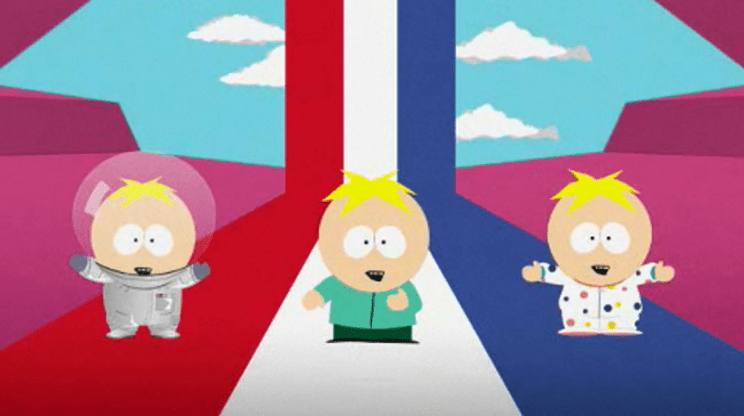
The article “South Park wins Lawsuits over “What What in the Butt” was based on a conflict between a singer and Viacom on a a short video clip that was being used in one of the episode entitled “Canada on Strike” of South Park by Brownmark Films. Later the judge in light of the “Fair Use” of Copyright act said that “Anyone who views the South Park episode in question will realize that the show was trying to lampoon the recent craze in our society of watching video clips on the internet that are — to be kind — of rather low artistic sophistication and quality.”

The judge then applied for four factor test of “fair use” and determined that a clip that lasts less than a minute in a 25-minute episode was not terribly substantial and would not ruin the Brownmark’s market enjoyment of its video.

The “Fair Use Doctrine” shares a Copyright act which provides a framework for determining whether something is a fair use and identifies certain types of uses such as criticism, comment, news reporting, teaching and research as examples of activities that may qualify as fair use.

For this week’s news article, I am going to share a Fair Use Week news which was celebrated in February 2020.

https://copyrightalliance.org/news-events/copyright-news-newsletters/fair-use-week/#:~:text=Fair%20Use%20Week%202020,the%20progress%20of%20creative%20expression.