
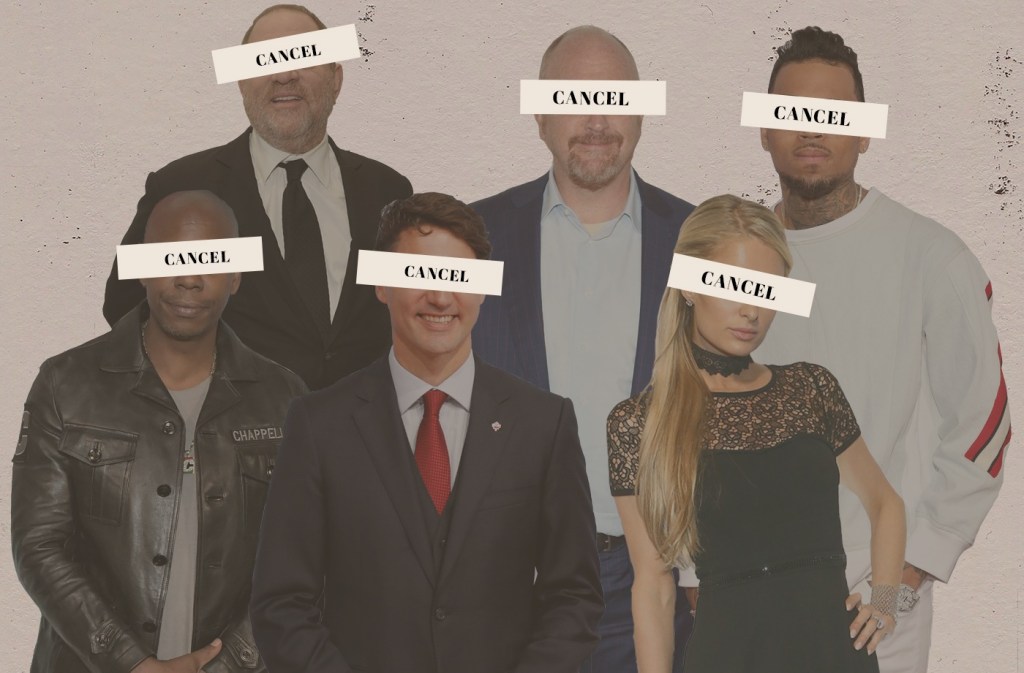
Cancel culture (or call-out culture) is a modern form of ostracism in which someone is thrust out of social or professional circles online on social media, in the real world, or both. Those who are subject to this ostracism are said to be “canceled.” As the use of social media increase in society, apps such as Facebook, Instagram, Twitter, Tumblr, Youtube provides a place where people can voice their opinions and gain followers and create content that they like for people to see. With this idea, it was not predicted that people would use social media as a place to bully and belittles people for what they think or believe and choose to let the public know. Social Media has become a dangerous place where people use freedom of speech as an opportunity to try to hurt others.
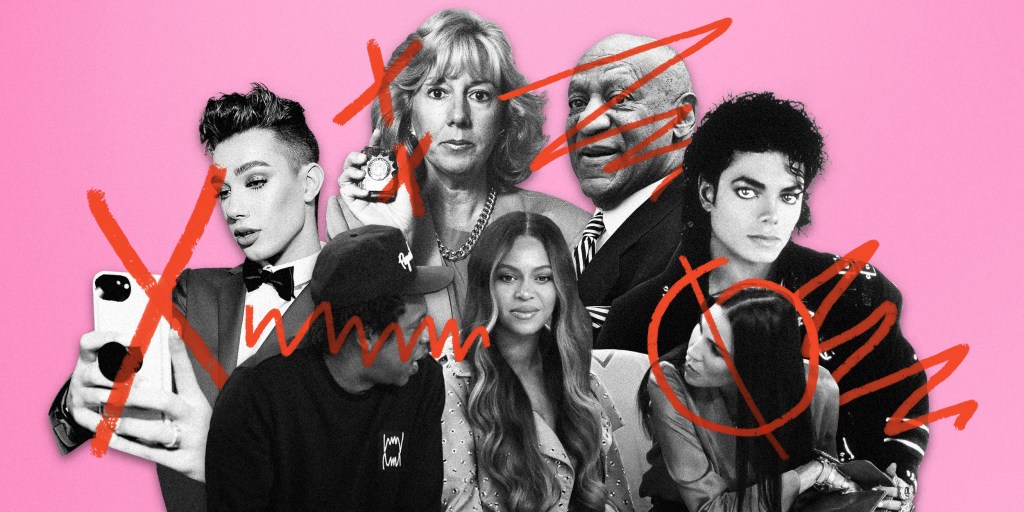
In the article “10 Theses About Cancel Culture”, Ross Douthat explains that one form of canceling someone that can be seen on a normal day is “Cancellation, properly understood, refers to an attack on someone’s employment and reputation by a determined collective of critics, based on an opinion or an action that is alleged to be disgraceful and disqualifying… if your critics are calling for you to be de-platformed or fired or put out of business, and especially if the call is coming from inside the house — from within your professional community, from co-workers or employees or potential customers or colleagues, on a professional message board.” Someone can say or do something that can jeopardize their job reputation and the only way to defuse the situation is to fire them. There are things that should not be said or done that as a collective people can deem as unexpectable and out of hand. They say things along the line “ We can’t have that type of behavior at our company”. From there the person is considering you an outcast if others find out. As a normal person, you are able to move on from the situation and start over somewhere else, but being someone in the limelight, the situation would be different.
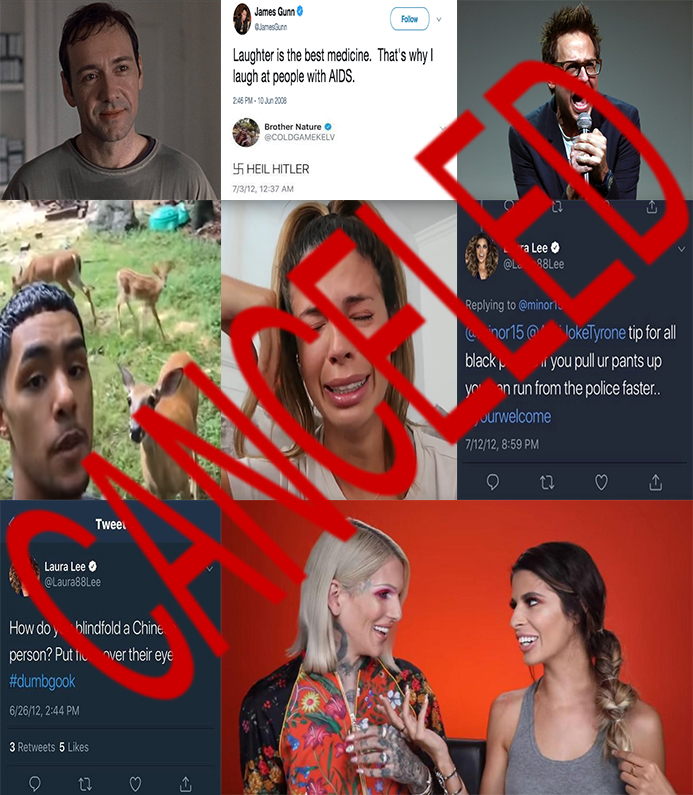
Another way a person can get canceled is “You can be canceled for something you said in a crowd of complete strangers if one of them uploads the video, or for a joke that came out wrong if you happened to make it on social media, or for something you said or did a long time ago if the internet remembers. And you don’t have to be prominent or political to be publicly shamed and permanently marked: All you need to do is have a particularly bad day, and the consequences could endure as long as Google.” As a celebrity, these types of situation can determine whether your fan still follow you or not because celebrities have an image to uphold. One slip up or mistake can have people all in your business and ready to judge you. When it comes to the idea of the pick being rich or famous, I will always pick being rich because being famous comes with the media to watch each and every move and creating a story about it. People will always have something to say about the decision you make or have expectations. Your life is out in the public for people to follow and admire and be entertained by.
For celebrities or someone made famous for an act, social media can become a dangerous place when you are caught doing something you should not be doing, like cheating or using racial slurs, or being accused of sexual assault. People all around the world find out about it and you are being attacked and criticized for your actions. People would take the act personally and use their freedom of speech to criticize you and even go to the extreme to send death threats. Imagine people you don’t know threatening to kill you for making mistake or doing something you wanted to do. I feel like it is not the place of people to judge someone for something they did without knowing the whole story or assuming. Sometimes the media makes up information just have something to say that would gain attention. In the case of Monica Lewinsky, who President Bill Clinton admitted to having had an affair with while she worked at the White House in 1995–1996, she was canceled before the term “canceled culture” was invented. Here is a Ted Talk of Monica Lewinsky coming forth talking about her experience with everything that happened with the president and the media and how it changed her life and why she is coming out now to talk about it after all these years.
The situation Monica Lewinsky was in, put her life in danger becouse people in the media did not agree with her actions and she herself regretted doing what she did but there was no going back. With the support of her family, she decided that she would not end her life and would overcome this obstacle. An important line Monica said was “The more we click on these types of gossips the more we become numb to the human lives behind it and the more numb we get the more we click all the while someone is making money off someone’s shame”. This generation is losing its empathy and it is costing people well-being and ability to overcome mistakes and situations. People are willing to sell a story tearing someone’s life apart for a paycheck and not think about how that person would be affected by it.
Having your own opinion on whether you would like to “cancel” someone should be a personal decision and not because people as a collective have decided to. The idea of distinguishing a creator from their art (such as music, art, movies and more) should be something people should consider. Music, art, movies and books are part of our lives and can create a nostalgic feeling that can’t just be dismissed. The creator himself or herself should have legal consequences if what was done was done was that extreme but punishing other people for continuing to support a creation is wrong.
Work Cited
Douthat, Ross. “10 Theses About Cancel Culture.” The New York Times, The New York Times, 14 July 2020,www.nytimes.com/2020/07/14/opinion/cancel-culture-.html. Lewinsky, Monica.
“The Price of Shame.” TED, http://www.ted.com/talks/monica_lewinsky_the_price_of_shame?language=en.




 SOCIAL MEDIA & SOCIETY