A New Perspective in 2020

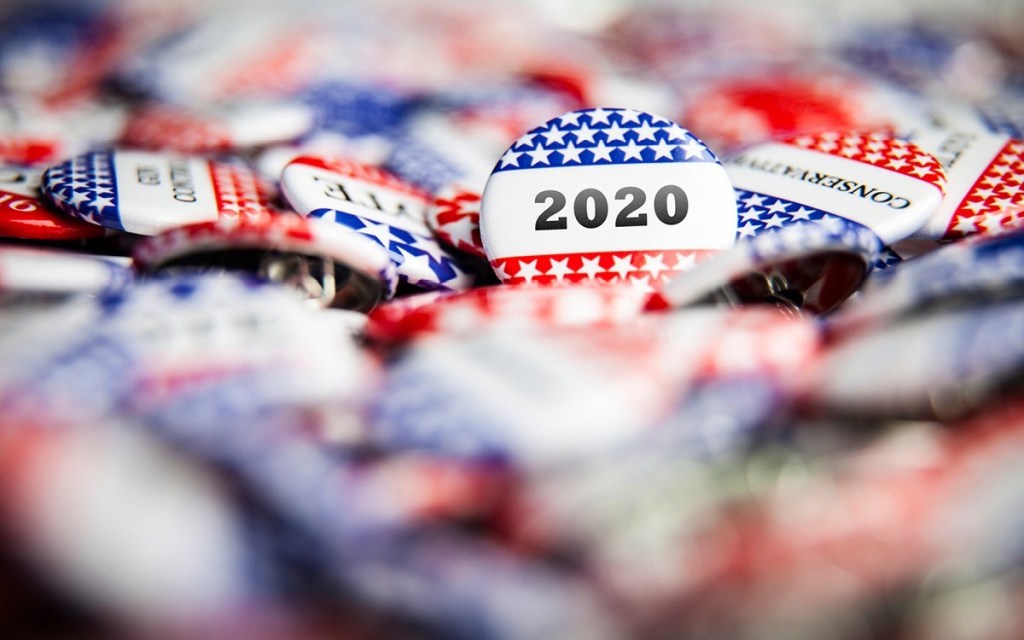
As the leaves continue to fall and temperatures continue to drop, winter is not the only storm brewing. The last few months have encapsulated a fierce battle to the Presidential election. The 2020 Presidential election may go down in history as one of the most important and influential elections of the 21st century. President Trump and Vice President Pence squared off against the democratic nominee Joe Biden and his running mate Senator Kamala Harris of California. Donald Trump defeated Hillary Clinton in the 2016 election while Joe Biden served as the Vice President under the Barack Obama administration. The two parties share different ideals and policies. However, both guaranteed a stronger and safer tomorrow.

I found myself torn between the ideology of my parents and developing my own political views. I find myself more as an independent and willing to back a candidate with similar morals rather than identifying with a candidate based on a certain political party. This was the first election I participated in and will not be my last. Some individuals believe their votes aren’t counted or calculated and the electoral college is strictly against popular election for the presidency. Statements like these are however false, and an inaccurate jab at our free-democratic society.

At certain points on the road to the election, Democratic and Republican parties did not carry and conduct themselves in a political manner. The debates and rallies were dominated by shouting and outlandish statements. I would not go as far and say the politicians ran a smear campaign, but it was damn close.
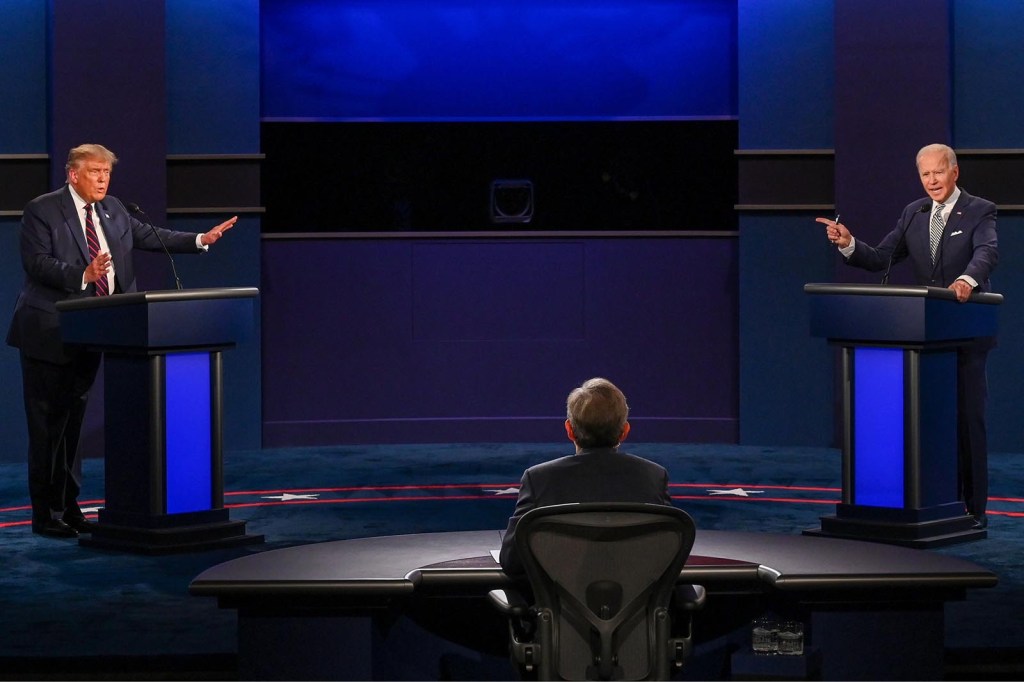
The first Presidential debate, held on September 29th, was a terrible example of how men of power should act on national television. The debate became so chaotic, Democratic representative Biden stated, “Will you shut up, man?” (FLAPOL Paragraph 2) and “I’m not here to call out his lies. Everybody knows he’s a liar,”(FLAPOL Paragraph 3). President Trump made similar comments such as, “It’s hard to get a word in with this clown,”(Paragraph 6) and “I’ll tell you Joe, you could never have done the job that we did. You don’t have it in your blood,”(FLAPOL Paragraph 8). The constant arguing and bickering between the two men was consuming and taking away crucial time in the debate. The news anchor and journalist Chris Wallace was the designated moderator for the first debate and held most of the responsibility. Wallace was unable to control the conflict and tried to stick with the script and questions at hand. The CBS news reported, “The first presidential debate was a series of bitter exchanges and name-calling, with the president repeatedly speaking over his Democratic rival and the moderator struggling to maintain control of the 90-minute affair,”(Paragraph 1). Personally, I found this first debate to be rather embarrassing. There was little actual insight gained about the candidates and their responses to serious issues such as social injustice or the pandemic. Their inability to act in a civilized manner and side comments left me deeply troubled.
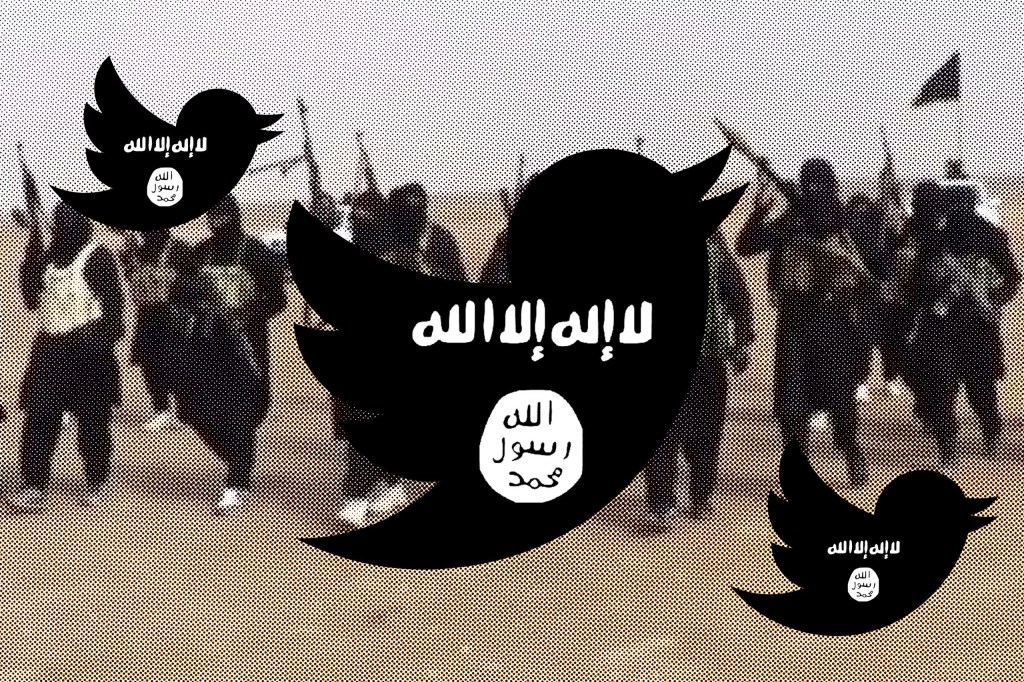
I began to worry how foreign countries would view our national dilemma. To me, the high tensions and spread of Covid-19 across the country made us an easy target. I believe communist superpowers such as China and Russia would look at our election and division as a moment of weakness and opportunity. The growing division of our country is correlated and backed by countries such as Russia. The Russian government published controversial topics on media platforms to pin Americans against one another. ISIS has also used similar techniques to post propaganda on social media. These terrorist syndicates promote violence and messages of destruction around the world. Social media and the internet in general has been molded into a new form of web warfare. Censorship is another key issue surrounding American society today. The People’s Republic of China controls all content and what is “acceptable media” for their citizens. Any allegations against Chinese legislation is unlawful and may result in severe punishment.
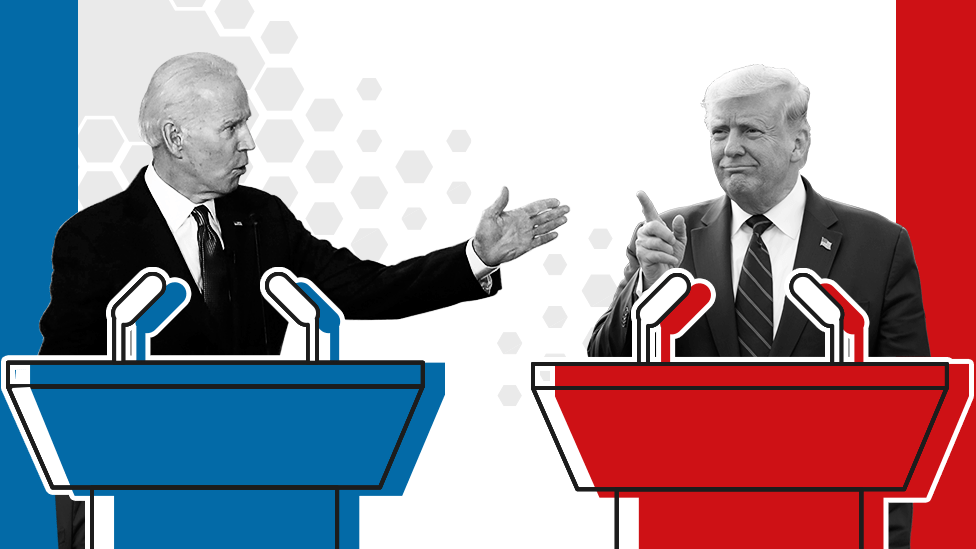
The second Presidential debate was held on October 22nd. In my opinion, in the final debate the two candidates were much more controlled and restrained. The debate covered policies ranging from the economy to the impact of Covid-19. The Los Angeles Times reported, “It was a drastic change of tone for the president who during the first debate bellowed over Biden,”(LAT Paragraph 6). The Los Angeles Times also said “The comparative order meant Biden was finally free to talk policy and character, while Trump delivered the usual whoppers…”(LAT Paragraph 7). The second debate was well managed and much more controlled compared to the first debate.

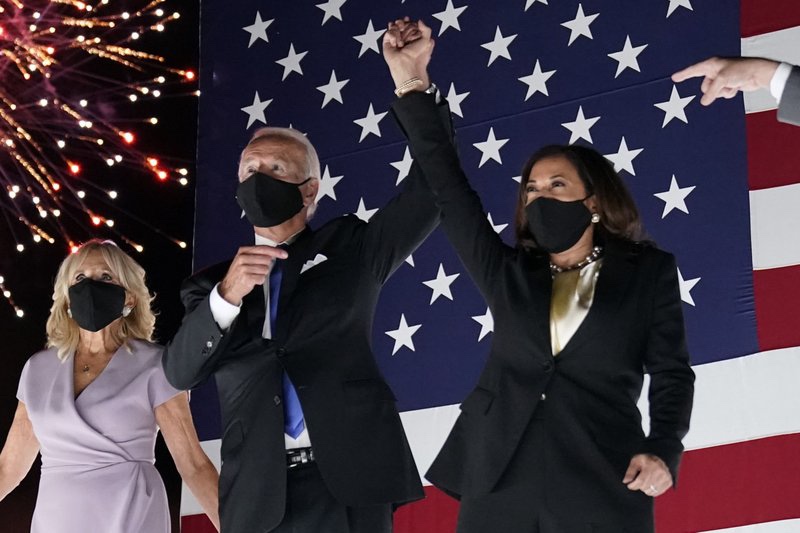
It then came down to the people to elect the 46th President of the United States. Joe Biden won with 306 electoral votes while Donald Trump rallied a total of 232 votes. The President was baffled by these results and called for a recount. The President to the indicated that if he lost the election, he would challenge the polls. He is well within his right to do so. However his legal team has not gained much headway, as President elect Biden has begun to nominate members of his cabinet. An excerpt from the British Broadcasting Network stated, “Donald Trump has agreed transition moves must start and Mr Biden will now get a top secret intelligence brief,”(BBC Paragraph 4). While Biden released the statement, “It’s a team that reflects the fact that America is back.” Trump starting to concede gives me hope for reconciliation among our nation. It is a humble step in the right direction, and we are in need of a small victory.
Published by: Samuel Erickson

Work Citied:

Press, Associated. “Face-to-Face Anger: Donald Trump, Joe Biden Lash, Interrupt Each Other.” Florida Politics – Campaigns & Elections. Lobbying & Government., 30 Sept. 2020, floridapolitics.com/archives/370867-trump-biden-first-debate

Watson, Kathryn, et al. “First Debate Descends into Chaos as Trump and Biden Exchange Attacks.” CBS News, CBS Interactive, 30 Sept. 2020, www.cbsnews.com/amp/live-updates/first-presidential-debate-trump-biden-wrap-up-moments/

Ali , Lorraine. “Review: The Final Trump-Biden Debate Was an Exercise in Exasperation.” Los Angeles Times, Los Angeles Times, 23 Oct. 2020, www.latimes.com/entertainment-arts/tv/story/2020-10-22/commentary-final-presidential-debate-tv-commentary?_amp=true

“US Election 2020: ‘America Is Back’, Says Biden as He Unveils Team.” BBC News, BBC, 25 Nov. 2020, www.bbc.com/news/election-us-2020-55057751
The Last Hoorah

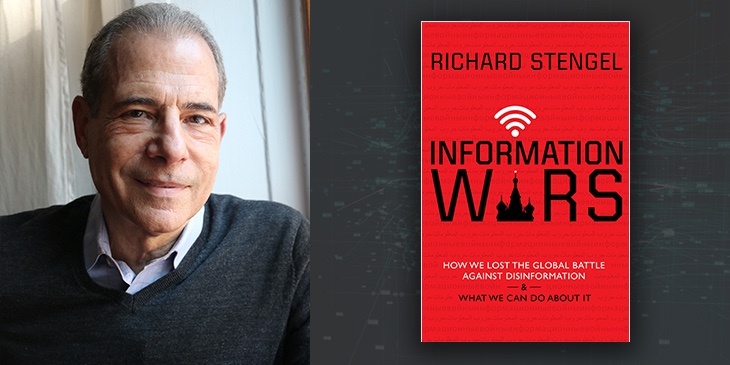
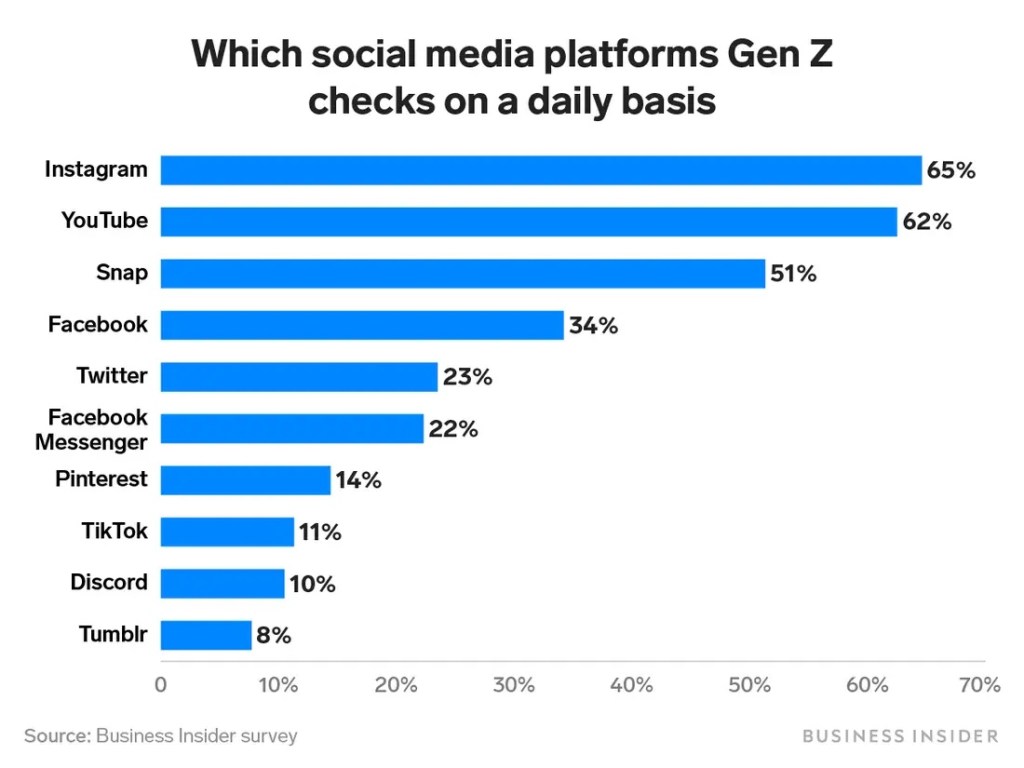
The thirteenth week of Social Media & Society has introduced us to our last book presentation Information Wars: How We Lost the Global Battle Against Disinformation by Richard Stengel. We also watched Social Media Dependency Silicon Valley: Minimum Viable Product, discussed the overall data and influence of several different generations. Group five’s interpretation and feedback on Stengel’s book was extremely relevant to society today. The impact of disinformation from Russia and terrorist syndicates such as ISIS have plagued social media and silently influence an entire generation. Media platforms have activated a new cyber war on the web that is far from over. I believe in fact we have only scratch the surface of technologies potential but face growing threats of its abuse or misuse.

American editor Richard Stengel

Generation Z (my generation) has several different qualities and dynamics. This generation covers the mid-to-late 1990s through the early 2010s. One quality I believe to be bestowed upon us is lust for education or knowledge. We are a generation growing and developing in uncertain times. Between the pandemic and social rights movement, we are constantly evolving and adjusting new perspectives. Another dynamic of our generation is diversity. We vary both culturally and ethnically. I believe generation Z is more accepting of diversity and equality. Generation Z is also associated with the rise of technology. Our usage of social media and constant communication over platforms is a daily occurrence. Generation Z wants authentic genuine brands as well. We engage with content and trends that interest and capture our attention. Lastly generation Z has been smothered with Covid -19. However, how we handle and continue to move through this pandemic will be our true judgment of character.

There are also negative attributes associated with this generation. Generation Z was burdened with an economic recession which may have affected families financials. We are linked to borderline obsession with social media and a much lower percentage in reading compared to prior generations. We also are known as a generation that is constantly stressed and dealing with depression. Emotions such as anxiety and panic have become problematic for individuals today. Lastly, generation Z struggles to handle serious issues around the spectrum. From mass shootings, immigration and individual acts of violence, we viewed and struggled to handle these matters. Much like Covid-19, it’s hard to blame a generation for a pandemic. However, how we confront these challenges will be a testament to our authentic behavior.

The concise Talk Space clip was moving and a reflection of social media. Strangers on the street shared their thoughts and experiences of media platforms. Some were adapting to new frontiers as others were overwhelmed with information. The Talk Space theory wants users to understand their true worth, not likes or pictures on a screen. Technology and media are great tools to expand our horizons and develop new forms of communication. However, we need to understand social media’s true potential before wrong intentions destroy beautiful inventions.

Published by: Samuel Erickson

Weekly News Article: 10 Defining Characteristics of Generation Z was published by Dave Clark on his TTI blog. This may not be a reputable source, but I believed Clark’s perspectives and insights on what truly motivates generation Z was accurate. His use of a blog to display his opinions also captured my attention and drew me in further. It’s been a pleasure Dr. Schlegel, till next time…

https://blog.ttisi.com/10-defining-characteristics-of-generation-z

Not Your Usual Christmas Story & The Affects of Emojis

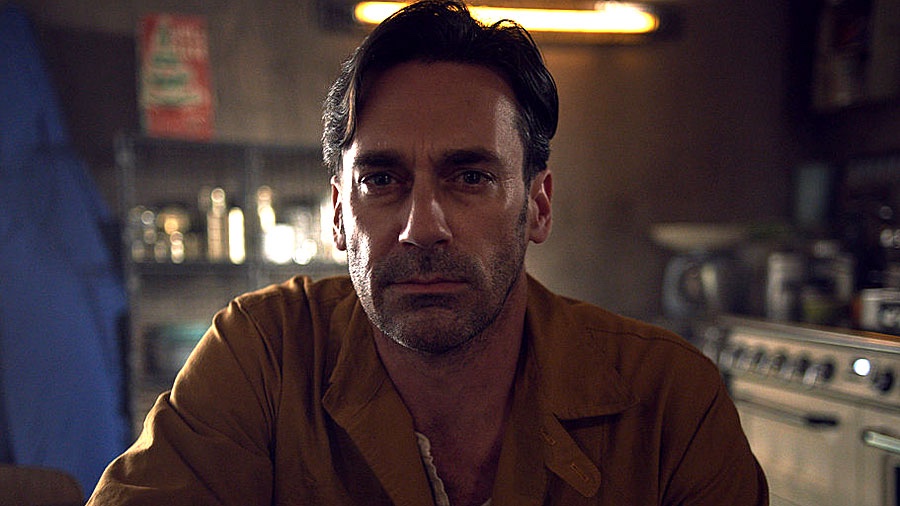
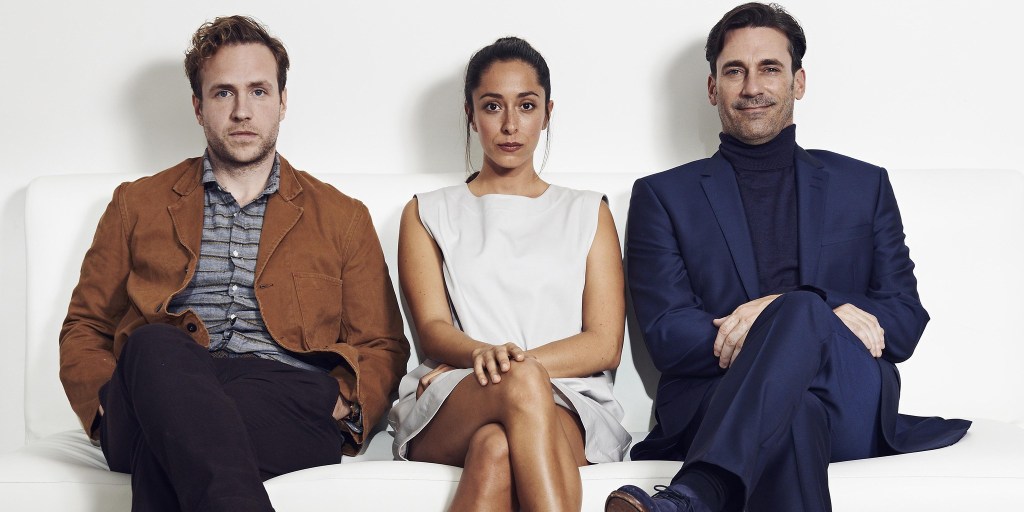
The twelfth week of Social Media & Society has introduced more interesting and controversial topics. We viewed another fascinating Black Mirror episode: White Christmas and read an article from The Atlantic: Emoji Don’t Mean What They Used To. The Black Mirror episode started Jon Hamm as Matt Trent, Rafe Spall as Joe Potter and Natalia Tena as Jennifer.

Matt Trent (Jon Hamm)

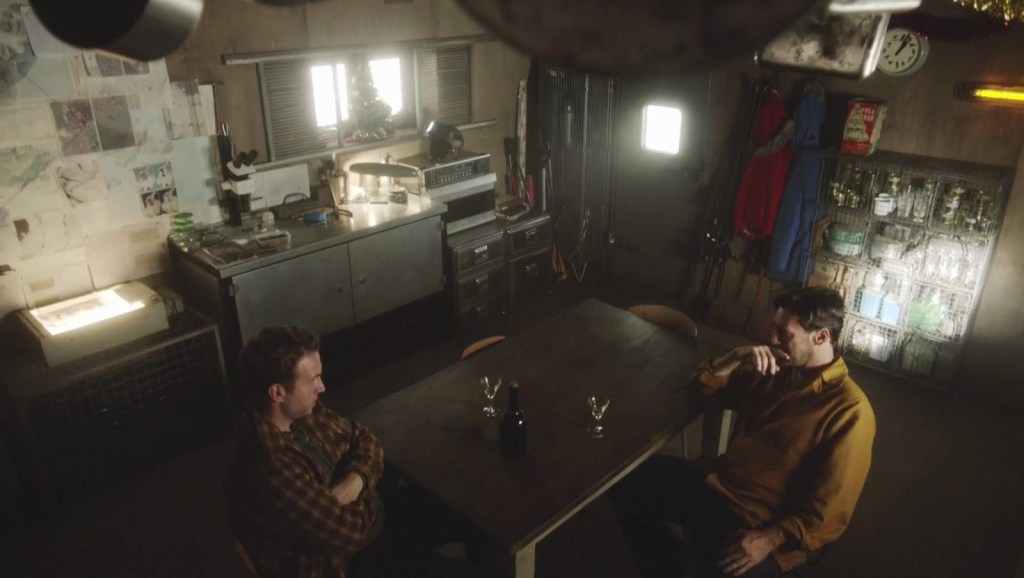
The episode began on Christmas morning, as Joe awoke to Matt cooking potatoes and drinking scotch or brandy in the cabin’s kitchen. Matt confronted Joe about his silence over the last five years in their shared living quarters. Matt opened up and shared how his hobby, hooking up awkward singles, went terrible wrong. Matt and his colleagues would use the “Zed Technology” to break the ice and keep the conversation flowing. One of Matt’s clients pursued a women who turned out to be mentally ill. After returning to her place, she mistook his conversations through the Zed Technology as a symbol to take both their lives. Matt quickly disposed of the evidence, but inevitably destroyed his relationship with his significant other. Matt also discussed his occupation of implanting and training cookies for people in this advanced era. The digital clones monitored and assisted with daily tasks for their “real self”. Matt can also fast forward the clones timeline; effectively breaking their will with boredom and slaving for their “real self”.

Joe eventually starts to open up about his uncomfortable and unfortunate past. He considered his relationship with Beth to be happy and healthy. However in Beths eyes, an unexpected pregnancy has pushed her far away from Joe. She considered abortion and can’t stand to be in Joe’s presence. After a fight, Beth blocks Joe and flees their house. Joe was distraught and lost without his pregnant fiancée. She vanished from his life and with the block in effect, Joe has no way to communicate or contact her. On Christmas Eve, Joe made it a tradition and travelled to Beth’s father’s house to spy on his child. Years later, Beth tragically dies and the block is removed. Joe sees this an an opportunity to final meet his daughter and deliver his gift directly. As he enter his fathers house he discovers that Beth had an affair with their best friend and work colleague; he was not the child’s father. In a confrontation with Beth’s father, Joe struck him with a snow globe, killing him, and drove away from the murder scene. The little girl found her grandfather and set off into the snowy wilderness to get help. She froze to death and died shortly after.

After Joe confesses to the murder, the dramatic scene ends with Matt leaving a cookie with Joe’s clone. Matt made a deal with law enforcement to avoid imprisonment for his role in the death of his “dating client”. However he is a registered sex offender and permanently blocked by everyone.

Oona Chaplin (middle)

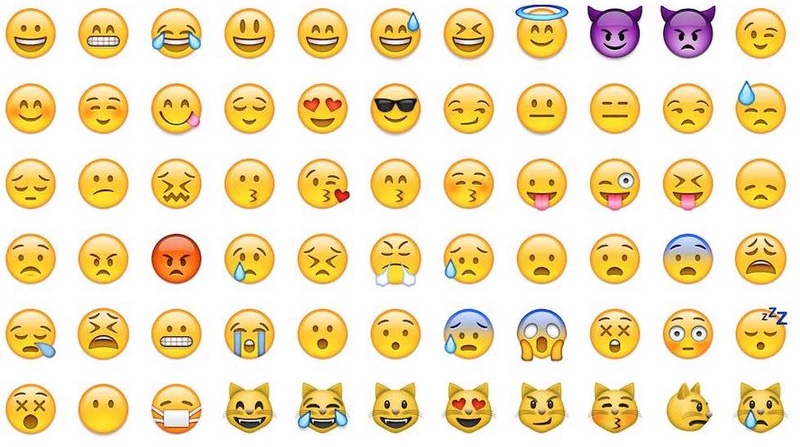
The originally emoji, was created by the Japanese for cellphones by the telecom NTT Docomo in 1999. Sense then, emojis have taken new forms and representation across the globe. Emojis are continuing to grow and become more specific. These emojis can also symbolize and take on new ideas or meanings. The Atlantic stated, “The That power continues with today’s higher-resolution versions. A skull (💀) almost never means that the speaker has a braincase in hand, Hamlet-like, but rather offers an ashen reaction or a lol, I’m dead sentiment”. I found this quote particularly relevant to my generation and culture today. These emojis honestly can take on several different identities and impacts.

Several different example of emojis

Published by: Samuel Erickson

Weekly News Article: My Domain and Gabrielle Savoie published an interesting article on the amount and affects of social media on our love lives.

https://www.mydomaine.com/how-social-media-affects-relationships

The Newsroom & Mobile Terrorism

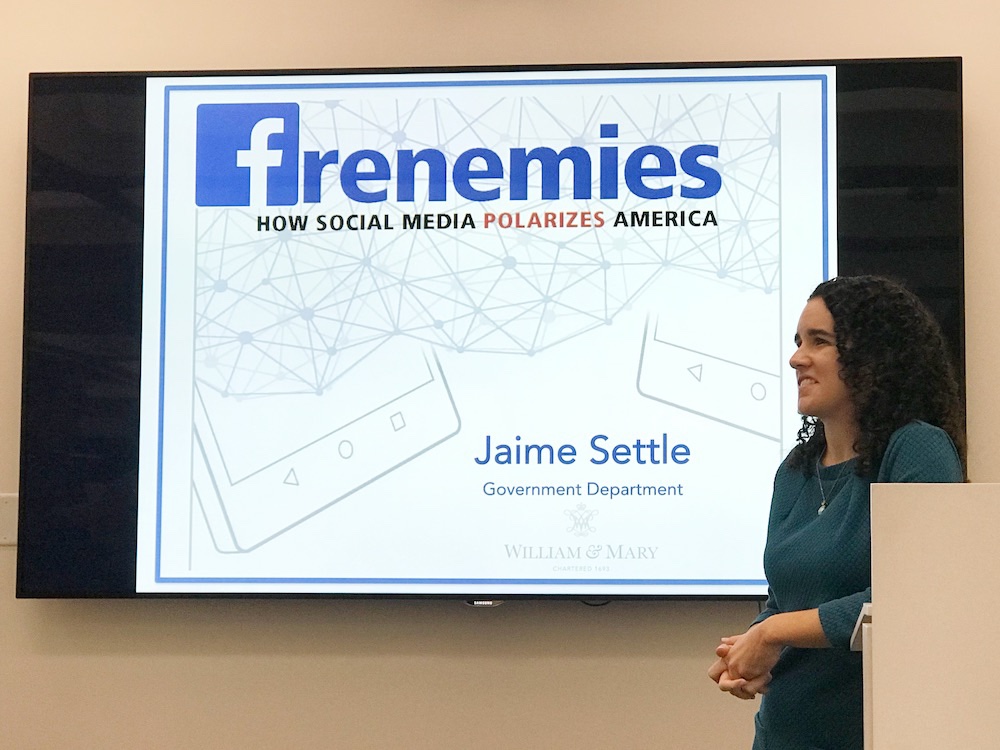
The eleventh week of Social Media & Society has delivered another informative and creative presentation by group four covering Frenemies: How Social Media Polarizes America, by Jaime Settle. Group four did a fabulous job at displaying Settle’s perspectives and message throughout her book. She presented her well executed scrutinization on the central idea of Facebook. Throughout the week we also discussed and viewed Social Media Networks Are the Handmaiden to Dangerous Propaganda and The Newsroom “Boston” episode. David Patrikarakos and the New York Times discussed the correlation between ISIS propaganda and serious acts of terrorism. Lastly, The Newsroom recreated and covered the terrible events that transpired on April 15th, 2013 and the following days that transpired in Boston Massachusetts.

Jaime Settle giving a presentation regarding her book, Frenemies

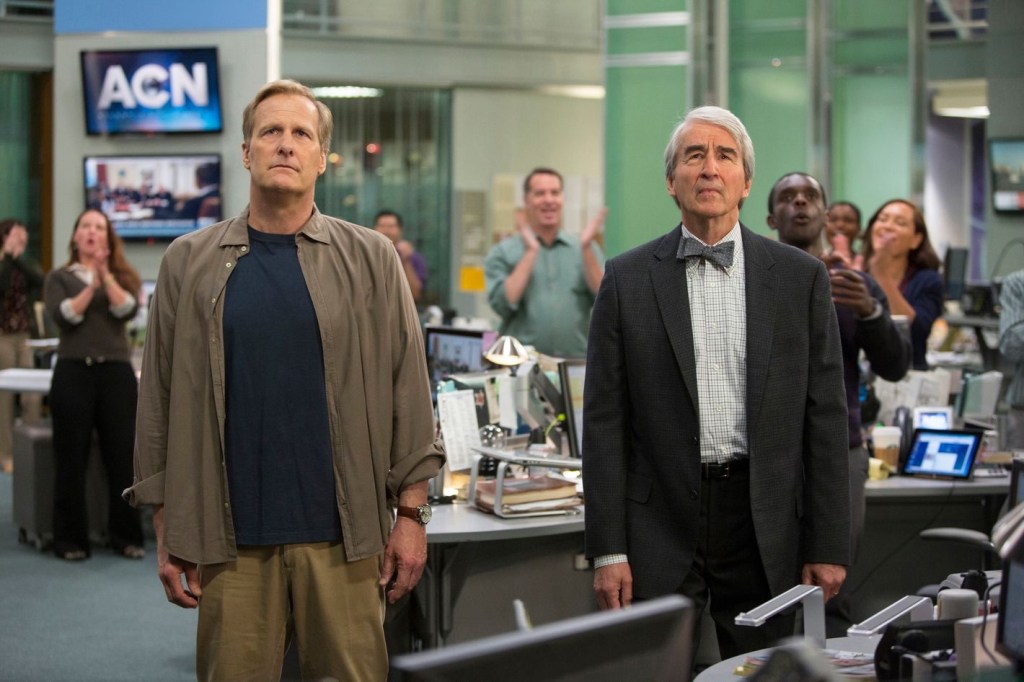
The Newsroom season three episode one, was created and written by Aaron Sorkin, and stars Jeff Daniels as Will McAvoy. The episode begins with the entire newsroom viewing the explosion at the Boston Marathon. The Atlantis Cable News (ACN) is completely taken back and scrambles to find the facts and gain the upper hand on the story. The ACN gains knowledge about the detonation of two separate bombings. The producer decides to sends reporters into the field in Boston. Will McAvoy addresses the nation and continues to cover and investigate the suspicious events involved with the terrorist attack. As several days pass by, the nation beings to grow worrisome as the ACN addresses the false accusations against two men. On day four, one police officer at Massachusetts Institute of Technology (MIT) had been killed in a shootout. A car chase proceeded and one of the two bombing suspects had been shot and killed. The entire city of Boston turns towards a massive manhunt for the second suspect. The media keeps close attention to new leads regardless if the information is true or misleading. The ACN provides creditable sources regarding the events unfolding in the city. At the end of the episode, the cast discovers information regarding the second suspect. He was identified hiding in a covered boat in an individuals backyard. The Newsroom also becomes aware of a hostile take over of the company.

Jeff Daniels (left), Sam Waterston (right)

Social media platforms today have become a serious weapon of influence to terrorist organizations such as ISIS. ISIS material has been identified and viewed on Facebook, Twitter, Google and YouTube. These syndicates have a sophisticated network that targets advertisements that stand out and attract individuals surfing online. The terrorists calculate algorithms and in which to feed us content to keep users as long as possible on their platform. The more people that participate and pass through these applications, the more successful their message spreads. There needs to be clear legislation that protects and prosecutes offenders on social media platforms. Social media platforms are accessible globally and required strict guidelines to combat negative propaganda. I believe the United States and other members of the United Nations need to address these issues before it becomes out of hand. Disinformation is steadily flowing into our media platforms and festering in our society.

Published by: Samuel Erickson

Weekly News Article: The Washington Post discussed the correlation between social media and terrorism. These acts of terrorism are generated in hope to receive attention towards their cause. However, it also created something much more.

https://www.washingtonpost.com/opinions/2019/03/16/why-social-media-terrorism-make-perfect-fit/

The Reality of Social Networking

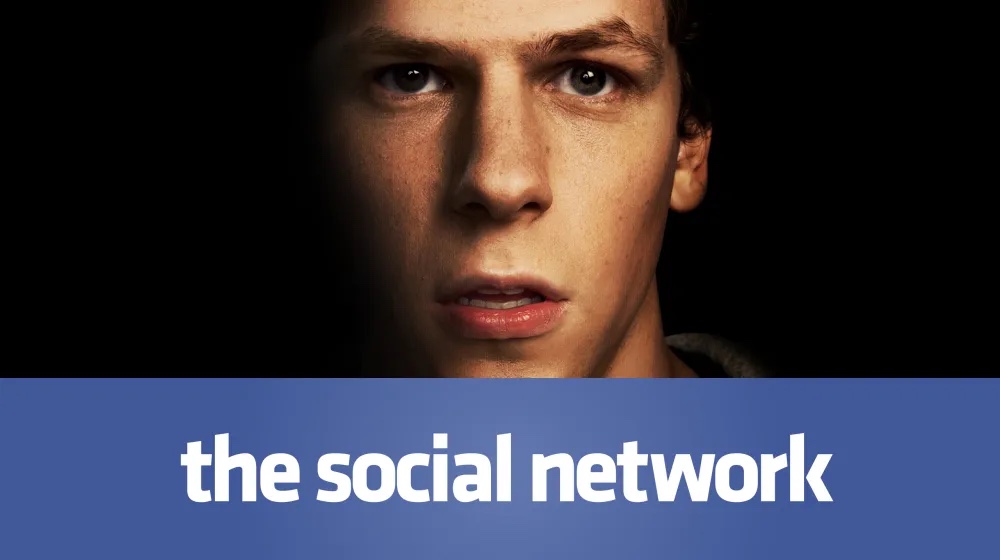
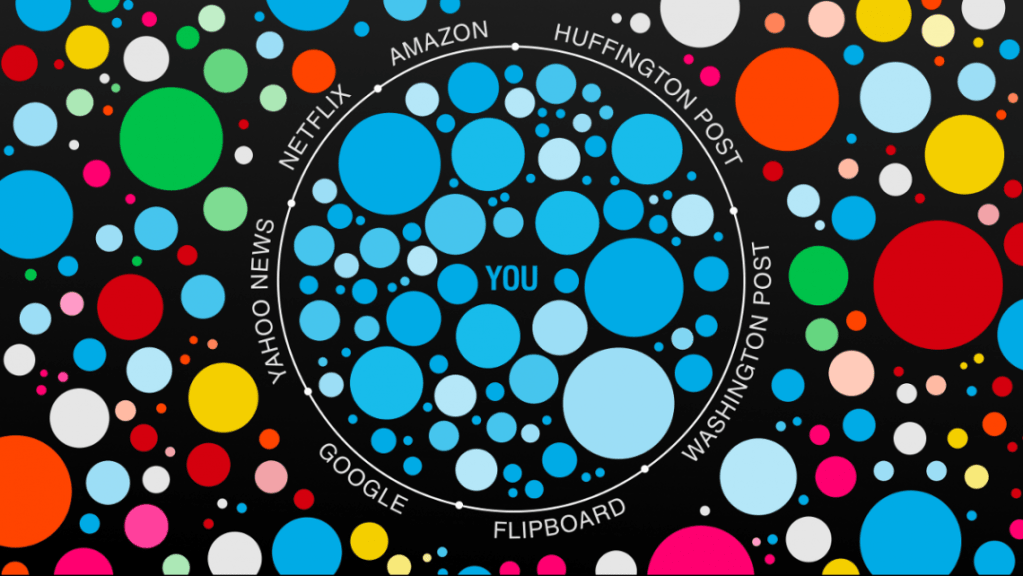
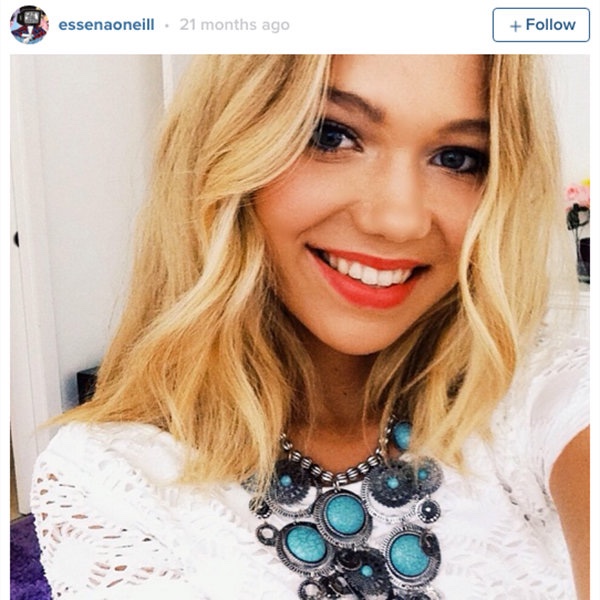
The tenth week of Social Media & Society has introduced us to The Social Network, Beware Online “Filter Bubbles” and Essena O’Neill’s perspective on Instagram. The film covers the journey of Mark Zuckerberg and his rise to fame. Essena O’Neill explains why she deactivated her Instagram account while the TED Talk discussed how filter bubbles are neglecting our ability to be exposed to information that could challenge or broaden our worldview.

The Social Network was released in 2010, written by Aaron Sorkin and direct by David Fincher. The film stars Jessie Eisenberg, Andrew Garfield and Justin Timberlake. The film won three Academy Awards: Best Adapted Screenplay, Best Original Score, and Best Film Editing. I found the film fascinating and thrilling. From Zuckerberg’s small beginnings to his billions, he impacted the nation and the globe. His creation or theft (depending on our perspective) was insurmountable and became what we know today as Facebook.

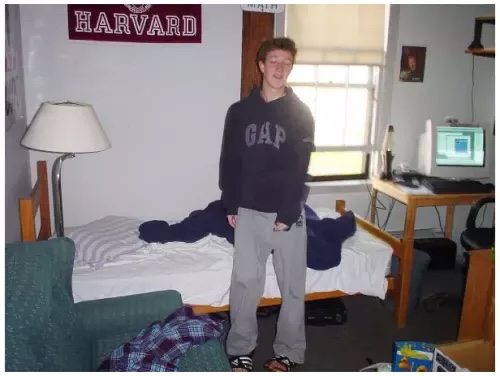
Mark Zuckerberg as a Sophomore, Harvard University

A young Mark Zuckerberg (Jessie Eisenberg) was attending Harvard University when his heart was ripped apart by his previous girlfriend, Erica Albright. Returning to his dorm, Zuckerberg writes an insulting entry about Albright on his Live Journal blog. He creates a campus website called Face-mash by hacking into college databases to steal photos of female students, then allowing site visitors to rate their attractiveness. After traffic to the site overloads parts of Harvard’s computer system, Zuckerberg is sentenced six months of academic probation. However, Face-mash’s popularity attracts the attention of two individuals. Cameron and Tyler Winklevoss and their business partner Divya Narendra. The 4 individuals started collaborating together and debating about an idea of social networking, exclusively for Harvard students. The networking was aimed at establishing relationships and dating amongst college students. Zuckerberg approaches his friend Eduardo Saverin with an idea; a social networking website that would be exclusive to Ivy League students. Saverin provides a one-thousand dollar in funding, allowing Zuckerberg to build the website. The Winklevoss twins and Narendra are enraged, believing that Zuckerberg stole their idea while keeping them in the dark by stalling on developing their Harvard website. The three individuals raised their complaint to the President Harvard. However, there was no disciplinary action taken against Zuckerberg. Saverin becomes infuriated when he discovers that the new investment deal allows his share of Facebook to be diluted from 34% to 0.03% while maintaining the ownership percentage of all other parties. He confronts Zuckerberg and Parker, and Saverin vows to sue Zuckerberg before being ejected from the building. At end of the film, the Winklevoss brothers claim that Zuckerberg stole their idea, while Saverin claims his shares of Facebook was unfairly diluted when the company was incorporated.

Eli Pariser believed that the Internet exceeded our exceptions and had become everything that we all dreamed of. The internet as a whole has connected us all together, but we need it to introduce us to new ideas, new people and different perspectives. I believe that it is crucial for individuals to expand outside their norms and experience different forms of culture. No one wants to be know as the “arrogant American”, leave your comfort zone and expand your horizons. Pariser ended with the statement, “It’s (internet) not going to do that if it leaves us all isolated in a web of one.”

Essena O’Neill, an Australian teenager, has had enough of Instagram’s platform. She described the application as “contrived perfection made to get attention”. Her dramatic rejection of social media has won her praise amongst audiences and pushed her to create her own website. O’Neill stated, “The site will cover veganism, creative imagery with purpose, poems, writing, interviews with people that inspire me, and of course the finical reality behind deluding people off Instagram.”

Published by: Samuel Erickson

Weekly News Article: CBNC shares Mark Zuckerberg’s perspective and opinion about the upcoming election. Zuckerberg is worried about the increased risk of potential civil unrest associated with the November 3rd, United States presidential election.

Link:

https://www.cnbc.com/2020/10/29/facebook-ceo-mark-zuckerberg-risk-of-civil-unrest-around-election.html

The Final Debate & It’s Complicated

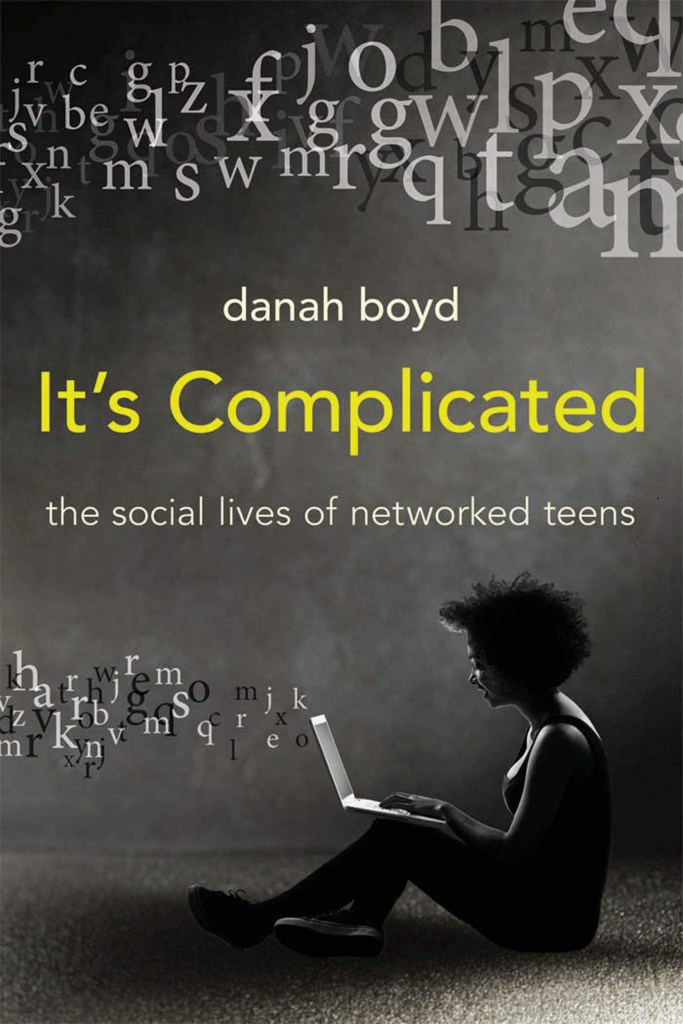
The ninth week of Social Media & Society has introduced us to political motives, fake news and The Newsroom. This weeks also included a book presentation by group three on It’s Complicated: The Social Lives of Networked Teens, written by Nada Boyd. Their presentation discussed how teens and young adults use and apply different platforms on social media. The read provides a sensible perspective based on her conversations from teens who actually use these applications, and not from theories. The book overall seemed very informative on teenager’s experiences with social media and Boyd weighed in on an important topic in society today. Group three was pleased with their read and recommended it for anyone searching from an intriguing thesis.

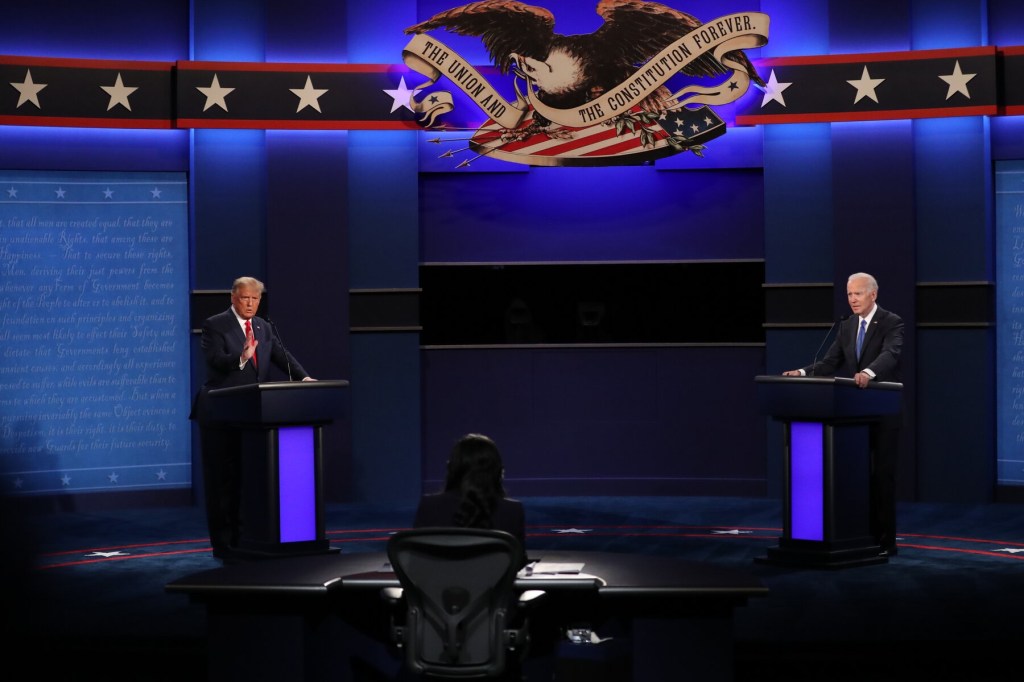
President Trump (left) and Democratic Representative Biden (right) squaring off in the final Presidential debate.

It is late October and the race to the Presidency is a national dilemma. The first Presidential debate was dominated by shouting and outlandish statements by both parties. The two men frequently interrupted and talk over each other. It reached a certain point where Democratic representative Joe Biden said, “Will you shut up man?”. Neither side was clearly able to address the moderators questions and give clarity viewers and voters. The second and final Presidential debate was held last night at 9:00 PM EDT. The two candidates, compared to the first debate, were much more controlled and restrained in the last debate. The candidates allowed each other to speak and used respectful tones. Even when they went on the attack, they did so in a calm, deliberate manner. As the debate progressed President Trump proclaimed a vaccine that he said would be ready “in weeks”. He offered personal testimony to the power of the new drugs to treat the disease and boasted the he was now immune. Biden used this opportunity and went on the Attack. He pointed out that Trump had repeatedly promised the disease would disappear on its own. He also said that America had lost 220,000 people and could possibly lose another 200,000 by the end of the year. President Trump also gloated about his criminal justice reform and funding for historically black colleges. He questioned why the former Vice-President did not accomplish more when he served under the Barack Obama administration. Trump said, “Why didn’t you get it done? You had eight years to get it done”.

Imbedded in media and in the news today, false information or disinformation is a serious issue. Companies and corporations today seem more concerned about their next check rather than informing their citizens. People in general are not being served the same media they were decades ago. These sources are not invested in the role the media is supposed to play in a free democratic society, which is to do genuine investigative reporting. I believe the only way we can return to true, factual information is not to become more authoritarian, but we can to revive our true sense of democracy.

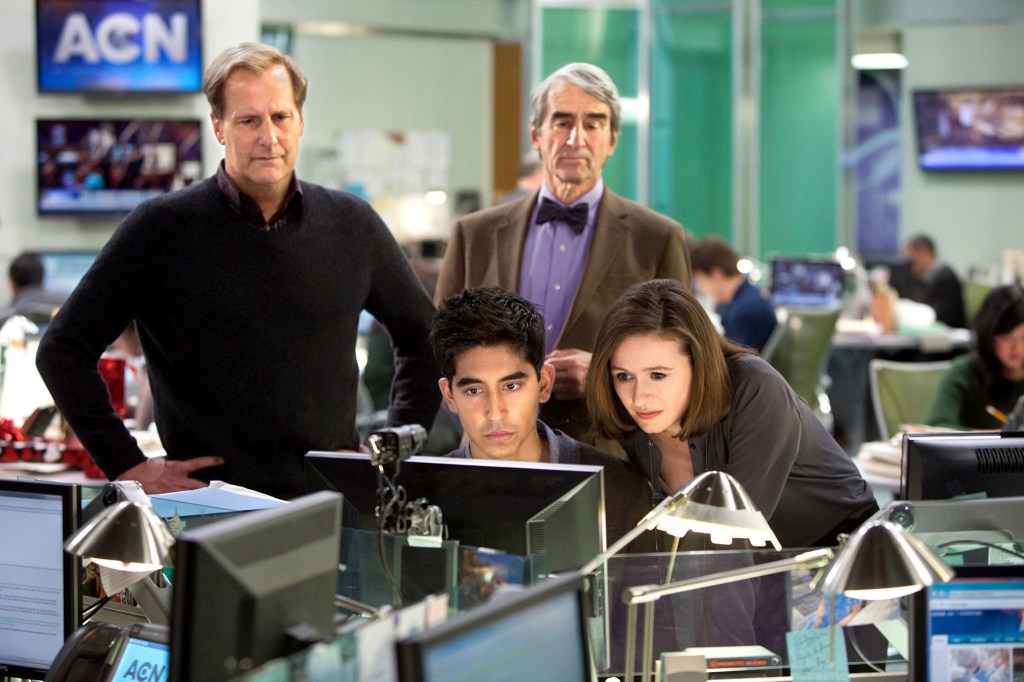
Cast from The Newsroom

This is not my first encounter with the series The Newsroom. Doctor Schlegel first introduced The Newsroom to me in Mass Media in American Life in 2019. This entire TV series is charming and electric. It tackles how news agency are drifting from hard news stories and saved by Will McAvoy (Jeff Daniels) and his team. I have only watched a few episodes but I trying to find time to watch each season through on HBO!

Published by: Samuel Erickson

Weekly News Article: The BBC News takes a deeper look at the statements made in the final 2020 Presidential debate. Are their allegations true or false ?

https://www.google.com/amp/s/www.bbc.com/news/amp/election-us-2020-54645608

Napster & The Concept of Privacy

The eighth week of Social Media & Society had introduced us to the film Downloaded: Napster Documentary and Douglas Rushkoff’s insight on Present Shock. We also discussed the concepts of copyright and privacy infringement laws. The Zoom call on Wednesday the 14th, deepened my knowledge on the influence of the internet and laws put in place to protect it.

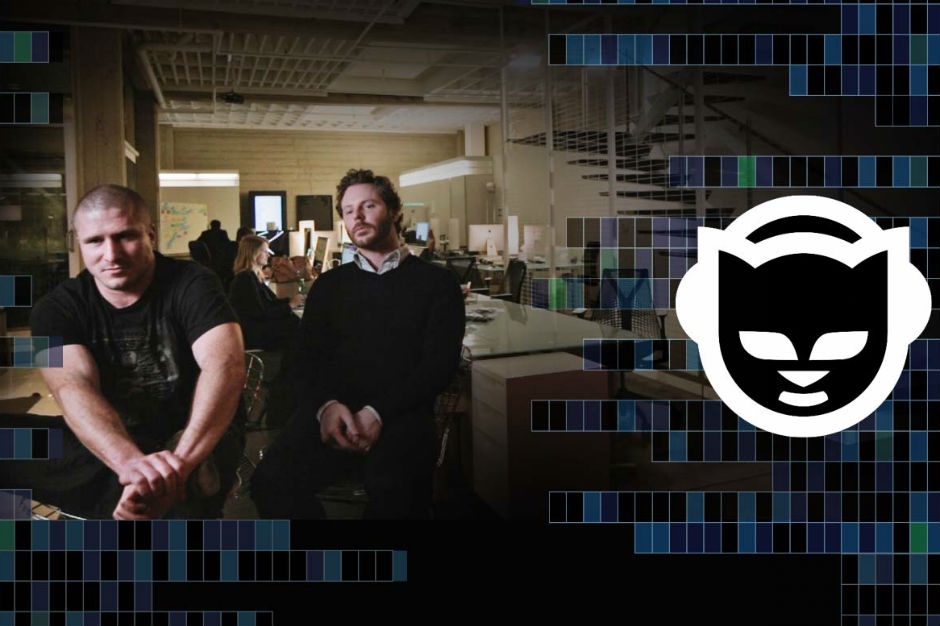
Shawn Fanning (left) and Sean Parker (right)

The film, Downloaded: Napster Documentary, covers the rise and fall of Napster. Napster was an online service founded in 1999. The founder, Shawn Fanning and co-founder Sean Parker, harnessed the Internet to enable people to trade favorite songs, share files and obtain basic communication over the internet. Their humble beginnings soon grew into a massive movement of sharing files and music. This was very troubling to the music industry because people where no longer purchasing music. Napster provided a free service of music to hundreds of thousands of people that grew to millions of registered users with the simple click of a mouse. Artists and the music industry in general lost an estimated 50 million dollars in revenue. Many record labels filed lawsuits against the Napster organization because they believed Napster’s filing sharing was illegal and violating the rights of their artist’s production. Napster, the software application that ignited the music file-trading frenzy, came to an end on July 11th, 2011.

Napster Brand/Logo

I believed that Downloaded: Napster Documentary, did an impeccable job at covering the lives of Shawn Fanning and Sean Parker. The film provides firsthand insight on the families and upbringings of these two men.The documentary also included several special guests that added crucial perspectives on Napster.

Before viewing the film Downloaded, I did not understand Napster’s overall impact on the internet. Napster took the internet by storm and had a major impact on the music industry. Their file sharing service was the first of it’s kind and attracted people from different demographics. Napster and its founders held the promise that everything the new medium of the internet encompassed: youth, radical change and the free exchange of information. But the younger generations would soon give way to reality as the music industry placed a bull’s-eye squarely on Napster. I understand why musicians and record labels were frustrated with the concept of Napster. These massive organizations and corporations lost millions in sales when Napster provided free, downloadable music. In this era constituted largely of CDs, records and radio. This new form of listening to music was overall easy to obtain and free! Lastly, I see how Napster’s revolution is still impacting music platforms today. Music has recently became more affordable and manageable for people to purchase music.

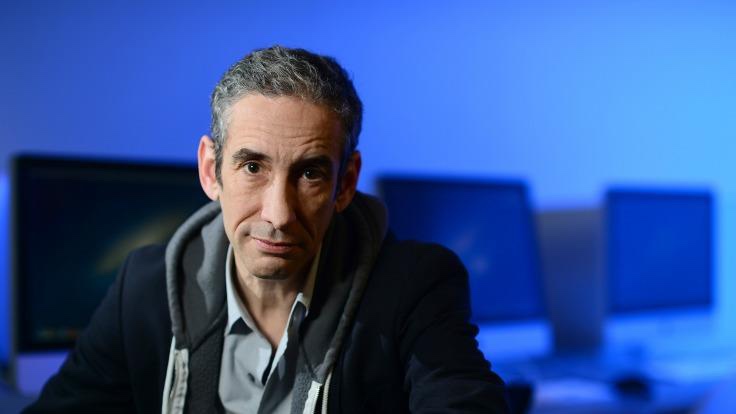
Douglas Rushkoff

Present Shock: When Everything Happens Now was written by Douglas Rushkoff and published in 2013. According to Rushkoff, rather than focusing on building a better future, society is primarily concerned with building a worthwhile present. Rushkoff addresses brands, pop culture, news outlets and political movements. He also paid particular attention to technology’s affects on modern humanity. Rushkoff references the effect of live news reporting and the emergence of pop culture to make sense of diminishing attention spans. The solution he provides is to allow viewers to insert themselves directly into the narrative, becoming a participant rather than a spectator.

Published by: Samuel Erickson

Weekly News Article: This article from Indiana University, takes an overall deeper look at the impact of Napster on the music industry.

Napster: The Black Market that Publicly Dominated the Music Industry

Sexting Panic & The Power of Protest

Our seventh week of Social Media & Society has introduced us to the protests of 2020, media’s direct influence and involvement in orchestrating activists and Zeynep Tufekci, Online social change: easy to organize, hard to win. These topics and discussions were ingrained into our discussions on Wednesday and sparked real conversations of change.

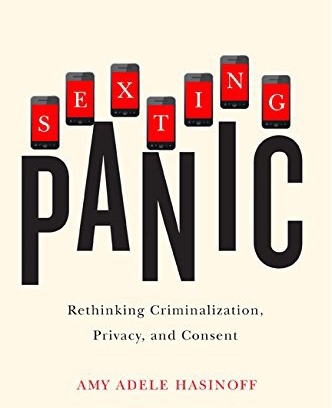
This week my group and I shared our interpretations of Sexting Panic, Rethinking Criminalization, Privacy, and Consent written by Amy Adele Hasinoff. Sexting Panic illustrates how anxieties about technology and teenagers experience with sexting distract from critical questions of social norms, regarding privacy and security of new media. Ms Hasinoff argued that in order to move forward in our understanding of sexting, we need to see it as an act of media production and not villainies young women as the escape goat. She covered the necessary grounds exceptionally well and brought a complex and difficult topic to light.

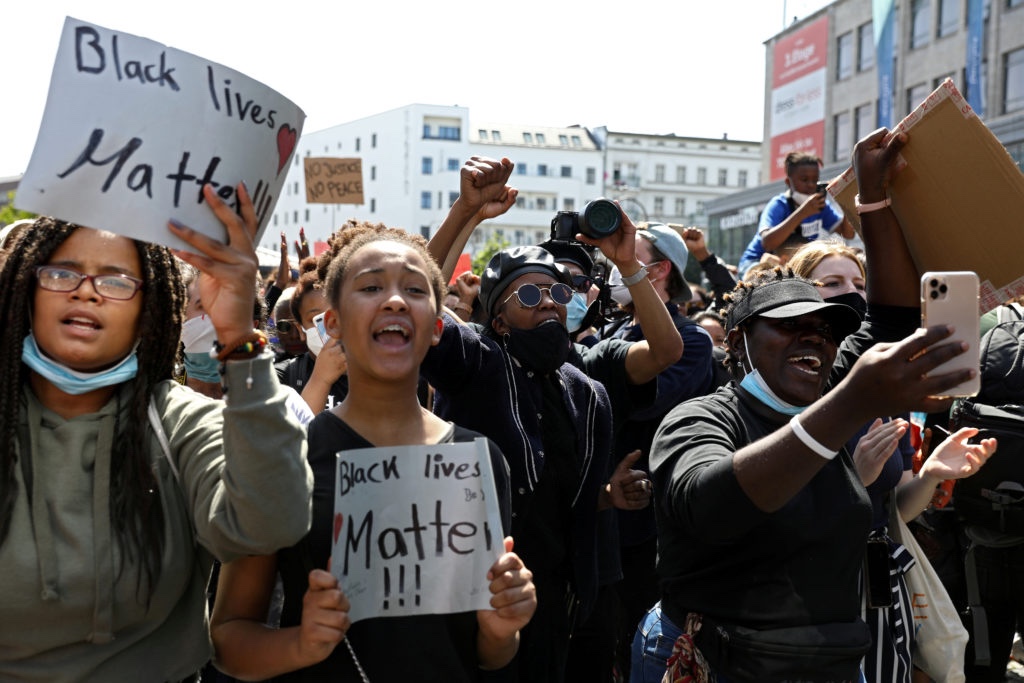
Organizations and activist groups throughout 2020 have taken a stance against social injustice and police brutality. Several incidents of police brutality and individual acts of violence against African Americans have been publicly displayed. These killings have received massive publicity and severe backlash against officers of the law. Police brutality has become a hot issue in the United States. The number of homicides committed by police in the United States is often compared to those in countries such as England, where the number is significantly lower. This comparison demonstrates the lack of training in some of our officers and negligence by all. Combined with the Covid-19 pandemic, this year has been a complete an utter mess.

The Black Lives Matter Movement, formed in 2013. There was an outrage against a not guilty verdict of George Zimmerman in the murder of Trayvon Martin. A Facebook post entitled “Black Lives Matter” captured a mood and sparked action. They have been a vocal part of the movement against police brutality in the U.S. by organizing marches and demonstrations in response to the killings of black men and women by police. While Black Lives Matter has become a controversial movement within the U.S., it has brought more attention to the number and frequency of police shootings of civilians. The Black Lives Matter movement has spread across the U.S. and around the globe, with massive protests in the UK, Europe, and Canada. The movement now includes many individuals from diverse backgrounds, who had previously not felt connected to the cause. Black women have also been at the heart of African Americans struggle for freedom. They have often times been painted over, however now is the time they are refusing to allow themselves to be forgotten.

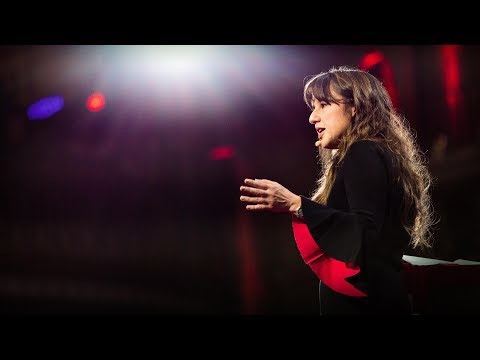
Zeynep Tufekci tackled tough questions regarding our society and the spread of digital connectivity. I found her perspective on the Civil Rights movement of the 1950s and 60s particularly interesting. The movement in Alabama 1955, was directed at the radically segregated bus system. African Americans were boycotting the busses and after the arrest of Rosa Parks, activists used the mimeograph to produce 52,000 leaflets. They then used the 68 African American organization to individual hand out each leaflet. These activists were able to organize a protest without the technological advancements we obtain today. This speaks to their dedication to their cause and true belief in their protest.

Published by: Samuel Erickson

Weekly News Gathering: The New York Times discussed the impact of the Black Lives Matter movement and their influence around the globe.

https://www.nytimes.com/interactive/2020/07/03/us/george-floyd-protests-crowd-size.html

The story of Edward Snowden and Leaks & Hacks

Our sixth week in Social Media & Society has introduced us to the film Snowden, the consequences of leaks & hacks and the 5 Worst Data Hacks. The class discussion covered and contributed heavily on the paranoia surrounding technology and its implications on society.

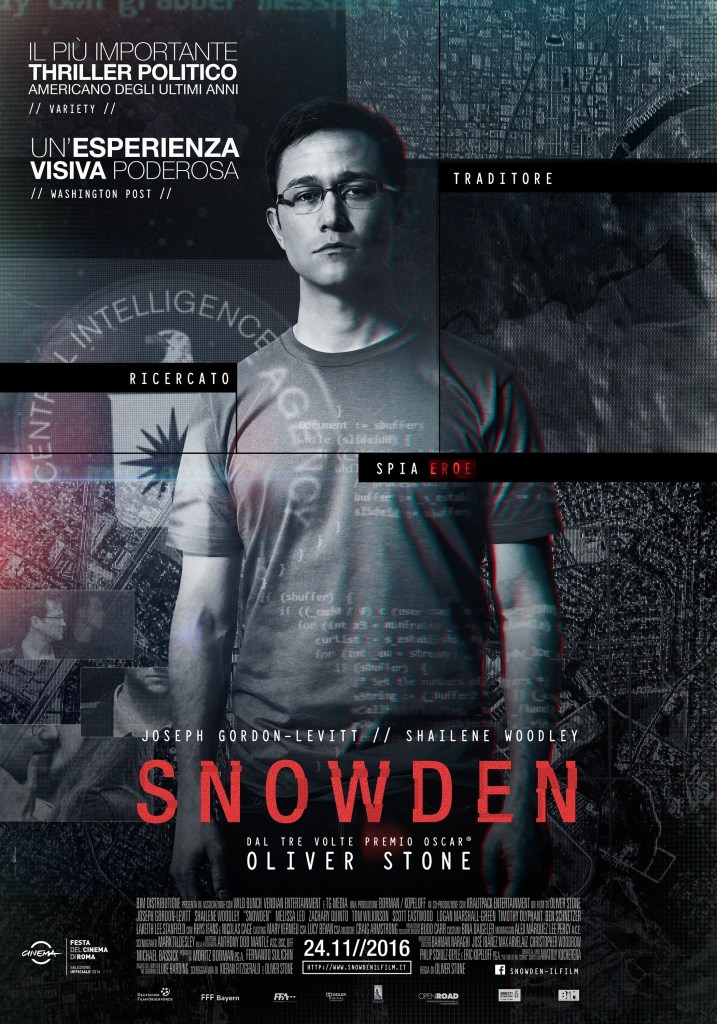
The film, Snowden, stars Joseph Gordon-Levitt as Edward Snowden. Other members of the cast include Melissa Leo (Laura Polirtas), Zachary Quinto (Glenn Greenland) and Nicolas Cage as Hank Forereste! The thriller was directed by Oliver Stone in 2016 and covers the shadowy career of Edward Joseph Snowden.

In 2004, Edward Snowden was training to be in the Special Forces when he slipped & fractured his tibia. He then turns his attention to the Center Intelligence Agency (CIA) to find a new way to serve his country. His self-intellect (although mostly self-taught) is phenomenal and secures himself a spot at the CIA Training Center in Virginia, called “The Hill”. Snowden and his fellow colleagues are assigned to individual cities and each tasked with building a covert communications network. The instructor indicates the average time of 5 hours and no more than 8 hours. Snowden completed the entire process of building, destroying, and rebuilding his network in an impressive 38 minutes. His potential and intelligence lands him his first post in a foreign country. He brings his online-sweetheart, Lindsay Mills (Shailene Woodley), to join him. The movie then shortly fast forwards to 2013 in Hong Kong, where Snowden is explaining and handling sensitive information to journalists regarding the United States government. It then quickly jumps to one of Snowden’s earliest assignments in Geneva, Switzerland 2007. He was placed there to maintain the CIA’s security network and ends up aiding superiors with dirty methods of coercion. This pushes Snowden to resign and pick up several different positions in various countries. Senior Officer O’Brian reveals an operation in Hawaii that revolves around counterattacking Chinese hackers. With Snowden currently struggling with epilepsy, a move to Hawaii sounds promising and a fresh start with Lindsay. Snowden’s creation of projects such as the Epic Shelter and Heartbeat, were instrumental in the collection and extraction of terrorist threats. However, the CIA and NSA were abusing this power and collecting information on all citizens of the United States. Snowden ultimately becomes disillusioned with what he is a part of and smuggles all relevant data onto a micro disk. With the help of several journalists, the information was released to the public on June 5th, 2013. The story instantly went viral and had a major impact on the Obama administration. In the end, Snowden is granted asylum in Russia and awaits an equal and fair trial in the United States.

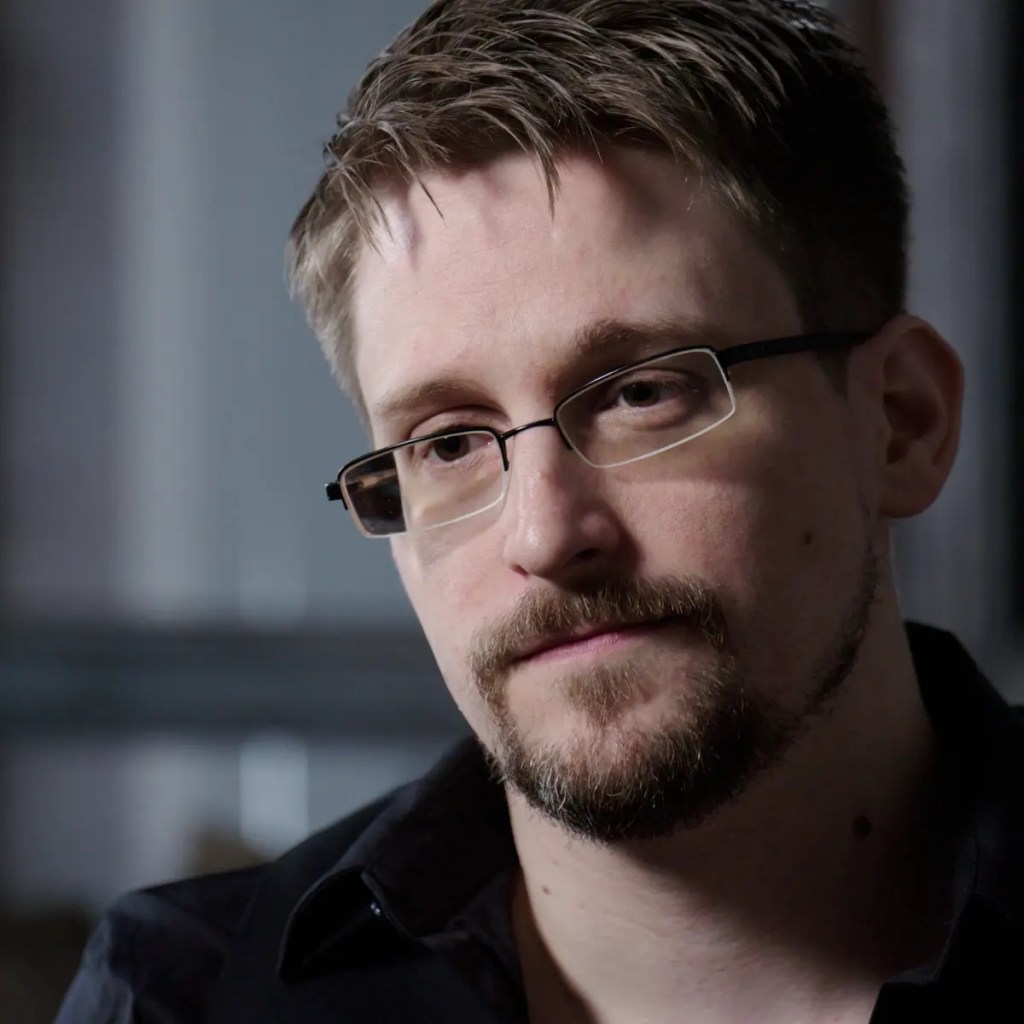
Edward Snowden

Is Edward Snowden a terrorist or national hero? Although his acts were considered treason, I believe he was providing information that should have been made available to the public. I do agree that it is important and the duty of the government to monitor certain people’s digital footprint. However, to record everyone’s voice and their online tendencies seems unnecessary.

Lastly, Marriot experienced a data breach affecting 500 million hotel guests. A hacker got into their system and gained access to people’s names, phone numbers, birthdates and even passport information. I found his breach particularly creepy as this leaking of information transpired over several years! Hackers are the new villain in a world surrounded by technology. I hope we find a happy medium with our consumption of technology and can hold scammers accountable.

Published by: Samuel Erickson

Weekly News Article: The USA today touches on several good tips to combat scamming.

https://www.google.com/amp/s/amp.usatoday.com/amp/5042873002

Hated in the Nation & The Aunt from Hell?

The fifth week of Social Media & Society has introduced us to another fantastic episode of Black Mirror and The Outrage Machine. This week’s discussion in class (Zoom) advanced on these topics and their relevance to society today.

The artificial ADI Bee

Black Mirror: Hated in the Nation is the final episode of the third season. Directed by James Hawes in 2016, this episode tops the charts for my all time favorite Black Mirror viewings thus far. In this foresightful episode, it encapsulated drama, mystery and suspense. It also touches on current issues in 2020 that directly relate to the subject and storyline of this episode. I believe the Black Mirror production team did a remarkable job producing and perhaps even foreshadowing the future implications of media and technology.

It begins with the hearing of Detective Chief Inspector Karin Parke (Kelly Macdonald) as she seems very unsettled in an ominous courtroom. The following scene flashes back to May 15th of the previous year, “Day One”. Jo Powers publicly criticized disability rights in one of her publications and started receiving massive death threats. Wherever she went; social media threads or walking on the sidewalk, people were using slander to voice their outrage against Power’s article. Her story received mass media across Europe and she was found dead shortly after. Inspector Parke was head of the investigation with her shadow Blue Coulson (Faye Marsay). Power’s had taken her own life with a glass bottle and severely injured her husband. At this point in the episode, it is unclear to the two detectives direction on the case and most of their leads are dead-ends. The following day, a popular Hip-Hop artist (Tusk) received major backlash and media attention for his disrespectful comments regarding a young fan. He too felt terribly ill and started having effects similar to a seizure. He was transported to a hospital and died unexpectedly during a CAT scan. After the second suspicious death, the killers are identified as the artificial ADI bees. These robotic, solar powered bees were intended to pollinate flowers after the extinction of honeybees. The detectives also discovered the correlation between the “#DeathTo” hashtags and the current victims of the ADI bees. The investigative unit rushed to the next trending hate victim before the bees could terrorize their next target. That poor woman happened to be Clara Meades. She posted a picture on a media platform pretending to urinate on a memorial. Meades is moved to a safe house but a swarm of ADI bees prove to be too much and claim their third victim. However, it seemed someone had hacked their programming and used facial recognition to identify targets. A closer analysis of the ADI bee also revealed a manifesto belonging to Garrett Scholes. The gist of the manifesto stated people will be held accountable for their actions on media platforms. The team tracked down Scholes last known location and raided his complex. There is no trace of Scholes but they discovered a disk containing IMEI numbers of all the people that used the “#DeathTo” hashtag. They were attempting to shut down the active hives when the bees started targeting all the individuals that used the hashtag. Over 300,000 people were killed by the ADI bees as we returned to the courthouse with Inspector Parke. The closing scenes display a message between Parke and Blue stating she had located Scholes in a remote foreign country.

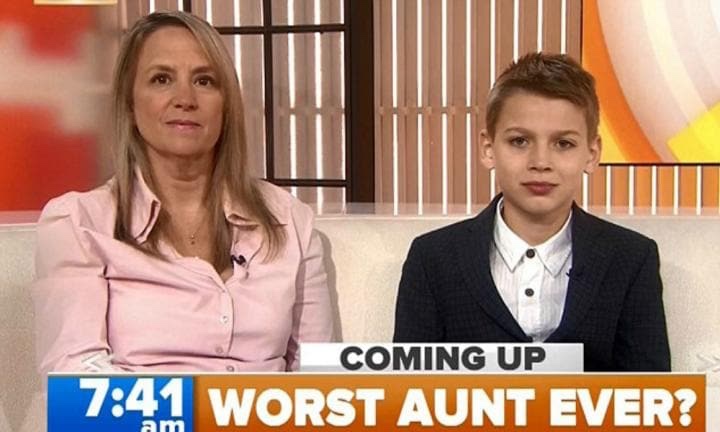
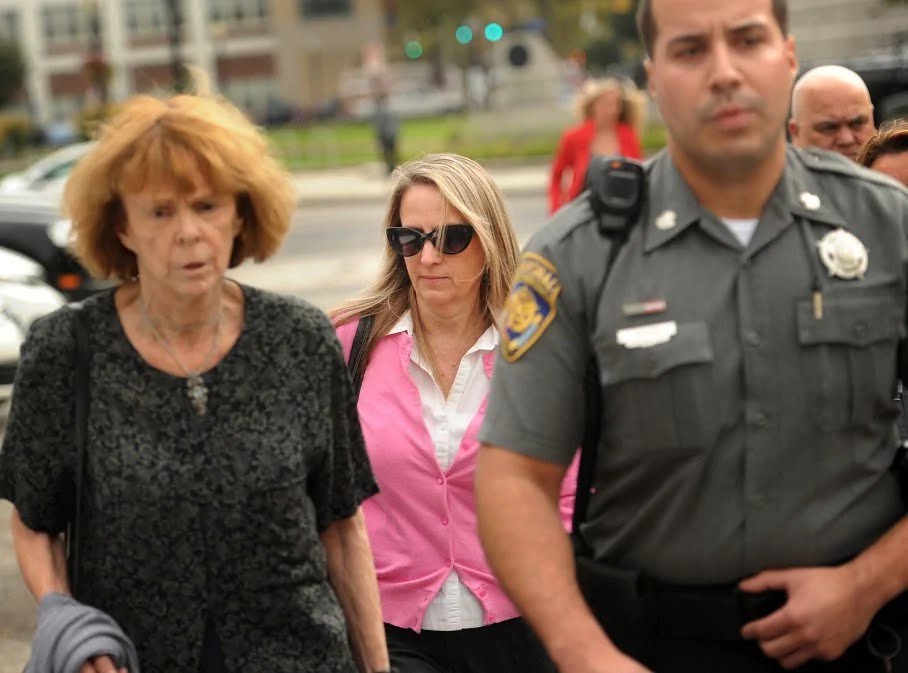
In class on Wednesday, September 23rd, Dr. Schlegel shared a viewing called The Outrage Machine. The video from RetroReport.org shared the story of Jennifer Connell and her lawsuit involving her then 8 year-old nephew. Media was quick to attack and judge Ms. Connell without understanding her true circumstances surrounding the class. The health insurance would not cover the $127,000 in medical coverages. She was required to sue an individual, rather than a third-party homeowner’s insurer who owed her no legal duty. According to the family there were no hard feelings whatsoever. However, their mainstream media was quick to crucify and labeled Ms. Connell as “The Worst Aunt Ever”.

The connection between the Black Mirror episode and The Outrage Machine video stood out to me immediately. In fact, instead of the “#DeathTo” hashtag like Black Mirror, the REAL angry online mob dubbed Ms. Connell as the “#AuntFromHell” to voice their displeasure. What I find most appalling is how quickly people believe information on certain media platforms. These individuals show little interest in factual information and rather join the bandwagon. It is important for us all to self-monitor our social media feeds and be considerate of everyone’s opinion! Do you believe Ms. Connell was treated unfairly? Why or Why not?

Published by: Samuel Erickson

Weekly News:

https://m.dailykos.com/stories/2015/10/15/1432809/-On-Internet-Shaming-Witch-Burning-and-The-Aunt-From-Hell

This article explores the media’s impact and the different and difficult positions regarding the Jennifer Connell case.