Chatbots to the Rescue!

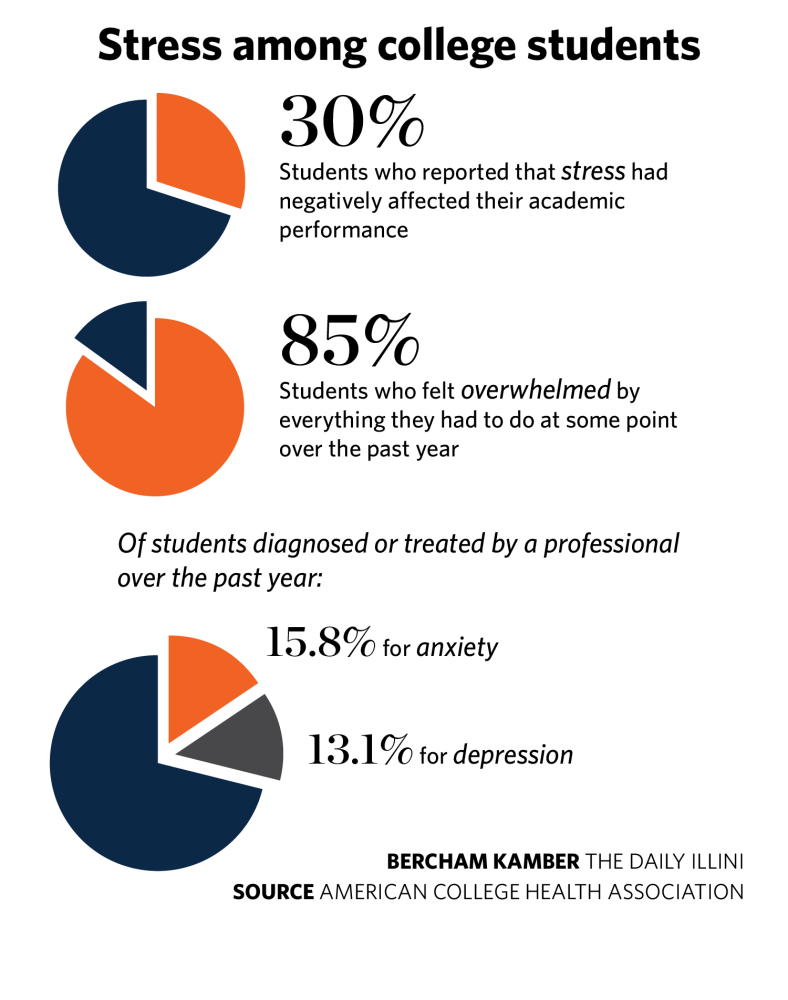
In the United States, almost 10% of college students have been diagnosed with, or treated for depression and that number is increasing.  Mental health issues such as stress, anxiety, and depression are among the health information most searched for by teenagers online, and online content often motivates young people to change their health behaviors.  It is important for us to examine this rising situation amongst college students and offer a solution.

 The increase in anxiety and depression among college students versus the services offered is overwhelming student health services at universities.  Furthermore, some students do not have the access to traditional mental health services and are unable or unwilling to seek treatment due to social stigmas.  Academics and going off to college are primarily perceived as a positive challenge, however if viewed negatively by the student, the stress can be detrimental to a student’s health and well-being.  (Beiter) For example, Franciscan University of Steubenville, Ohio conducted a study on their students’ mental health and found that many of the students were experiencing extreme depression, anxiety, and stress.  This illustrates the pattern and the need for universities to implement a systematic and continuous method to monitor the mental health of its students.  They suggest that this type of monitoring, along with increased availability of programs, would allow universities to evaluate the mental health needs of their students and to improve their existing counseling programs. (Beiter) It is important to be able to study exactly what issues are prominent.  For example, negative perceptions of body image which can contribute to low satisfaction in life, along with low self-esteem which may result in low social, emotional, and learning function.  To combat issues like these and others amongst college-age students and to have a greater impact, we need a broad reaching solution.
There is some evidence that the first generation of mental health digital interventions can be effective for conditions such as anxiety and depression.  The interventions, powered by artificial intelligence (AI) can be effective for anxiety and depression because they provide an engaging tool that is designed to feel like the users are speaking to a real human being and mimics human dialogue.  (Kretzschmar) Chatbots process all text and emojis that a user might enter and offer responsive, guided conversations and advice to help users cope with challenges to mental health.  They also offer daily check-ins on users’ emotions, thoughts, and behaviors.  (Kretzschmar) While no substitution for in-person therapy, these tools may help to assist in reversing the negative thinking processes that drive depression and anxiety.  College students could benefit from the use of mental health chatbots and platforms because of the ease of access.  At a time where young people and college students are media and tech savvy individuals, they could easily utilize these services. (Kretzschmar) Essentially, chat bots could aid in preventing the rising cases of depression and anxiety amongst college students and young people.

Digital interventions are accessible to anyone with a smartphone and internet connection and can be delivered to young people in regions that lack mental health professionals and where mental illness often goes untreated.  Mental health apps are readily accessible and easy to use whenever users feel sad, anxious, stressed, or just need a distraction. (Kretzschmar) They are also significantly cheaper than face-to face interventions such as cognitive behavioral therapy.  Young people are often hesitant to seek out mental health therapy due to social and self-stigmatizing attitudes toward mental health interventions.  There is also evidence that younger teens tend to feel more in control of managing difficult situations in online conversations via text rather that in-person interactions. (Kretzschmar) Another common barrier is trust and confidentiality.  Many young people feel that their problems are too personal to discuss with an adult or with anyone who may divulge sensitive information with others.  These individuals may find that a digital intervention or app that is used anonymously would be a better outlet to “discuss” their issues.  It is also possible that as they use chatbots and other resources that they learn about alternative approaches and develop skills to be able to recognize when they need additional support and may become more open to speaking with a human being.  In addition, if a student does speak with a mental health professional face to face first, mental health apps can still be recommended as a supplement or a form of intermediate support.  Besides their 24/7 availability, Bots reduce the fear associated with being judged.  It responds to the emotions and evidence-based CBT (cognitive behavioral techniques), meditation, breathing, yoga, motivational interviewing, and micro-actions to help build mental resilience skills. (Dar) Users can also benefit from gaming techniques for example, users can move through carefully designed virtual environments and perform tasks that get progressively harder.  “If you look at the societal need, as well as the ability of AI to help, I think that digital mental healthcare checks all the boxes, “Computer Scientist and Professor of AI, Andrew Ng says. (Knight) The performance results can help researchers assess their motivation levels and design treatments to keep them committed. 

Chatbots can provide companionship and therapy support. “Younger people are the worst served by our current systems, “says Alison Darcy, a clinical research psychologist who came up with the idea for Woebot, a therapy chatbot whose icon is a robot.  Woebot works smoothly thanks to a clever interface and some impressive natural-language technology.  (Knight) It can be anonymous if you choose.  When I tried it out, I did not enter any personal information.  It states up front that no person will see your answers and offers ways of reaching someone if your situation becomes serious.  If it does not understand something that a person has typed, it will apologize and explain that it is only a few months old and is still learning.  You are then guided through conversations that assess the way you are feeling by the answers that you give.  It checks in with you every day at the time of your choosing and directs you through the steps.  If you say that you are stressed about work, it will offer ways of reframing your feeling to make them more positive.  Alison Darcy, Woebot creator, says that Woebot is effective because a conversation is a natural way to communicate distress and receive emotional support.  If after prolonged use, users don’t show signs of improvement or they consistently rate their energy levels as low or use key words such as “sad,” “anxious,” or “depressed,” to describe their mood, Woebot nudges them toward seeking medical help. (Lien) “The idea of therapy is so burdensome and loaded for some people, and we’re not that — we’re not as intensive,” Darcy said.  “We have this hope that people will use us and not even realize we’re a mental health tool.” 
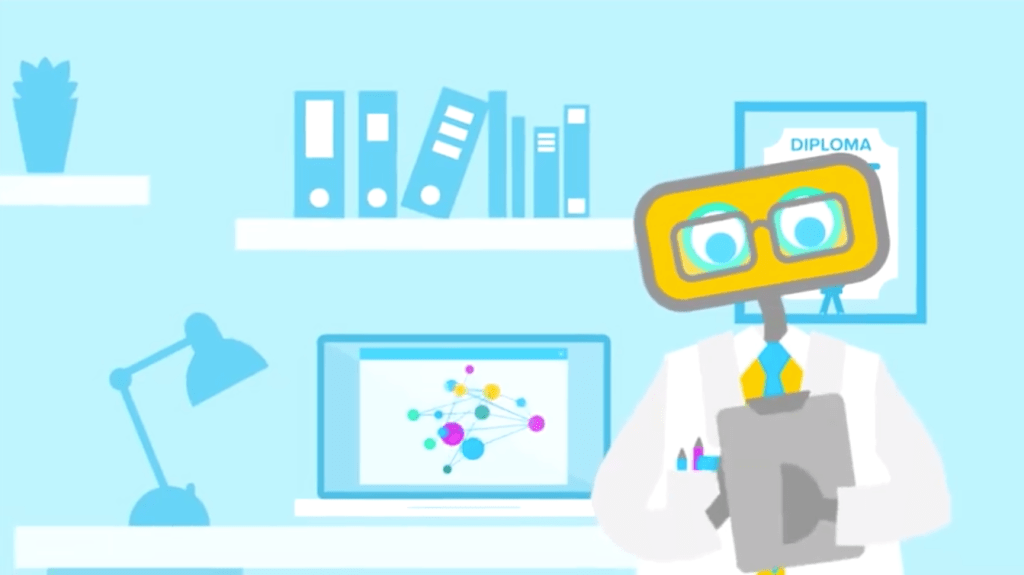
As stated, there is no substitute for an in-person mental health professional.  While chatbots and other mental health platforms provide daily check-ins and can assess mood, they lack EQ (emotional quotient). (Dar) They can interpret answers in depth but cannot sense discomfort, body language and other ways of communicating that only a human can observe.  Bots also cannot replace treatment for people with serious conditions.  Some people would not want to share personal data with a bot, and there are many who doubt the effectiveness of a machine helping to manage emotional issues versus a professional.   Sometimes there are tech issues, like a bot may seem repetitive or there is a break in the communication flow.  Some are not effective in detecting and responding to child sexual abuse, drug use, and eating disorders.  (Dar) There are also ethical issues involving the collection of data and potential for poor advice.  Chatbots and other AI are certainly no substitute for real life therapy, but can it be a helpful solution for a certain population?  Can it be helpful for college students to help guide them towards healthy thought processes?

College students and young people can benefit from the use of chatbots and other forms of AI to help with establishing healthier ways of thinking and in helping to manage the symptoms of depression and anxiety.  While it is important to stress that chatbots and other mental health platforms are no substitution for in person therapy, they can provide a service that helps mitigate the patterns of thinking that contribute to these conditions.  I think that colleges and universities can utilize these methods as ways of checking in with their students and as a possible method in tracking and studying the prevalence of depression and anxiety amongst college age students.  I also feel that this can be a tool for reaching individuals who have no access to mental healthcare or live in rural areas.  As Andrew Ng says, “If you look at the societal need, as well as the ability of AI to help, I think that digital mental healthcare checks all the boxes.  If we an take a little bit of the insight and empathy of a real therapist and deliver that, at scale, in a chatbot, we could help millions of people.”

In the United States, there is a growing problem of depression and anxiety amongst college students and young people.  I believe that the use of chatbots and other mental health platforms can be a positive way of helping reduce this issue, while providing a method in which we can study its effects and develop better methods of reaching our youth.  The accessibility and anonymity of chatbots make it an effective way to reach this population.  While it is no substitute for in-person treatment, it is worth a try to help our youth struggling with depression and anxiety related symptoms. 

References:

Beiter, R. Nash, M. McCrady, D. Rhoades, M. Linscomb, M. Clarahan, S. Sammut, The prevalence and correlates of depression, anxiety, and stress in a sample of college students, Journal of Affective Disorders, Volume 173, 2015, Pages 90-96, ISSN 0165-0327 https://doi.org/10.1016/j.jad.2014.10.054. (http://www.sciencedirect.com/science/article/pii/S0165032714006867)

Dar, V. (2019, Dec 15). Chat with a BOT: Technology can be good frontline for mental therapy. Financial Express Retrieved from http://ezaccess.libraries.psu.edu/login?url=https://www-proquest-com.ezaccess.libraries.psu.edu/docview/2326348871?accountid=13158

Knight, W. (2018, Jan). Andrew ng has a chatbot that can help with depression. MIT Technology Review, 121, 15. Retrieved from http://ezaccess.libraries.psu.edu/login?url=https://www-proquest-com.ezaccess.libraries.psu.edu/docview/1990740397?accountid=13158

Kretzschmar, Kira, et al. “Can Your Phone Be Your Therapist? Young People’s Ethical Perspectives on the Use of Fully Automated Conversational Agents (Chatbots) in Mental Health Support.” Biomedical Informatics Insights, Jan. 2019, doi:10.1177/1178222619829083.

Lien, T. (2017, Aug 24). A BOT THAT LISTENS; Woebot aims to give a lift to people who are depressed or stressed. Los Angeles Times Retrieved from http://ezaccess.libraries.psu.edu/login?url=https://www-proquest-com.ezaccess.libraries.psu.edu/docview/1931501239?accountid=13158
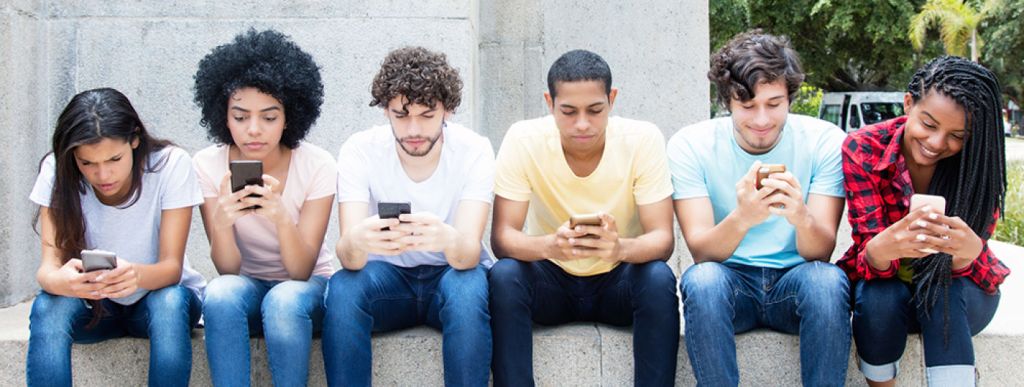

Final Blog: WAKE UP AMERICA!

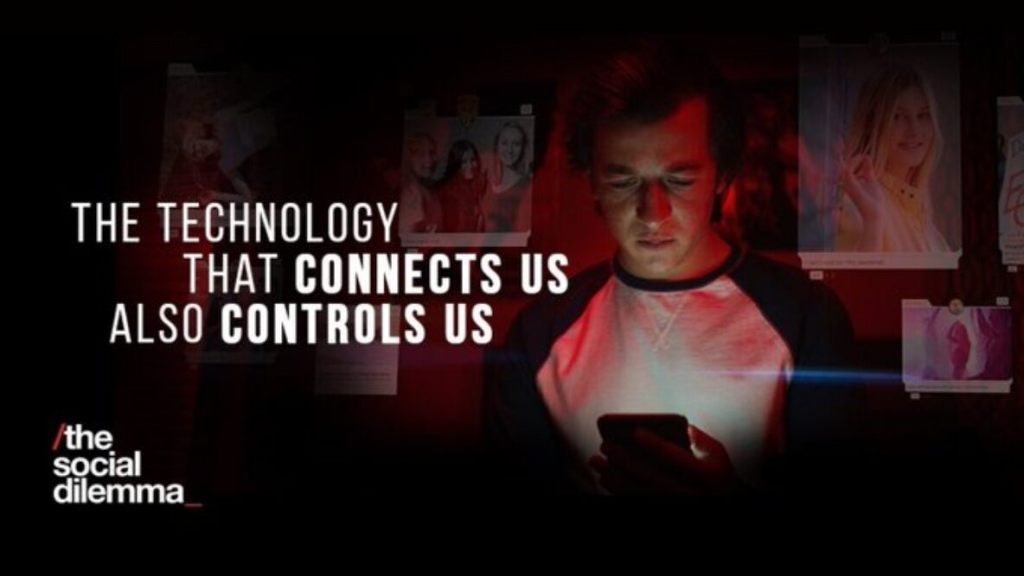
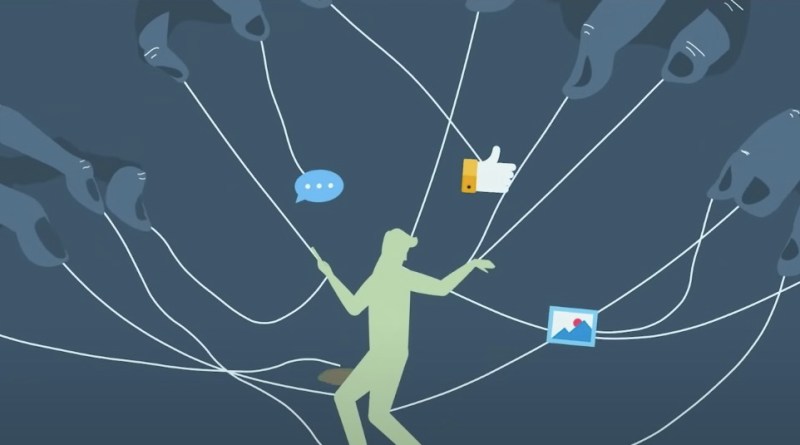
There is a growing problem within our society that is only going to get worse if we do not make some changes:  the social media dilemma and its effects on our youth.  Social media affects our everyday lives, our democracies, and will have a negative outcome on our future if we do not harness its power and truly use it for greater good.  No matter the original intentions of social media platforms, they have morphed into something more sinister; more nefarious.  The companies who control the apps that we use daily are more interested in creating without regulation and making money from advertisers.  Meanwhile, we are used as puppets; our data and information harvested, and our mental health declining.  These tech companies are creating wonderful and genius technology, but at what cost?  We have essentially become addicted to our phones; consulting apps for reassurance and measuring our worth with how many likes we get.  We are constantly bombarded by advertisements all competing for our attention and they have it.  We are more disconnected from each other than ever and our democracy is at serious risk.  We must take the necessary steps to mitigate these issues before it is too late.  We cannot continue to allow our youth to suffer.

Adolescents and young adults are at risk for depression and anxiety related to social media and the numbers continue to rise.  Within the last ten years, there has been a shift in the purpose of these technologies and instead of bringing us closer together, they are driving a wedge between us and society at large.  Kids born around 1995 (and starting in 2011) are on their phones much more than previous younger generations, contributing to the rise of depression, anxiety, and self-harm. (The Kids Are Not Alright) The increase spans across age, race, and social class.  Girls are more affected by depression while boys are more prone to anxiety.  Kids see what other people are posting and if someone posts something that looks better than what they have they feel like their lives are less than.  Boys seem to gravitate more towards video games while girls are putting something out there like a picture or a post and waiting for comments.  Social media distorts our self-image and only 1/10th of what you post is reality (Talk Space, Social Media Dependency) At a time when teenagers’ minds are developing and they are cultivating coping and emotional skills, this type of validity seeking is harmful to development. 

Depression – 3 million adolescents ages 12 to 17 in the U.S. had at least one major depressive episode.

Anxiety – 6.3 million teens ages 13-18 have had an anxiety disorder.

Suicide rates have increased by 70% for girls. (The Kids…)  Self-harm is on the rise and there is a direct correlation between social media.  Anxiety and depression has increased since 2012 and experts are struggling with figuring out the best way to help.  The post 9/11 generation was raised in an era of economic and national insecurity, having experienced terrorism and school shootings in our nation.  As Faith-Ann Bishop says in The Kids Are Not Alright, “we’re the first generation that cannot escape our problems at all.”  She is right.  With recent technology advancements, there is a hyper-connectedness that expands everywhere.  Rural students are not so isolated anymore.  We live in a world where we are more aware of everything.  You have our attention, now it is up to the tech giants to accept responsibility for their platforms and harness the beast that they have created. 

It is easy to shift blame, though.  We could say that parents are not doing their part and that they are contributing to the problem by also being on their phones constantly and not setting good examples.  Parents are either watching their kids too much and coddling or not keeping an eye on their kids and their technology usage enough.  As Jonathan Haidt, the Social Psychologist and Author of The Coddling of the American Mind stated, that kids are unable to cope with adversity and that some things must be challenged, not protected.  Parents are more apt to negotiate with their kids as opposed to providing structure and authority.  Parents are also dealing with their own restraints with technology and social media.  There used to be a distinction of when you were at work and at home.  Now, adults are never truly away from work and as a result are mimicking their children’s social media habits, like “zoning out,” “ignoring people,” and being on their phones during family time.  We all need to take responsibility for our social media habits, but it is up to parents to establish those boundaries and teach their children how to be responsible consumers.

In the documentary, The Social Dilemma, top designers, and innovators of our social media culture conveyed that when they were developing these tools, they were concerned, but did not intend on the consequences.  It is true that these tools have accomplished amazing things, but as Google Design Enthusiast, Tristan Harns puts it, the “world is going crazy.”  The documentary presented a “Call to Arms” from tech producers in the industry and states that we have a moral responsibility to solve the problem of social media dependency and its effects on 2 billion people.  After the Call to Arms was submitted, nothing happened.  Social media has changed our behavior towards one another.  We are losing the ability to empathize all in the name of money.

 It is the tech corporations’ goal to keep us engaged on-screen. They make money from advertisers that compete with other advertisers for ads on social media platforms.  The corporations are then paid a percentage.  “If you are not paying for the product then you are the product” as Jaren Lanier, Founding Father of Virtual Reality and Computer Scientist states.  The change in behavior of individuals IS the product.  How you think and who you are changes and so does the world gradually.  Different companies purchase all the data that is collected by these platforms and use that data against us for their own personal gains.  Every action you take is monitored and recorded, including the amount of time you spend looking at something online.  Advertisers have more information on us with no supervision or any regulations.  What are they doing with all this data?  They are building models that predict actions; whoever has the best model wins.  The Social Dilemma describes it like building an avatar that monitors the videos you watch, pictures you like, and elicits and responds to what kinds of emotions trigger you.  The three goals are engagement, growth, and advertising and they are all powered by an algorithm that keeps the numbers going up.  What is scary is that they can turn the dial up whenever or however much they want to. 

We are being treated as participants in a game with which we are unaware of the rules.  Tech companies have learned how to make technology more persuasive through positive reinforcement.  We are not simply being coerced; we are being programmed on a deeper level.  As stated in The Social Dilemma this programming is not by accident; it is a design technique.  Through an endless cycle of subliminal queues, suggestions, and dopamine responses we have become lab rats.  These platforms have moved away from tools-based technology to manipulating us with our own psychology.  Social approval and the attainment of a perceived sense of perfection from likes forces you into an endless cycle of “what can I do to get more likes” mindset.  Our youth are suffering.  They are more anxious, depressed, and fragile.  Self-harm and suicide are on the rise.  It is time to take responsibility.  It is okay to make money, but without regulation there are no reasons for companies to change.  If we continue this path there will be inevitable, destructive consequences.  This is not how we want to treat our fellow human beings.  We have a responsibility to ourselves, our children, and our future. 

https://www.businessballs.com/glossaries-and-terminology/generational-nicknames-model-theory/

The Generational Theory implies that people’s formative years are the most sensitive in shaping their attitudes in response to political, economic, and social factors of the time. (Generational Nicknames…)  The major factors that are considered to influence the character of each generational group are:

-societal norms and standards

-economic and political situations

-technological developments

-music and fashion

My generation, Gen X (or MTV/Xennial) is known for apathy, anarchy, detachment and being technophiles, resentful, nomadic, and struggling and our fashion and music is anarchic, bold, and anti-establishment.

Five Things Beneficial of Gen X:

  1. Can adapt easily; good at in-person conversation and technological communications
  2. Developed good social skills during a time when people were not addicted to their phones
  3. Good workers and get along well with others
  4. Can multi-task easily; open to change and innovation
  5. Good problem-solvers; solution driven

Five Problems of Gen X:

  1. Had to fend for ourselves growing up due to divorce and parents entering the work force
  2. Dislike authority and rigid work environments
  3. Nomadic and not grounded
  4. Score low at cost-effectiveness
  5. Scored lowest when displaying executive presence

Here is great article that pretty much sums up my generation: https://www.nytimes.com/interactive/2019/05/14/style/generation-xers.html

Works Cited:

Schrobsdorff, Susanna.  Time, The Kids are Not Alright pp. 44-51

Talk Space:  Social Media Dependency

Generational Nicknames:  Model and Theory

https://www.businessballs.com/glossaries-and-terminology/generational-nicknames-model-theory/

Netflix, The Social Dilemma documentary

Weekly News Article:

“One root of the problem is the insatiable land grab by nearly every company imaginable — whether it’s Facebook or weather, parking and dating apps — to siphon every digital morsel of information about us, mostly because they can.”

Blocked

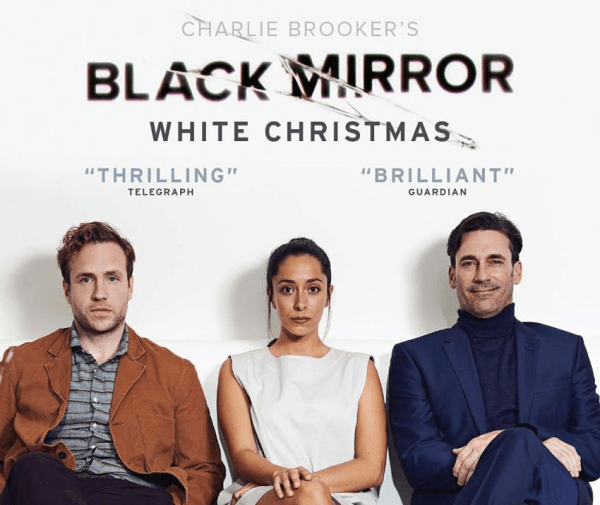
In the Black Mirror, White Christmas Matt is a romantic services guru whose services uses “Z-eyes” to helps Harry who hired him to talk to girls.  This technology can focus in on certain people and do a picture scan to find out information on the person.  Simultaneously, Matt is streaming everything that is happening and has 8 or 9 other people watching to see what happens and providing feedback.  Matt tries to guide Harry through talking to Natalia, a girl who Harry is interested in.  He says that the key is building rapport and that people just want to be heard and have someone who listens to them.  Natalia turns out to be mentally ill and kills herself and Harry.  Matt’s wife finds out and blocks him because of what happened.  In this episode, blocking means that you can’t see the person anymore.  They are just a fuzzy outline, and you are unable to talk to the person or communicate with them.  So, Matt’s wife left him and took custody of their daughter.  He has spent the last five years at a polar station with his roommate, Joe. 

Aside from his career as a guru, he is involved with a company that uses Smartelligence, a copy of you that is extracted from your brain and placed within an egg-shaped device.  The copy is a full code simulation of the brain and does not have a body; it is a cookie.  The service takes a blank cookie and inserts it into the brain soaking up the hosts brain and gives it a simulated body.  It is essentially a personal assistant and completes everyday mundane tasks for the host.  When a cookie pleas with Matt to free her, he tortures her by turning time ahead.  Eventually she accepts what she is and begs for work and something to do.  I felt sorry for this “cookie” who seemed to be human-like and have feelings.

Cookie (AI)

Joe, Matt’s roommate’s story is a tragic one.  His girlfriend, Beth blocks him when he finds out that she is pregnant and does not want the baby.  He pleas with her to talk to him but she blocked him and won’t speak with him.  He runs into her later and she is farther along in the pregnancy and still refuses to speak with Joe.  Eventually, he tries to see her at her father’s house that she goes to every Christmas, but he only sees her outline because he is blocked and the outline of a child.  He believes this to be his child and visits every year to watch them from afar.  Several years later, he sees on the news that Beth has been killed in a rail car accident and now that the block is gone, tries to go see his daughter.  He lets himself in Beth’s father’s place but when he sees the child, he realized that she looks like a former friend of his and that Beth had cheated on him.  He refuses to leave and ends up hitting Beth’s dad over the head with a snow globe killing him.  Afraid, he leaves and leaves the girl there.  The girl stayed in the house and refused to go because it was Christmas.  Eventually she wandered out into the cold, snowy blizzard to get help and is shown face down in the snow. 

Matt (Joe Hamm)

We then see that Matt has been coercing Joe’s cookie the whole time into giving a confession and the last five years were just time manipulation.  In order to avoid going to prison for his role in Harry’s death he gets the confession but is now a registered sex offender and is blocked by everyone.  Joe is tortured by a police officer who sets his cookie to experience time with the song “I wish it could be Christmas Everyday” playing on repeat, which was playing in the background when he killed Beth’s father.

Question:  Would you use AI intelligence?  Did you think that the cookie experienced feelings like humans do?

Work Cited: Amazon Prime, Black Mirror, White Christmas

Why Privacy Matters

In the article, Privacy Matters Even If You Have Nothing To Hide, the ‘nothing-to hide argument’ is rebuked as being a short-sided point of view because it implies that since certain people have “nothing to hide” that they won’t mind if you spy on them, look through their records, and use information without permission. Privacy is not viewed as a right, but as a form of secrecy.  The argument is made that everyone has something to hide and that all someone has to do is look hard enough.  Privacy is not that simple and there is not just one element to privacy.  There is also the assumption that privacy is about hiding bad things, not taking into account types of surveillance.    As the article states, surveillance can inhibit such lawful activities as free speech, free association, and other First Amendment rights essential for democracy.  When a third party company harvests your data and uses it to make marketing decisions, this can be considered a breach of privacy.  Especially since you have no say in what the data is being used for, no idea who is using it, or if the parts they are using are even accurate.  There is no involvement from the people in which the data is being extracted.  There is only the government, which takes the control out of the people’s hands, which creates a power imbalance.  Another noted problem is the distortion of personal data.  If the government is gathering personal information about people, it may not reflect the whole person.  The article urges caution in claiming, “My life’s an open book.”  There is a narrow understanding of how much is actually at stake and how deeply pervasive this could be if we did not have any rules governing privacy issues.

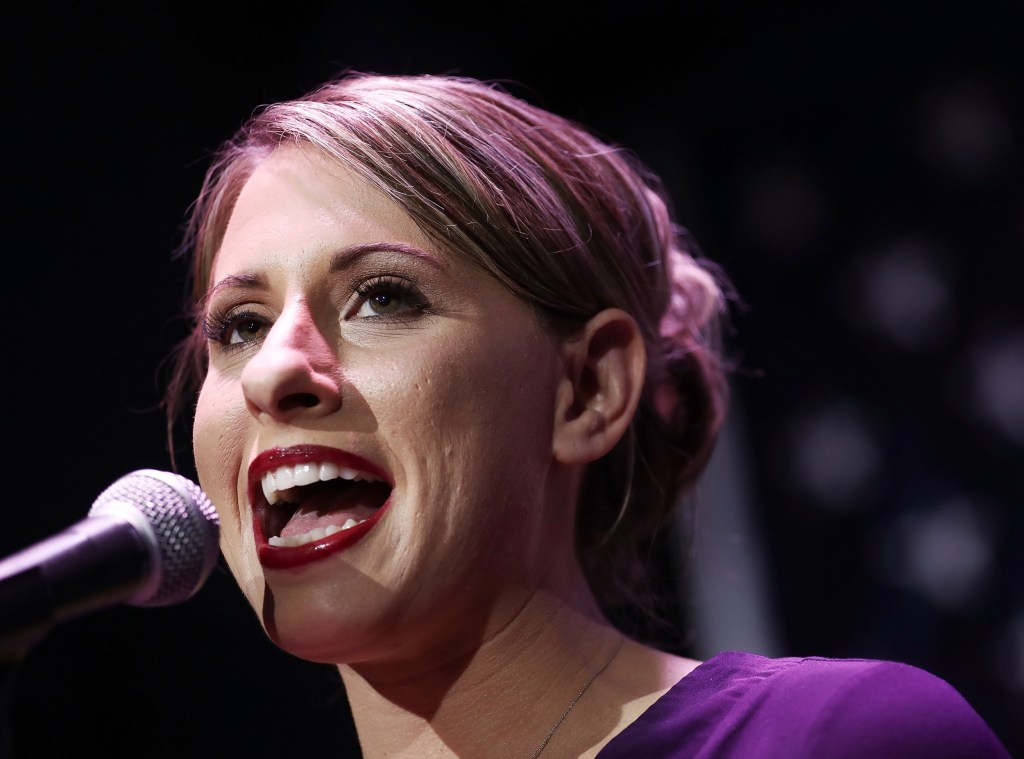
Katie Hill found out how one little photo leaked to the press could change the life of her career permanently.  In the article, The Humiliation of Katie Hill Offers a Warning, the article talks about the right-wing outlet RedState and how they published an article alleging sexual relationships between her and two staffers, along with an explicit photograph.  Hill later admitted to having an inappropriate relationship with a staffer and as a result resigned from her position in Congress.  Apparently, this was the first time an explicit photo of an opposition politician was used for political gain.  She was one of the first members of Congress to identify publicly as bisexual, and the staffer with whom she was in a relationship with was female, which caused a lot of media coverage.  Regardless of her personal life the article asks if the photos should have been made public at all and suggests that this fits into the category of “revenge porn,” since they were released without Hill’s approval.  The article says that the effects of nonconsensual pornography can be devastating and that victims report severe anxiety, depression, and are afraid to even go outside.  All of this does pose an interesting question:  What can be done about instances like this in the future and in our political system? 

Katie Hill, former member of the U.S. House of Representatives.

Works Cited:

The Chronicle of Higher Education. May 15, 2011. Why Privacy Matters Even if You Have ‘Nothing To Hide’ https://alfredu.instructure.com/courses/12951/files/folder/Readings?preview=632634

The Atlantic. October 31, 2019. The Humiliation of Katie Hill Offers a Warning https://www.theatlantic.com/ideas/archive/2019/10/katie-hill-and-many-victims-revenge-porn/601198/

Facebook and The Filter Bubble

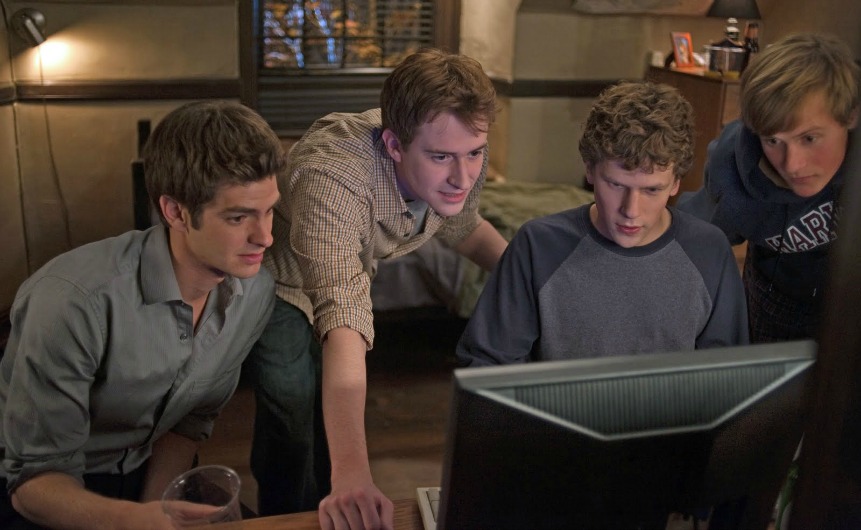
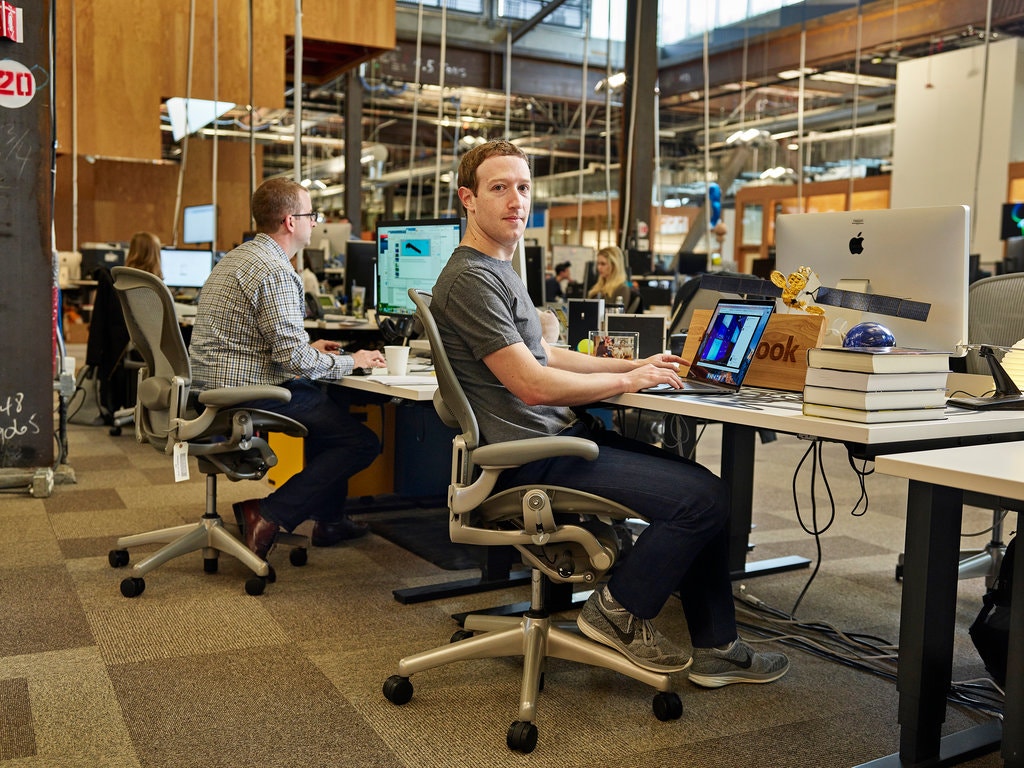
The Social Network was about Mark Zuckerberg and how he got his start with Facebook.  Mark and his girlfriend Erica break up and Zuckerberg goes back to his dorm at Harvard and starts to come up with the algorithm for “Facemash” which used the photos of students who belonged to different houses on the Harvard campus.  Using pictures from the Kirkland House and the formula for the algorithm, he created Facemash and within 2 hours he had 22,000 hits which ended up crashing Harvard’s Network.  He was accused of intentionally breaching security and ended up getting 6 months of academic probation.  Over the next couple of weeks, he worked on the algorithm and spent time building the code for what eventually would be called, “The Facebook.”  He wanted it to have exclusivity and he wanted it to be a way for college students to meet each other. 

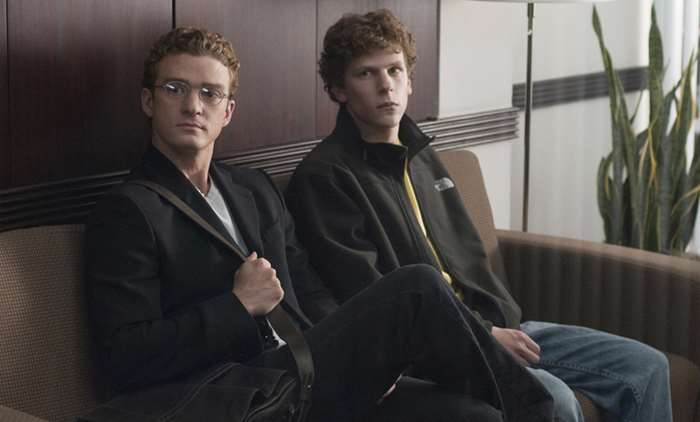
In the movie, a friend inspired him to create the relationship status.  He ran into some issues when he was asked to work on Harvard Connection by the Winklevoss brothers in which he agreed and then kept blowing them off to work on his project.  He continued to ignore their requests to meet and eventually they take him to court for possible stealing their idea for Harvard Connection and using it for The Facebook.  The Winklevoss brothers tried to get Mark in trouble for being in violation of Harvard law, stealing from another student but it backfires.  Eventually, they lawyer up and take Zuckerberg to Court and he settles and pays them.  Zuckerberg ends up meeting up with Sean Parker who had already been seeing the results and financial gains of Napster. Mark is influenced by Sean and moves out to California to grow Facebook and advance the company, but he is facing a strained relationship with his best and only friend, Eduardo who helped him start the company.

Sean and Mark, The Social Network

 Eduardo initially invested $1,000 to start the company and has been investing and providing money to the company to get it up and running.  When Eduardo sees that Mark has been heavily influenced by Sean who Eduardo thinks is bad news he freezes the bank account and assets.  Mark then finds an investor, Peter Theil who makes an investment of $500,000.  Eduardo was in NYC trying to secure ad deals for the company which Mark and Sean didn’t see as a good direction.  He and Mark saw something bigger for The Facebook, which eventually upon Sean’s suggestion become just “Facebook.”  When Eduardo returned from NYC the last time, he found that his shares of the business were diluted down to .03 percent and Eduardo was outraged.  Zuckerberg ended up eventually settling with Eduardo and the Winklevoss brothers.  Facebook had just broke one million members.  Facebook is valued at 25 billion dollars, making Zuckerberg the youngest billionaire in the world.

In the TED Talk, The Filter Bubble, Eli Pariser talks about Facebook’s News Feed and how it only shows us information that we click on.  He said that Zuckerberg said when asked about it, “a squirrel dying may be more interesting to some than people dying.”  There has been a shift in how information is flowing online.  Facebook looks at which links I am clicking on without consulting me and editing out information, Pariser said.  It has an invisible algorithm and so does Google.  The News Feed gives us personalized news and different people get different news.  The internet shows us what it thinks we want to see – not what we need to see.

“It will be very hard for people to watch or consume something that has not in some sense been tailored for them.”                      

-Eric Schmidt, Google

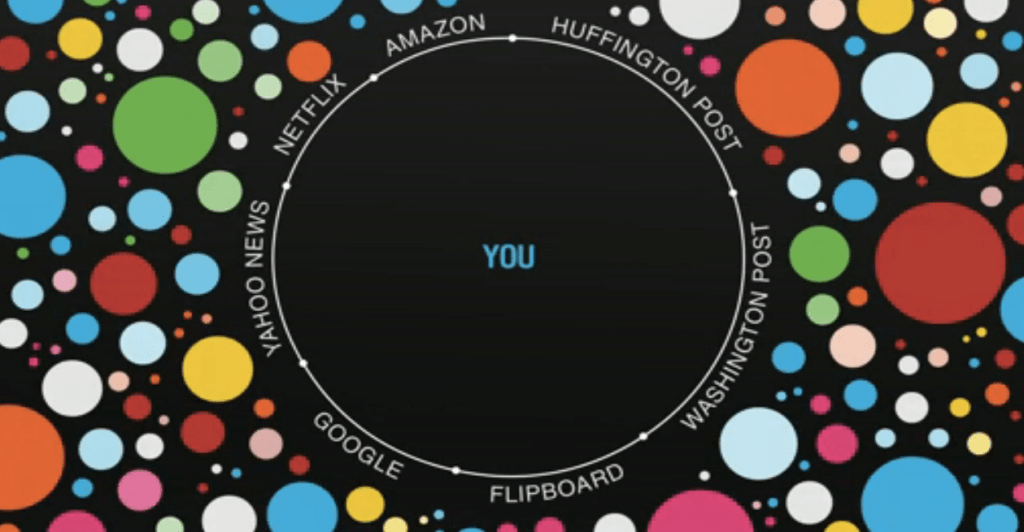
Your Filter Bubble is your own personal unique information that you live in online.  What’s in your filter bubble depends on who you are and what you do, but you don’t decide what gets in and more importantly, you don’t actually see what gets edited out.  The News Feed and Google do not provide a balanced information diet.  We need to be able to see that are also uncomfortable, challenging, important, and other points of view.  We need to gain control so we can decide for ourselves.  As Pariser says, “the internet will not connect us if it leaves us isolated in a web of one.”

THE FILTER BUBBLE

Question:   In the movie, Zuckerberg squeezes Eduardo out due to differences concerning the direction of Facebook.  Do you think that Zuckerberg was wrong to do that to his best friend?  OR Did you feel he  was justified and it was necessary in order for the business to grow?

Works Cited:

The Social Network (NETFLIX)

The Filter Bubble, TED Talks https://www.ted.com/talks/eli_pariser_beware_online_filter_bubbles

The News Feed Bubble

Journalism is changing and we have to consider the way in which we get our news. Online there is a great amount of opinion, but there is little reporting and rigorous fact-checking or editorial scrutiny, as suggested in the article, Goodbye to the Age of Newspapers. It is unpredictable whether the Internet will be able to support journalism at a level that is comparable to newspapers, the the former methods of journalism are not matching up with the developments of new media. Rosenstiel says, “More of American life will occur in shadows. We won’t know what we won’t know.”

William Arkin agrees that something happened post 9/11 in which people disappeared from the airwaves and we don’t see as many journalists reporting. We see journalists who are the commentators on what is going on. (Democracy Now, Longtime Reporter) He says this is a tough spot to be in because journalists are supposed to be unbiased, but at the same time, they are supposed to be explaining to the public what is going on with inside information. Arkin feels that we are becoming shallower with our coverage particularly in areas of national security. “We’ve shifted from the Industrial Age to the Information Age.” Consequently, we have also shifted from the dominance of the military-industrial complex to a more difficult-to-diagnose information complex.” I found it interesting that Arkin says for instance, Amazon is one of the largest defense contractors, that they are building the cloud and building data centers to support the intelligence community and the military. He also says there are other civilian companies who we think are acting civilians that are benefiting from military backing.

Arkins suggests that today’s journalism is biased using the example of a panel discussion on television. He says that in the mainstream press and newspapers, we don’t populate that panel with people who are in opposition. That the problem is that there aren’t critics who are countering what is being said. Hinting at a time of journalism that is at risk for extinction and a moral code that is now overlooked, he says, “I just don’t think the American public gets well served by the fact that there isn’t a broad range of opinions on those panels. I want to see peaceniks. I want to see academics. I want to see historians.” The lack of biased opinion and the spread of misinformation can be examined by exploring the impact of Facebook and social media….

Nearly two billion people use Facebook every month, and about 1.2 billion of them daily. It has become the largest most influential entity in the news business, commanding an audience greater than that of any American or European television news network, any newspaper or magazine in the Western world and any online news outlet. It is also the most powerful mobilizing force in politics, and it is fast replacing television as the most consequential entertainment medium. (2017. Can Facebook…) Its widespread influence has become a liability. During the U.S. election, propagandists used Facebook to turn fake stories into viral sensations. “With its huge reach, Facebook has begun to act as the great disseminator of the larger cloud of misinformation and half-truths swirling about the rest of media. It sucks up lies from cable news and Twitter, then precisely targets each lie to the partisan bubble most receptive to it.”

A team of researchers at M.I.T. and Harvard did a study on how 1.25 million people shared information during the 2016 campaign and they found that social media created a right-wing echo chamber and social media was used to transmit a hyperpartisan perspective to the world. Their finding reinforced that people would use social media sites like Facebook to cocoon themselves in a sort of self-reinforcing bubble. The NYTimes article, Can Facebook Fix its Own Worst Bug? says that Trump had benefited from a media environment that is now shaped by Facebook by utilizing a single feature known as the ‘News Feed.’ Digital activist, Eli Pariser gave this phenomenon a title of “The Filter Bubble.”

Facebooks own researchers have been studying the filter bubble since 2010 and published an in-house study in 2015 which they found that the News Feeds algorithm did filter out some opposing views in your feed, but the bigger effect was the users’ own choices. They found that when the news feed did not show people views contrary to their own, they tended not to click on those stories. Zuckerberg felt like Facebook was let off the hook. He wanted Facebook to become a global news distributor that is run by machines, rather than humans who would try to look at every last bit of content and exercise considered judgement. (Can Facebook…)

Zuckerberg

“At some point, if they really want to address this, they have to say, ‘This is good information’ and ‘This is bad information,'” says Emily Bell, the Director for the Tow Center for Digital Journalism at Columbia Journalism School. “They have to say, ‘These are the kinds of information sources that we want to privilege, and these others are not going to be banned from the platform, but they are not going to thrive.’ In other words, they have to create a hierarchy, and they’re going to have to decide how they’re going to transfer wealth into the publishing market.” The article states that in many ways, how Facebook changes the news is really a bigger problem with News Feed, which is dominance. That News Feed wouldn’t be much of an issue if it weren’t crowding out every other source.

The News Feed’s team aren’t making decisions that consider human ideas like ethics, judgement, intuition, or seniority. They are concerned only with quantifiable outcomes about people’s actions on the site. Data is the only truth that News Feed is searching for and the News Feed team are ultimately trying to figure out what users want; what they find meaningful and use that data to give them more of what they want. Social-science research shows that most of us simply prefer stuff that feels true to our worldview even if it isn’t true at all and that the mining of all of those preferences is likely to lead us deeper into bubbles rather than out of them.

Questions: In what ways can we best support and sustain professional journalism in a digital media environment? Do you feel that Newsfeed/Facebook could effectively support journalistic efforts to bring accurate news to the people?

Works Cited:

January 9, 2019. Democracy Now. Longtime Reporter Leaves NBC Saying Media Is “Trump Circus” That Encourages Perpetual War

April 25, 2017. NYTimes Magazine:  Can Facebook fix its own worst Bug?

March 4, 2009. Goodbye to the Age of Newspapers (Hello to a New Era of Corruption)

Fair use or foul play?

The Fair Use Doctrine states that in order for a work to be considered fair use, it must contain:

  1. The purpose and character of the use, including whether such use is of a commercial nature or is for nonprofit educational purposes;
  2. The nature of the copyrighted work;
  3. The amount and substantiality of the portion used in relation to the copyrighted work as a whole; and
  4. The effect upon the potential market for or value of the copyrighted work. The fact that a work is unpublished shall not by itself bar a finding of fair use if such finding is made upon consideration of all the above factors. 

A parody of a song is a new work that has very little restriction.  If the parody has a different audience than the original song, then most of the original work may be borrowed.  Such as the parody of “What What in the Butt” from South Park.  They were able to use it because a different audience was viewing it other than the original musical audience of the singer, Samwell.  According to the doctrine, a parody must criticize the original work. 

In the South park episode, Butters recreated an internet song that Samwell had sung in real life and posted on You-Tube.  It received over 41 million views.  Brownmark Films sued Comedy Central and Viacom but it was overturned when they argued that it was a parody and fell under the Fair Use doctrine.  The creators of South Park argued that they were simply making fun of society and the recent craze of watching low income artistry and videos that were being uploaded to You-Tube.

South Park did a parody of Samwell’s, What What in the Butt

Napster was the high profile copyright infringement case of the 1990’s.  Shawn Fanning started the program Napster, a programmer and hacker started in 1998. It was using an algorithm to download music in the form of an mp3.  People were uncertain whether downloading music was copyright infringement or the right of the people to be able to download the music of their favorite artists.  Bands like Metallica sued Napster because they felt that the music belonged to the artist.  Eventually, Napster was ordered to remove millions of songs owned by the record labels.  After Napster came music subscriptions like Apple I-Tunes and Spotify.  Napster was the game-changer and really shook the music industry.  They had never had to defend this sort of copyright infringement and they weren’t ready for it. 

Napster was the biggest copyright infringement case of the ’90’s.

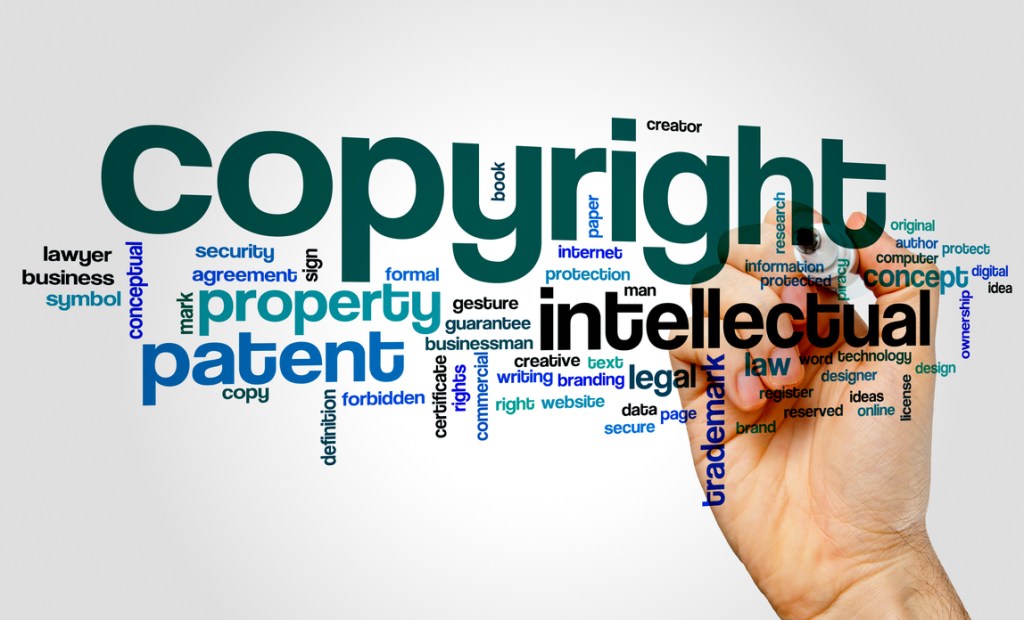
A viewpoint that I found interesting in the article, Yes, Copyright’s Sole Purpose Is To Benefit The Public, is that there is a clause in the copyright law that says that the purpose does not lie in the artist’s ability to benefit from the creation – the purpose is “to promote the progress of science.”   This is the first time I have heard this and maybe I am not fully understanding it, but it raises the question of whether or not there is an expiration date on an artist’s content?  The article states that nowhere does it state in the copyright law that its purpose is to benefit the creator. 

Question:  Do you feel that an artist should be able to hold copyright over their work indefinitely or should it eventually belong to the public?

Works Cited:

10 April 2012. Masnik, Mike. Yes, Copyright’s Sole Purpose is to Benefit the Public  https://www.techdirt.com/articles/20120407/00171418416/yes-copyrights-sole-purpose-is-to-benefit-public.shtml

Downloaded:  Napster Documentary, Google Drive

Fair Use Doctrine https://printing.wsu.edu/copyright/

13 July, 2011 Hollywood Reporter. https://www.hollywoodreporter.com/thr-esq/south-park-wins-lawsuit-what-210849

The Future of Digital Activism

The way in which we seek social justice has changed.  Digital activism is the new protest, even though people still take to the streets and protest.  Some argue that technology is weakening social movements.  It is much easier to throw up a hashtag on Twitter than it is to organize a peaceful protest.  Digital movements offer greater scale, but this won’t matter if there is no motivation or momentum.  Easier to mobilize does not always mean easier to organize.  In the TED talk, Online Social Change:  easy to organize, hard to win, Zeynep Tufekci talks about how movements like Occupy Wall Street in 2000-2014 couldn’t measure quantifiable change and weren’t proportional to the energy they inspired.  Today’s protests seem to not embrace the benefits of working together through differences. 

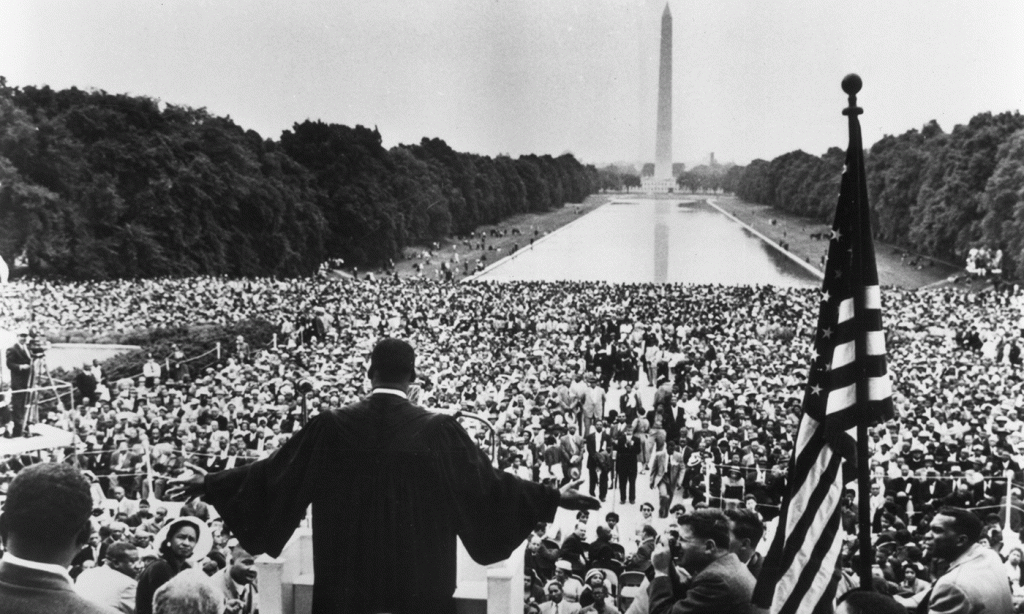
1963 March on Washington.

Digital campaigns are compared to startups that got too big too fast and doesn’t know how to grow or think collectively.  For MLK’s famous march/speech in order to spread awareness and gather momentum, a mimeograph was used to create leaflets that organizers snuck into a University to use.  There were logistics involved such as carpooling, meeting on several occasions, and organizing peaceful protests, conversations that were had over a period of time.  Tufekci argues that you lose something when we take away the process.  This process she argues forms the ability to think together; to think collectively to accomplish a goal.  Part of the thought process and execution of the goals helped the movements to gain momentum.  It is much easier to post a snippet and end it with a hashtag, but by doing this are we doing the movement a disservice.  Are we actually discrediting the movement?  We may be losing it before even gaining traction.  Now, people are getting used to seeing hashtags but they could be losing their significance.    

The infamous hashtag.

Digital movements offer greater scale, but this won’t matter if there is no motivation.  In the reading, Digital Culture Shift Report, the Movement Strategy Center suggest five movement pivots. Each hold a broad awareness that grounds approaches to the Internet in a clear analysis of power.  They propose an approach to the Internet with a digital justice lens, helping groups whom are frequently excluded have more access.

Hold broad awareness that grounds approaches to the Internet in a clear analysis of power. The conventional framing of the “digital divide” presumes that more access to technology will address social inequities, but the everyday lives of poor and working people are not lacking in technology. In fact, their lives are technology-rich. However, much of
the technology is used to track or make decisions about them. Some people may view
technology as an infraction on their privacy. Big data can reproduce existing discriminations.

Lead with a bold vision for our digital future.  Reimaging the meaning and role of civic, political, and organizational tech.  For example, crowdsourcing, democratic participation, Voter Activation Network, and grassroots-led campaign platforms)

Shift focus and funding to elevate new voices and necessary partnerships between those at the margins and those in the mainstream.  This talks about the need to build power being the goal of social movements and the best way to build power is through relationships.  They suggest reorienting our approach to include the interests of marginalized communities thereby creating a fight that both marginalized and privileged communities can participate in resulting in enough power to win structural changes that guarantee equity.

Align and advance a movement-wide and multi-level strategy. Field leaders joined by foundations recognize the need for a more integrated approach.  Together they ask questions like, how do we balance security and privacy?  How will we connect the entire world’s populations? How will we archive all information and make this knowledge accessible?  And How can technology make democracies more participatory and responsive?

Trust and innovate to transform inequality.  According to the reading, both require risks and relationships for new voices and visions emerging from this digital culture shift.

Network sociologist, Manuel Castells describes how “being able to make and maintain and negotiate networks gives people power.”  Technology disrupts networks and may offer opportunities for less privileged people to obtain control, but the privileged have often already regained control of those networks.”

Question: Have you participated in digital movements? What did you find rewarding? What did you find to be challenging?

Works Cited:

Ten Twitter Hashtags that changed the way we talk about Social Issues

https://www.washingtonpost.com/news/the-switch/wp/2016/03/21/these-are-the-10-most-influential-hashtags-in-honor-of-twitters-birthday/

The Digital Cultural Shift:  From Scale to Power

Weekly News Article:

Privacy Concerns

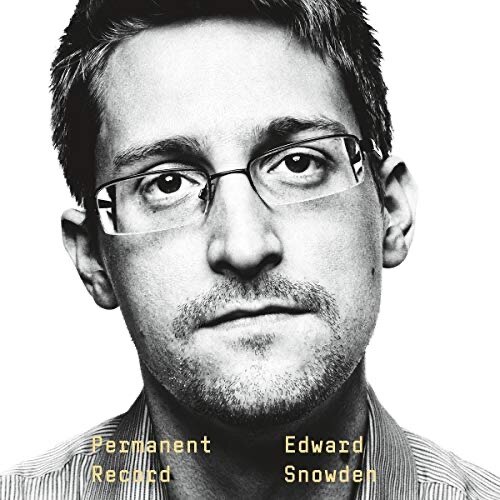
Edward Snowden is the whistleblower responsible for leaking classified information from the NSA.  He is currently living in exile in Russia.  In the movie Snowden, he revealed that the government is essentially spying and has access to everything from emails, phone contacts, texts, and digital media to our banking information, credit card to spying on family members if you are suspected of anything suspicious.  The NSA uses a global surveillance apparatus, has global partner companies in global surveillance, harvests email and instant messaging contacts and can pretty much get any information if they feel it is beneficial to them.  The NSA uses XKeyscore, an analytical tool that allows for collection of almost anything done on the internet.

We are essentially living under surveillance.  Edward Snowden felt that our private information should not be privy to the government to spy at will.  He thought that the decision should be made public for the American people to decide.  In his interview, he is asked why he came forward and his response is, “the state power is against the people’s ability to meaningfully oppose that power.”  He didn’t like that he was the one sitting there furthering this intrusive behavior.  At one point he pointed out that he could watch drone strike videos in real time; surveillance drones following someone’s house for an hour. 

Edward Snowden

Originally, the NSA tightened up on security measures using the Patriot Act in response to the 9/11 attacks which allowed them to access records and information.  Now, the NSA is getting intelligence wherever it can.  In the You-Tube video MSNBC interview, 11th Hour with Brian Williams Exclusive, Snowden says, “What they are selling is us.  Stealing our power and making it work for them.”  This is pretty mind-blowing when you think about it.  Even after seeing Snowden I don’t think I can fully wrap me head around the sobering fact that the NSA, CIA, may be looking into our every day lives.  What are they doing with all of our data? They are collecting all of our information.  Snowden says you don’t have to have done anything wrong.  That they are collecting data and can come back later and use that information against you in the future and if you have done something that is suspicious in nature, they can use that information against you. 

NSA whistleblower Edward Snowden: ‘I don’t want to live in a society that does these sort of things’

The War of the 21st century is Cyberwar.  The modern battlefield is the war of information.  Some of our largest telecommunications providers are betraying their customers.  The NSA can recreate your exact steps and essentially know what it is you do in everyday life.  Snowden introduces the term “linkibility” which means that you take one piece of data and link it to other data.  He spoke about metadata agridata, which means that they can link your metro card, your debit card, your bank account.  Snowden is more willing to risk imprisonment than the curtailment of his intellectual freedom.  He accepts that he will live in fear of coming forward and says he is willing to risk it all because people need to be aware of what is happening and have the ability to decide.

I feel that Edward Snowden was brave in coming forward given the risk that he is taking.  I don’t think it was an easy decision. Being privileged to the vast amount of people’s information on a daily basis, I can see how this would have affected his conscious.   I can understand why he feels justified in his decision and understand that just because he has the ability to do these things doesn’t make it right.  I feel that he could be considered a patriot because he is protecting the American people and their right to choose to protect their own information.  If he didn’t come forward, the public would not be aware. 

Question:  In what possible ways will cybersecurity be increased in order to protect our information in the future?

Works Cited:

-2016, Snowden. IMDB

-Full Interview: Edward Snowden On Trump, Privacy, And Threats To Democracy | The 11th Hour | MSNBC

https://www.youtube.com/results?search_query=edward+snowden+brian+williams+full+interview+

-NSA whistleblower Edward Snowden: ‘I don’t want to live in a society that does these sort of things’

News Article:

VOTE, whether it’s early, mail-in ballot, or in-person.

Who are the ‘Bad Guys’?

Cancel culture has become a way for people to publicly shame others who they feel have acted inappropriately. In some ways it has brought attention to many injustices and called individuals out for their bad behavior, but it also has consequences. It is easy to hide behind a desk and a computer and say things that you wouldn’t normally say to someone. What has happened to our ability to talk things through and engage in conversation? According to a Harper’s Magazine article, A Letter on Justice and Open Debate, the free exchange of information and ideas, the lifeblood of a liberal society, is daily becoming more constricted. According to experts, we are becoming a society of intolerance to opposing viewpoints. The normalcy of public shaming and censorship is going to be stifling to our democracy.

“The way to defeat bad ideas is by exposure, argument, and persuasion, not by trying to silence or wish them away.”

-A Letter on Justice and Open Debate, Harper’s Magazine, July 7, 2020.

The opposite side of this argument is discussed in the Independent article, The Spiral of Silence: How Social Media Encourages Self-Censorship Online. The article argues that social media stifles discussion on important issues. This resonates with me because I know that sometimes I would like to post my true opinions but resolve to not post them because of facing backlash from others. I also don’t want to “have it out” with family members who may feel opposition to what I am saying. I really just don’t feel like arguing with anyone. Yet, I also am weary of not being able to have real discussions with others. I feel like now, politics are so tied in with everything that is going on that it would be difficult to have a thoughtful and informative discussion. In the article, How Social Media Encourages, researchers produced a report suggesting that Facebook and Twitter make us less likely to express opinions if we think others will disagree with us. The researchers concluded, “An informed citizenry depends on people’s exposure to information on important political issues and on their willingness to discuss these issues with those around them.” I wonder what will happen to our democracy if we are unable to have real discussions?

We have become a nation of shamers and judgement makers. I have a hard time knowing how to feel about this because in the moment it can seem like a good thing if someone is facing consequences for their bad behavior. Quite possibly, they wouldn’t have been caught and could go right on through life being a jerk. But where does it stop? This is a difficult topic and I don’t think there is necessarily one solution. It only takes one minute to post something on social media that you regret possibly for the rest of your life. Does that mean that you should lose everything when there is the possibility of learning something?

In the Black Mirror episode, Hated in The Nation, we saw what happened to the people who publicly shamed an individual by posting #deathto_ The journalist, Jo Powers was sent a cake with obscenities and constantly harassed online and had obscenities shouted at her when walking down the street. When Jo is murdered, Blue who is working with the police suspects it has something to do with her online column. Blue and the detective, Karin have opposing viewpoints and Karin downplays the effects of internet rage when she says, “That internet stuff drifts off like weather. It’s half-hate, they don’t mean it. The hate in a marriage, that’s in 3-D, that’s had work put into it, that’s sincere.” When they continue to investigate the murder, they speak with a teacher who also applied the hashtag and find out that it was crowd-sourced. The teacher tells them about the #deathto_ hashtag and doesn’t see anything wrong with it. She thinks it is funny.

Black Mirror: Hated in The Nation, Netflix

When they do the autopsy of Jo, they find the ADI drone honeybee lodged in her brain and that is when the episode takes a further twist. Blue figures out the connection between the bees and the hashtag and finds out that the person who gets the most hashtag in a day will be killed. Unaware, the hashtaggers are sought out and attacked by an individual ADI bee which seems to attack their nervous system giving them a seizure and convulsions. “The technician said that the ADIs crawl through the area of the brain where you feel pain, causing immense agony.” They meet a woman who is badly shamed on the internet and her roommate, Garrett is the one responsible for the attacks. He had written a manifesto explaining that he is doing this to show the effects of public shaming. They discover that he has a list of everyone that has used the #Deathto_ hashtag. He then sends the swarm of bees to kill everyone on the list for using the hashtag. He escapes, but it is later shown in a remote city with Blue tailing him. It is implied that justice will be served. I thought this was a good episode in that it highlighted Internet bullying, harassment, public shaming, and the dangers of AI all in one episode.

How do you feel about public shaming? Have you ever been the victim of internet bullying?

Works Cited:

The Spiral of Silence: How Social Media Encourages Censorship Online https://www.independent.co.uk/life-style/gadgets-and-tech/spiral-silence-how-social-media-encourages-self-censorship-online-9693044.html

Harper’ Magazine, A Letter on Justice and Open Debate, July 7, 2020.

Black Mirror, Hated In The Nation (Netflix) Season 3, Episode 6

Weekly News Article

Pecorrin, Allison, Turner, Trish. Unanimous Senate commits to peaceful transfer of power after Trump refuses. ABC News. September 24, 2020.

https://abcnews.go.com/Politics/unanimous-senate-commits-peaceful-transfer-power-trump-refuses/story?id=73216758