Is the Internet going to far?

In this week’s class, we read two articles, listened to two podcasts, watch two videos, and browsed a site called Replika. In class, we talked about what an AI is and what they do. An AI or Artificial intelligence, sometimes called machine intelligence, is intelligence demonstrated by machines, unlike the natural intelligence displayed by humans and animals. In today’s society, we see AIs all over the internet. From Facebook messager chatbots to Replika. Replika is an AI-based software that engages with its users by a text-styled program. Replika creates a relationship with its user by learning their personality through text interaction. By acting as a friend who is very supportive this AI learns who you are and replicates it. This program helps you learn more about who you are as a person and gives you supportive advice along with just listening when you need to talk to someone. 
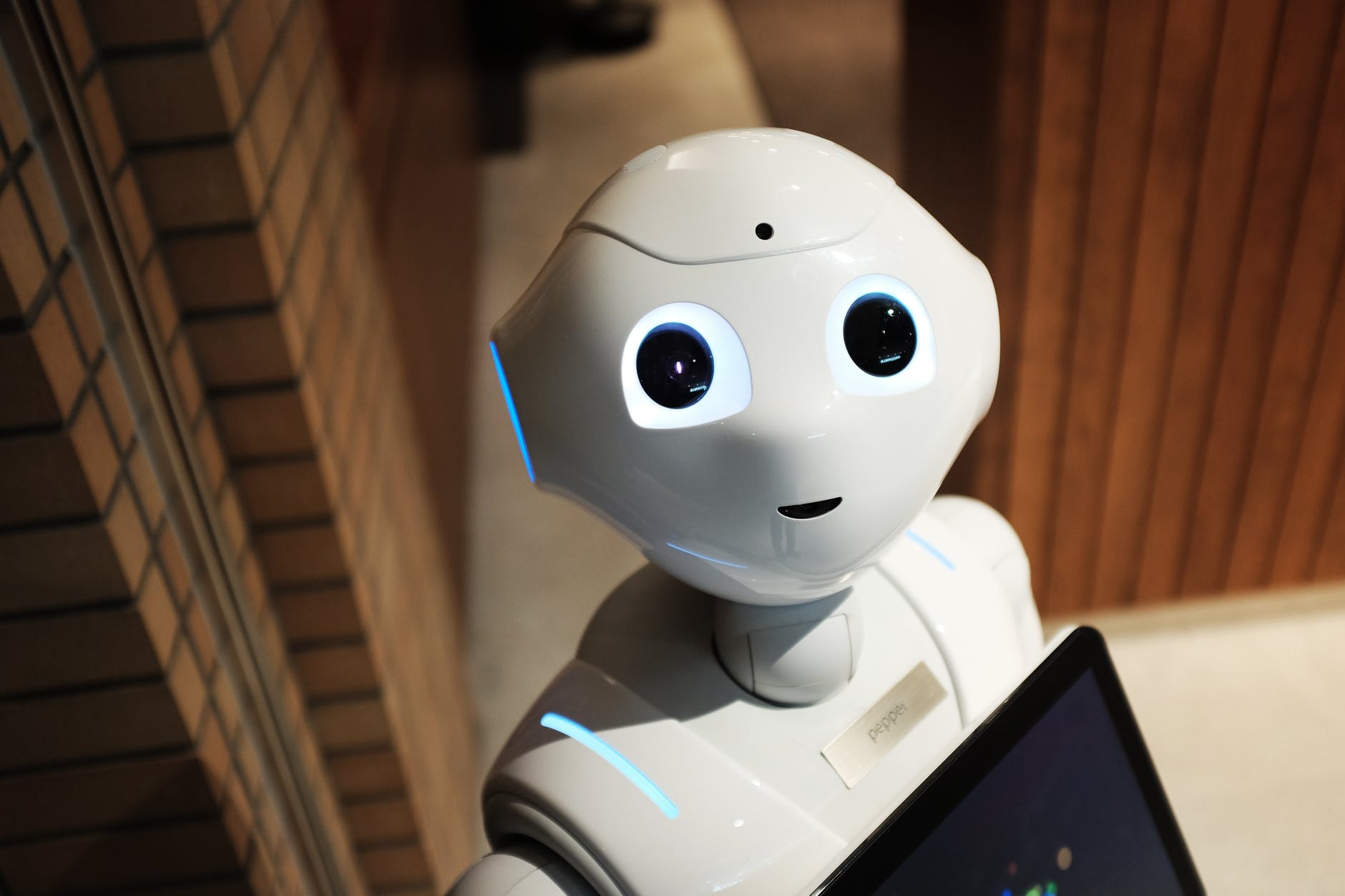
Photo by Alex Knight on Pexels.com

We see in Black Mirror, Be Right Back, that the loss of Martha’s Boyfriend puts her into a deep depression. After finding out she was pregnant she used a link her friend sent her to talk to an AI that has all of Ash’s social media posts and creates a likeness of him. She spends days messaging this AI and eventually, she starts calling him. She spent all of her time on her phone talking to him and freaks out when she drops her phone, she starts treating her phone as if Ash was inside it. Finally, she takes things to the next level…she receives a human cast to put Ash’s memories in and act as if he is still around. This takes a toll on her mental health leading her to break down for all she wants is the real Ash back. As this story wraps up we see her and Ash’s daughter on her birthday, we see the AI is still living with them and stays in the Attic. Do you think this is a healthy response to loss? Would you try something like this?

Photo by Pixabay on Pexels.com

Another part of this week’s learning was about the differences between social networks and online communities.  So what are these two terms and what do they mean? First, we’ll look at social networks. “Social networks, in the simplest of terms, are much like your offline social networks. We all have groups of friends, relatives, coworkers and acquaintances that we speak to and see on a regular basis, right? This is the key to Social Networks – they revolve around a group of people you already know or have already met.” Social networks are apps like Facebook, Snapchat, and Instagram. These apps are common in everyday use and while some people use one or the other more people have an account on all three networks. We reach out to old friends or people we haven’t talk to in a while. Now we have online communities, “communities form out of groups of people from all different backgrounds and histories. From a social and anthropological standpoint, these are the most interesting to study because they consist of people who probably have never met yet are held together by a common interest or goal. People join online communities for all sorts of reasons – perhaps they share a preference for similar things or a similar lifestyle”. There are tons of different apps for online communities, from apps that feature anonymous confessions to apps that group with others based on your interests. Have you ever used any apps like these? Do you prefer social networks or online communities? 
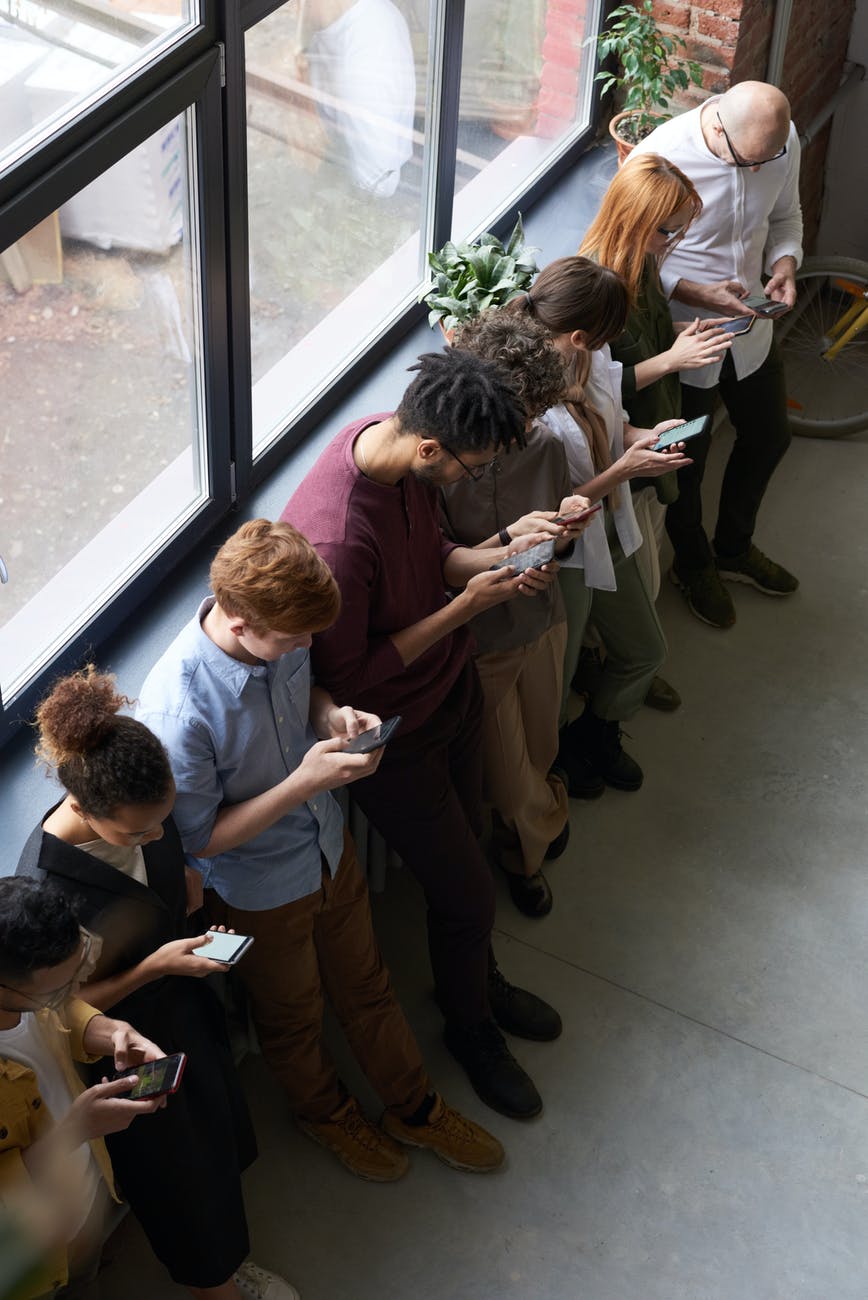
Photo by fauxels on Pexels.com

Weekly News: https://www.nytimes.com/2020/09/18/business/trump-tik-tok-wechat-ban.html

This week we see that President Trump has taken his plan to ban TikTok to a new level and is in the process of getting it off the app store.
Influence

In this week’s class, we read three articles, watched three videos, and listened to one podcast. We are focusing more on the topic of what social media is and what it does. Social media has become a huge part of everyone’s life, and it is to the point we do not know what we would do without it. Social media has grown to the point we are addicted and creators of these platforms make it their goal to make us more addicted. As we discover new apps or products social media offers us we do not really think about how they can understand what we want and do want. By clicking agreeing to terms we don’t really think what these terms are. What information do these platforms know and what more are they going to learn? 

Photo by Cristian Dina on Pexels.com

Social media has taught us to think more about ourselves rather than other people. By getting people to focus on likes and shares we have lost focus of treating other people well or human. “There are several reasons why “Know yourself” has obscured “Take care of yourself”. First, there has been a profound transformation in the moral principles of Western society. We find it difficult to base rigorous morality and austere principles on the precept that we should give ourselves more care than anything else in the world. We are more inclined to see taking care of ourselves as an immorality, as a means of escape from all possible rules.” (Technologies of the Self- Micheal Foucault) We as a society have lost touch with people, we have become more self-involved and self-serving. With losing our connection to people or connection to our world is also being lost, we only look for what best interests us or what benefits us before what is good for others or the environment. “Therefore, it is difficult to see concern with oneself as compatible with morality. “Know thyself” has obscured “Take care of yourself” because our morality, a morality of asceticism, insists that the self is that which one can reject.”(Technologies of Self)

Photo by BIQTO on Pexels.com

In Black Mirror we saw a guy whose entire life was controlled by social media, it was everywhere from when he want to bed to went he woke up. Social media controlled what he did and when he did it, by scheduling humans likes machines the human brain starts to go numb. In this episode, we saw people being controlled by who they were online, and their only yearning in life to be famous. Because of this, we watch as a young woman was stripped of her dignity and follow the path others want her to. Imagine someone had that much control over your life, how would you feel? What would you do? This action makes our main character look at this system entirely differently, and in order to speak out, he played by their rules first. Once he finally said what he needed to the system coorperated with him instead of fighting what he was saying. People on social media didn’t see or choose not to see what the truth was, but they agreed with our main character. At the end of this show we watch as our main character spoke to others through social media, but at the same time was he really being honest with himself? How would you have handled the situation? Does social media have a big part in your life? Does social media influence your choices?

Photo by cottonbro on Pexels.com

For weekly news we see that college student’s are shaming thier colleges for how they are responding to COVID. https://www.nytimes.com/2020/09/10/technology/coronavirus-quarantines-college.html?searchResultPosition=1

Changing Minds

In this week’s class, we read one book, six articles, watched one episode of Black Mirror, listened to one podcast, and watched two Youtube videos. During class, we went over some of this material. We also talked about social media and how it affects us. Overall this week was about how the internet has changed the way our civilization thinks. By having phones on us or around us we can get distracted from the real world and lose touch with the things and people around us. 

Photo by Drew Williams on Pexels.com

Personally I found the readings very interesting and surprising. I use to read one book per night as a child, and as I grow older I became more connected with the internet. As I stopped reading I realized can not stay focused for long as I use to. In, “Is Google Making Us Stupid?” my personal thoughts confirmed, by having access to so much information we have lost interest in having to look for an answer. “My mind would get caught in the narrative or the turns of an argument, and I’d spend hours strolling through long stretches of prose. That’s rarely the case anymore. Now my concentration often starts to drift after two or three pages. I get fidgety, lose the thread, begin looking something else to do. I feel as if I’m always dragging my wayward brain back to the text. The deep reading that use to come naturally has become a struggle.” This quote from, “Is Google Making Us Stupid?” puts into words how I have been feeling. The human mind is almost infinitely malleable, so while the internet may be affecting it, it is not damaging our brains in any way. The internet has made our minds form new ways of learning. This is the so-called Google effect; Google nor the internet are not making us stupid instead it is changing how our minds are processing information. “There is no question that the new technologies are changing our lives. But here we need to remember: The more things change, the more they stay the same.”(Google Is Not Making You Stupid)

Photo by Pixabay on Pexels.com

Now we will move on to social media. Do we really know what it can do to a person? The majority of us have at least one version of social media. The term social media is broad, but usually, we think of apps such as Snapchat, Instagram, Facebook, Twitter, etc. There are all different types of social media ranging from Tinder to your Game Pigeon account. “In online sharing, we are playing to a crowd. On some level, we acknowledge this. The crowd consumes the content that we share and, if we a favored, it passes it on. The crowd honors the identity that we create by sharing this content.”(Foucault and Social media: life in a virtual panopticon) Social media can be positive and very negative. Some people can become obsessed with their profile and how many friends/ followers they have. “No doubt this satisfies a deep psychological need for recognition. Whatever it is drives it, it draws us back to share and share again.”(Foucault and Social media: life in a virtual panopticon) In the Black Mirror episode we watched, we saw an alternative reality where we can record our memories and play them back. We witnessed a man finding out his wife was unfaithful, and in the end, he was so hurt with be able to remember how happy he used to be he took out his memory device. Imagine your parents forced you to show the your entire day, would the find something that would break their trust? Or a secret you have been keeping?

I’ll wrap this up with questions for you: Have you been influenced by any online celebrities? Do you have over two different types of social media? Have you ever sent something negative or received negative messages?

Photo by Cristian Dina on Pexels.com

Inroduction

Hello everyone my name is Joyann Boice, but I go by Joy. I am a freshmen studying business. I come from a small town that is about thirty minutes south of Albany, New York. I look forward to learning at Alfred and meeting new people.