The World of Dog Shows

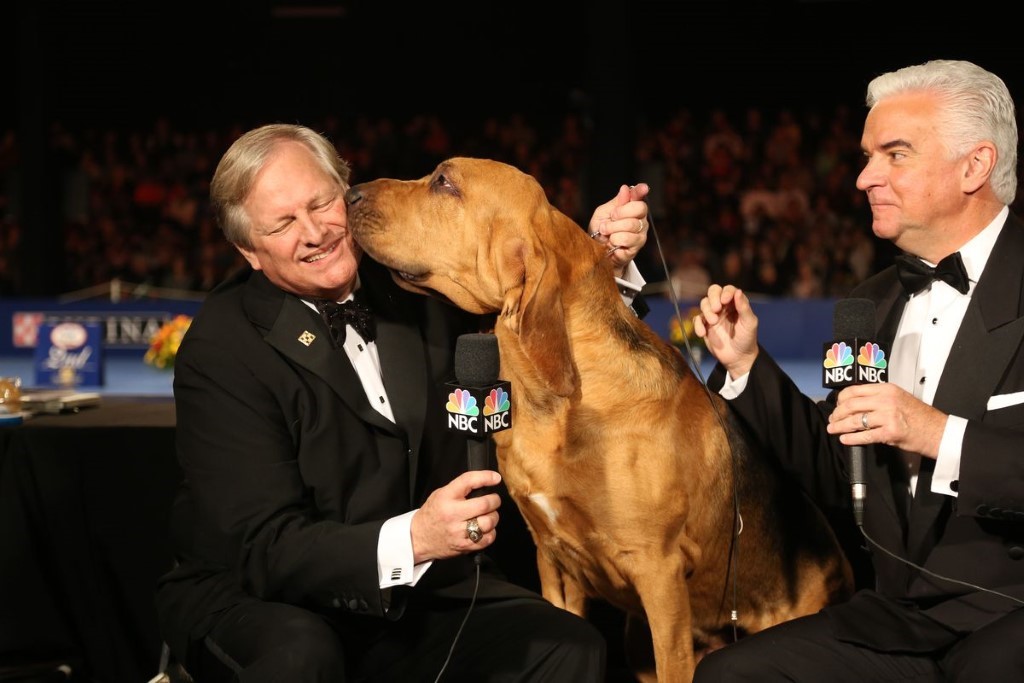
Since I was born, I cannot remember a time where I never had a dog. Even before I was born my mother participated in showing dogs for conformation. Conformation is judged based on the dog’s appearance and how their handler shows them off. A good handler knows their dog’s weak points and strong points and shows off their strongest areas. For example, if a dog has a pretty head (judged based on the standard for the breed) the handler will focus on showing off the dog’s head foremost. There are many common myths about dog shows and many people that will judge them based on the media they are seeing. In, Uncomfortable Westminster Kennel Club Facts From PETA, we read, “The show encourages the breeding of “purebred” (genetically manipulated for long noses, big chests, hunting abilities, etc.) dogs, even though more than 6 million homeless animals end up in shelters every year and half them must be euthanized for lack of good homes.” This is one of the many things organizations like PETA say to cover their own tracks. While the shows do encourage purebred breeding there are many events include agility, tracking, hunting, and herding the permit mixed breed dogs to compete. None of these dogs are genetically modified, but simply breed to partners that can help produce a litter of even prettier puppies then their parents. The only type of genetic modifying there is freezing sperm and artificial insemination, both are also used with humans. So, to say a dog is genetically altered is to say any child born through these are genetically altered. I personally have a nephew who wouldn’t have been born if not of the advanced technology we have. I know if anyone told him he was genetically altered there would be a fight. There are millions of animals given up each year and dog shows have been to blame for most of it. The truth is most people will give up an animal based on them growing too big, not be trainable, or simply just because they don’t want them anymore. “A Salon report exposed the cruelty of the multibillion-dollar industry behind events such as the Westminster dog show, including large-scale breeding farms, puppy-mill brokers, auctioneers, and pet store owners. They all cash in on the demand for purebred puppies who are produced en masse after a Best in Show win.” Most if not all the breeder in the dog show world will have a contract with people who want to purchase a puppy from them. These contracts include clauses about if for whatever reason they cannot keep the dog anymore to contact the breeder and the breeder will take the dog back. No one wants to see a puppy they raised for a minimum of eight weeks to end up at a shelter. Most puppies are microchipped before going to their new homes in case something was to happen to that puppy. Shelters scan all animals in case of this. There was a time I remember getting a phone call and it was from a woman who bought a puppy, roughly a year before the call, and she was diagnosed with terminal cancer. She was an elderly woman and wanted to stay with her son as long as she could, her son couldn’t have any dogs where he lived. So, she dropped the dog off and said goodbye; it was a heartbreaking goodbye and both her and the dog were crying. Dogs are a lot more sensitive to their human’s emotions then we realize. The dog didn’t end up at a shelter and instead stayed with my family for the time.  
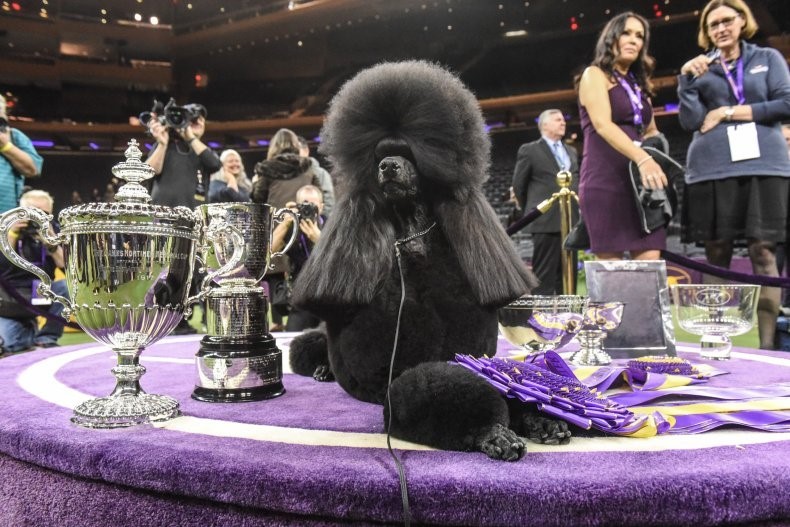
Meet the Poodle That Won the Westminster Dog Show's Best In Show

In Controversies from the Westminster Dog Show through the years, we read, “Unfortunately, dog shows have been plagued by some of these people for years,” he said. “I’ve heard horror stories about other people’s dogs having their setups tampered with, being poisoned, but I never thought it would come to me.” This is one true thing I have seen in the show world. People from organizations have believed that dogs are better dead then to be in the show world. What some don’t understand is that because dogs are judged on how they look and any negligence or trauma to the animal can be seen by the animal’s reaction or just obvious to everyone. I can safely say that all mu animals and those I have meet through showing are for the most part better treated then children. Dogs must be washed, groomed, walked consistently, and their food intake is regularly monitored. While the dogs are in the ring the primary choice of treats are chicken, hot dogs, and steak. I two very picky dogs, one will only show for marshmallows and the other only steak. In Criticism of Dog Shows, we read, “Particularly, the shows’ insistence on exclusively purebred dogs and dogs’ aesthetic qualities has brought up issues about the ethics of breeding... In this way, breeding for physical attributes can lead to inbreeding and consequently, dogs with weaker immune systems and birth defects.” Much like humans, a dog’s genetic background may influence their health, personality and nutritional needs. Dog shows are meant to celebrate these distinctions and give dogs an opportunity to show off the best qualities of their breeds and personalities. Each breed is different, and all have been bred to meet a particular need for a particular purpose. Knowing the past of breeds and preserving breeds into future generations will help mitigate certain health concerns if done correctly.  There are also breed-specific diets that conform to each breed’s particular needs by customizing certain features, such as kibble size, nutrients, and more.  
Criticism of Dogs Shows states, “People for the Ethical Treatment of Animals (PETA) have also held issue with aspects of the Westminster show. Particularly, they object to the practice of tail-docking, or amputation, which is done to adhere to some breeds’ standards. PETA filed an official complaint against the Westminster Kennel Club in 2004, claiming that its support of tail-docking violated New York state laws against inhumane procedures on dogs.” The incidence was 0.23 percent in the largest report to date on tail injuries in dogs and it was estimated that approximately 500 dogs need to be docked to avoid tail injury. It has been proposed that some types of dogs, or dogs used for purposes, have a higher incidence of tail injury. After a ban on docking, an unregulated analysis of German Shorthaired Pointers in Sweden suggested that there may be a high level of tail injury. Docking has shown to help certain breeds out and help prevent injuries. While none of the dogs I own need tail docking it is something that needs to be based breed to breed. There are some many more rumors encompassing dog shows and I can talk about them all day. All I ask is that BEFORE you judge something do some research on the topic and make your own conclusion rather than seeing something on social media and intently judging it.  

What surprised you the most? Do you own a dog? If so what breed/ breeds are they? Are you a dog or cat person? 

References:  

https://www.insider.com/westminster-dog-show-controversies-history-2020-2#when-a-prize-winning-dog-appeared-to-die-of-poison-in-2013-his-owner-claimed-there-was-foul-play-2

https://www.salon.com/2016/02/15/the_big_money_behind_best_in_show_how_the_westminster_dog_shows_four_legged_tv_celebrities_fuel_the_high_dollar_puppy_business/

https://animals.howstuffworks.com/animal-facts/dog-show4.htm

The Influence of Phones

This week consisted of four articles, watched two videos, and browsed one website. In class this week we heard from group 5 and they presented the book Information Wars: How We Lost the Global Battle Against Disinformation. They did a great job and it seems like they understand the book and it was perfect for this discussion. Our generation is the most affected by the change in technology. In the older days, people could easily escape what people or bullies said about them. In today’s society mean comments and stereotypes of what you should be is everywhere. “I think social media has taken over for our generation. It’s a big part of our lives, and it’s kind of sad.” (Kendall Jenner) In our article, The Kids Are Not Alright, the number of young people who are struggling is rising, experts claim, and they are trying to find out how best to help. Teen minds have often longed for stimulation, and by default, their emotional responses are urgent and often weakening. The biggest variable then is the environment in which this stage of growth is navigated by teenagers. There was a pervasive feeling in hundreds of discussions with adolescents, parents, therapists, and school counselors around the nation that becoming a teenager today is a draining full-time job that entails doing schoolwork, managing a social-media persona, and fretting about career, climate change, sexism, racism, you name it. For hours or days after the event, every fight or slight is reported online. They’re exhausting and teens are exhausted. 

In our other article, Rushkoff Study Guide, we read about how social media and our phones have affected us and have changed the way we think. Time is a notion unknown to our digital devices. This condition has led us to be more concerned with the latest information than with the most important information. We must extend the notion of time to our digital devices in order to remain functional, productive humans. The digital world offers the potential for interaction between groups of individuals who may not be close to each other physically. This is an exciting technology growth, which has many proven advantages for bringing people together and enabling knowledge to be crowdsourced. There are elements of physical interaction, however, which can not be simulated by the use of digital media. In translation into the digital world, eye contact, physical touch, facial expression, and movements are sometimes lost. Choice number one should always be in-person contact. In our world, we should reconnect with people and not let ourselves be drawn into the allure of checking our phones every two seconds. It is essential that we can not forget what personal interaction is and how important it is to us, because if we forget what is left for the generations after us? Will they know personal interaction or will they be subject to phone interaction and not knowing how to talk to others? It is a scary thought that we could be subject to exclusively phone interaction and no human contact. During covid, we have all felt this and I can say I personally hate it. Not being able to go anywhere or being forced to facetime the people we miss instead of seeing them in person. 

Have you felt this? How are you doing through this pandemic? What do you think life would be like if we didn’t have interaction with others?

Weekly news:

Personal Identity

This week’s class consisted of three articles, three videos, and one Black Mirror episode. In our Black Mirror episode, White Christmas, we see three short stories. Matthew coaches Harry to use a device to reach Jenifer at a party, which helps Matthew to see, hear, and speak to Harry as he makes a move on her. In the beginning, we see how in practical terms, this kind of technology can come to be used, similar to the Google Glass we have today. But in the end, the twist, which depicts Jenifer as mentally ill, also takes a turn in the way this scene should be perceived. Taking the story to the road of madness helps the spectator to concentrate his attention on the difference between the two characters, on how their feelings come to mind, and how they vary in that respect.

 A thought experiment that is ancient as the practice of philosophy itself in the second story where Greta tries to literally split her mind from her body. In this scene, there are a lot of elements that display the inconsistencies that come to mind about the probability of this kind of separation, and moreover, whether this kind of distinction is even possible between mind and body. Nevertheless, I like how this scene shows how not only social affairs and physical desires such as sex, tiredness, and hunger inflict human suffering, but even if you take all of this away, and only sit in a state of thought, this alone can cause great misery. With respect to the moment that Mathew prefers to drift the time in the subjective sense of being of Greta. You can’t help feel deep empathy for the agony that Greta the electronic egg is going through when Matthew presses the button to advance in time for six months.

It can be shown how Joe creates the gender and character of his child by imagination alone, only to find out he is incorrect, and the child he was watching is not even his. In addition, Joe confesses his wrong act of attacking Beth’s father at the end of the episode, but as in the case of Greta, the audience knows that the whole confession took place only in the mind of Joe. The following scene indicates that this sort of confession copied from the original Joe from a “cookie mind” is adequate to convict him in court.

In one of our articles, If It Doesn’t Spread, It’s Dead, we read about culture. The word culture comes from agricultural metaphors: the analogy was to cultivate the human mind just like one cultivates the land. The assertion of human will and agency over nature is thus reflected by culture. As such, cultures are not something that happens to us but we collectively build cultures. Certainly, every person can be affected by the culture around them by the fashion, media, speech and ideas that fill their everyday lives, but by the choices they make, individuals make their own contributions to their cultures.

We must ask ourselves questions everyday, who are we and want do we stand for. What did you get out of this episode? Which part was your favorite? How do you feel with your identity?

Weekly news:

Privacy Revoked

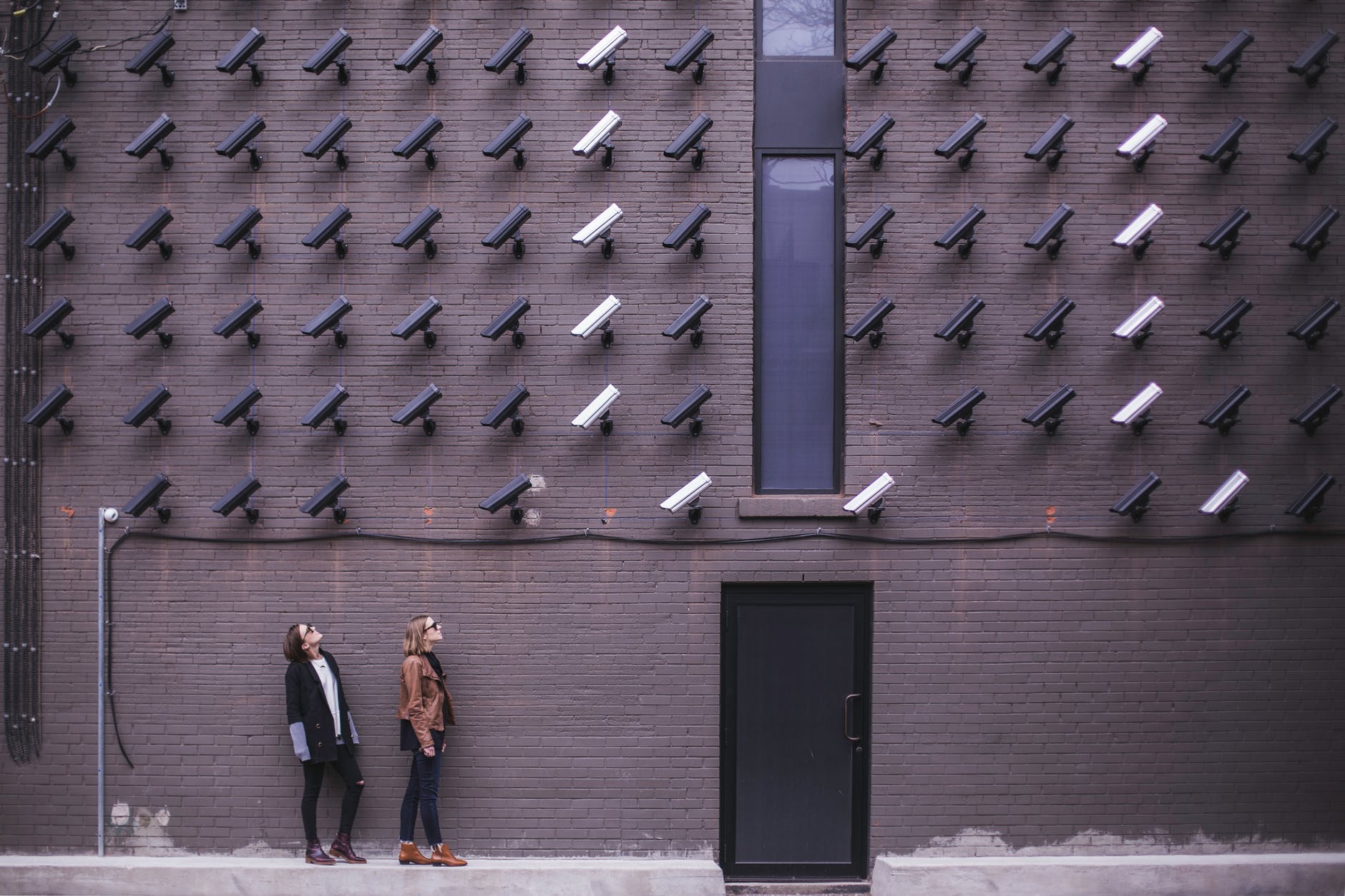
This week we read six articles, watched one video, and browsed one website. I had my group’s book presentation on Frenemies by Jaime Settle. I believe we did okay, but what I really liked was learning Settles’s different viewpoints. In the article Why Privacy Matters Even if You Have ‘Nothing To Hide’, we read that those who claim they have nothing to hide usually do. We all do honestly, no one wants someone looking at everything in their life meaning bills, trash, private photos, and their phones to name a few. On the surface, the nothing-to-hide claim seems easy to dismiss. Possibly everyone has something to hide from others. Everyone is guilty of something or has something to hide, as Aleksandr Solzhenitsyn said, “All one has to do is try hard enough to figure out what it is.” The nothing-to-hide claim, in a less drastic form, applies not to all personal information, but rather to the type of data that the government is likely to obtain. Retorts to the nothing-to-hide point about revealing the naked bodies of individuals or their darkest secrets are only valid if this kind of knowledge is likely to be gathered by the government. In certain cases, the data will hardly be used by anybody, and it will not be revealed to the public. The interest in privacy is therefore marginal, some would say, and the security interest in preventing terrorism is far more significant. The nothing-to-hide claim in this less severe form is a formidable one. It seems, however, from some defective assumptions regarding privacy and its meaning.

Photo by cottonbro on Pexels.com

In our other article, The Humiliation of Katie Hill Offers a Warning, we read that a politician, Katie Hill, was exposed to revenge porn. Hill engaged in a deep violation of accountability by engaging in a romantic relationship with someone who worked for her from her own account, and by doing so while running for public office. She stated “For the rest of my life, the mistakes I made which brought me to this moment will haunt me” Congressional participants are no strangers to bad behavior. But it would be intentionally cynical to shove aside the awkward complexities of Hill’s relationship with a staffer who was her junior for nearly a decade, and a recent college graduate, at a time when Americans are reshaping the complicated landscape of sex and power in the workplace. All together we have to ask the question was this ok to do, and I believe all of our answers are no. This is not an okay thing to do to another person, ever.

Photo by Brett Jordan on Pexels.com


In another article, 6 Reasons Why Revenge Porn Is Really Fucked Up, we learn that 90% of revenge porn victims are women. Social media has portrayed women’s bodies as objects and things to be owned instead of treated as human beings. By its very meaning, revenge porn is non-consensual. It is a form of harassment to post graphic material without someone’s permission, even if they consent to take photographs or videos. We should have full power over our bodies and our sexuality as human beings. It is undeniably a form of violence to violate our bodily autonomy and to cause our bodies to be subject to degradation and unwanted sexual abuse. Revenge porn is a product of rape culture and should be treated as such. I believe we should have a federal law pertaining to this and more so crack down on those doing this.

Photo by Kat Jayne on Pexels.com

Do you have anything you don’t want others seeing? What about videos that you pray will never come to light? Do you know a victim of revenge porn?

Weekly news:

Facebook and Celebrities

This week’s class consisted of three articles and two videos. This week’s class was a bit different as we just watched a recording. In The Social Network which is about Mark Zuckerberg’s start creating Facebook. The creation and early days of the social networking website Facebook are portrayed as told by flashbacks through deposition proceedings for two parallel lawsuits. Harvard students Mark Zuckerberg and Eduardo Saverin were once best friends-officially identified as co-founders of the website. Zuckerberg, who showed a streak of arrogance on an online blog about his ex-girlfriend and a website he developed to allow its users to rate the hotness factor of girls on campus, was asked by fellow Harvardites, wealthy twins Cameron Winklevoss and Tyler Winklevoss, and their friend Divya Narendra, to enter into an agreement specifically for Harvard to develop a social networking website. Zuckerberg consented. Instead, Zuckerberg wanted to create his own website with financing from his friend Saverin without telling the “Winklevi” (as he calls the twins) and Narendra. The assertion by Zuckerberg was that in his work he never used a line of code given by the three. When “the Facebook” started to flourish as it was then called, the twins and Narendra had to find out what to do to reclaim what they believed in their intellectual property without having to sue, because that’s not what Harvardites do gentlemanly. 

Photo by Pixabay on Pexels.com

Zuckerberg and Saverin started to have a difference of opinion as the site was taken to more and more university campuses: Saverin wanted to sell ad space to raise revenue (as he was the sole financier of the website and had a profit mindset focused on being an economics major), while Zuckerberg, never interested in profits, did not want to go that route as the advertising would make the site lose interest. The platform attracted the attention of Sean Parker, the founder of Napster, whose own dot-com life had its spectacular ups and downs. As Parker incorporated himself into the life of Facebook (much to the chagrin of Saverin) and as Zuckerberg began gradually to side with Parker, Saverin slowly began to be phased out of both the personal and professional life of Zuckerberg. Initially, Saverin invested $1,000 to start the business and has been investing and supplying the business with funds to get it up and running. When Saverin sees that Parker, who Saverin thinks is bad news, has strongly affected Zuckerberg, he freezes the bank account and the money. Zuckerberg then finds a businessman, Peter Theil, who is making a $500,000 investment. Saverin was in NYC trying to win sponsorship deals that Zuckerberg and Parker did not see as a good course for the venture. For Facebook, he and Zuckerberg saw something larger, which finally became just” Facebook “on Parker’s suggestion. When Saverin returned from NYC the last time, he learned that his company shares were reduced to .03 percent and Saverin was outraged. Zuckerberg finally ended up settling with the brothers Saverin and Winklevoss. One million members just broke Facebook. Facebook is estimated at US$ 25 billion, making Zuckerberg the world’s youngest billionaire.

Photo by Sora Shimazaki on Pexels.com


Moving on to our article, Why People Get Annoyed at Celebrities on Kickstarters, we read about why a filmmaker was asking for donations on Kickstarter. In this article, we read and come more to an understanding that this director can’t pull $5.5 million out of his pocket to fund this. We can forget that while people crave to be a celebrity it’s not all about the money. “In other words, if people think you have a lot of money, they’re going to ask why you’re asking them for more. There always will be a backlash against anyone who seems like they’re reverse-Robin-Hooding a situation.” I believe it depends on the person, they either wish for fame and money or simply just to be recognized for their works. I can honestly wish there were more people in it for the recognition but sadly that is not the case. Those who do it to show their work to the world are the ones we should be supporting. Rather than supporting those in it just for the money, we should change our view and really ask ourselves, is this someone to look up to?

Photo by Pixabay on Pexels.com

Have you noticed Facebook’s ever changing algorithm? What about celebrities only posting for brand deals? Who do you know just trying to get their work recognized?

Weekly news:

Fake News

This week’s class consisted of group three’s presentation, read seven articles, and watched three videos. We started class with group three’s presentation, they did a great job and had a well-thought-out presentation. “We take newspapers for granted. They have been so integral a part of daily life in America, so central to politics and culture and business, and so powerful and profitable in their own right, that it is easy to forget what a remarkable historical invention they are.” (Goodbye to the Age of Newspaper) Before technology newspapers were one of the only ways to get information out to the public. During the nineteenth century, newspapers gave people information on what is happening around the state, country, and world. During the rise of the internet, newspapers started having problems, people could start looking up things using computers and the newspapers start dying. The recession further pushed newspapers out of the market and forced editors to lay-off their journalists. By two-thousand and eight most newspapers were out of the market and they became a forgotten part of regular society. “The financial crisis of the press may thereby compound the media’s crisis of legitimacy. Already under ferocious attack from both left and right for a multitude of sins, real and imagined, the press is going to find its job even more difficult to do under economic duress. And as it retrenches in the face of financial pressures, Rosenstiel says, “More of American life will occur in shadows. We won’t know what we won’t know.”(Goodbye to the Age of Newspaper) We can see this vividly present online with the random fake ads that try to capture your attention. 

Photo by Connor Danylenko on Pexels.com

“We increasingly see journalists who are the commentators on what’s going on. Now, that’s a tricky position, because journalists are supposed to be unbiased, but also, at the same time, they’re supposed to be explaining to the public what’s going on with inside information.” (Longtime Reporter Leaves NBC…) Because of all this fake news, it is getting harder and harder to distinguish what is true and false. There are many answers we look for on the internet and we hardly realize what is fake anymore. In order to know what we are reading is legit we can look at the comments under that post, the editor’s other posts, or by looking something up on a know legitimate site. We have to be more careful about what we believe and question things that don’t seem right. “And while the new digital environment is more open to “citizen journalism” and the free expression of opinions, it is also more open to bias, and to journalism for hire. Online there are few clear markers to distinguish blogs and other sites that are being financed to promote a viewpoint from news sites operated independently on the basis of professional rules of reporting. So the danger is not just more corruption of government and business–it is also more corruption of journalism itself.” This can make it almost impossible to discern between the legitimate journalists and the ones who do it to make a quick buck. We need to focus on the bigger picture, what is going on in our country. Journalists choose to leave out information so we truly don’t know what is happening in our society. In order to find more information, we must search for it and want to know the truth.

Photo by Andrew Neel on Pexels.com

Have you ever seen fake ads online? Have you read fake news articles? Did something you read online ever just not feel truthful?

Weekly news:

Is Copyright Going To Far?

In this week’s class, we read two articles, watched one movie, listened to one podcast, and browsed two websites. The topic was copyright, piracy, and fair use. “The most important thing about intellectual property vs. creative expression is that copyright law was created not to stifle creativity but to encourage creativity.” (Shepard Fairey) In our movie, Download: Napster Documentary, we see how college students harness the power of the internet to help people trade their favorite songs with others. We then see the music industry, not realizing the potential of the web, shut this organization down. Shawn Fanning and Sean Parker started Napster while they were still in school; this networking platform lets home music be exchanged, this online sensation took off. The Recording Industry Association of America sued for infringement, as well as some artists. Napster was scrapped because of this. We now have some music apps that are based on Napster, these include iTunes, Rhapsody, and many other music apps. In this movie, we see how the base of many popular music apps was created. 

Photo by Caleb Oquendo on Pexels.com

In the article “Yes, Copyright’s Sole Purpose Is To Benefit The Public” we read, “To promote the Progress of Science and useful Arts, by securing for limited Times to Authors and Inventors the exclusive Right to their respective Writings and Discoveries.” Copyright laws are to benefit the artist and the public; by not allowing other artists to steal work and force them to tap into their own creativity. Some people do not think of copyright as something that is favorable and instead re-write things just enough to pass as not plagiarism. Copyright laws are to help artists express creativity and protect their creativity, in order to be true to yourself you must write what you believe and hold true. Copyright protects artists of all kind; from music to blog writers copyright law is to help them hold true to their work and to protect their work from others. I personally always had an idea of copyright laws but not to the extent this week’s reading taught us. In our other article, “South Park Wins Lawsuit Over “What What In The Butt” Parady”, we see Brownmark Films sue South Park for making a parody of a internet sensation from the singer Samwell. This parady was less then a minute long in the twenty-five minute long episode. South Park claimed that the use of the song was within the rights of fair usage, and this prevailed in court. The use of copyright was almost overly used in this case, as Brownmark quite literally freaked out from the fact this happened. People and companies are starting to over-use copyright laws and crack down on anyone who uses even a small part of their song/writing. I believe while copyright laws are to hepl artists that some companies take thing a bit to far, this is one of those examples. Fair use of songs and writings must be considered and taken into account while the person using these song/writings must be considerate of the artist and their work. By being respectful to artist’s work the artist will be more respectful towards you.

Photo by Mental Health America (MHA) on Pexels.com

Have you ever plagiarized? Have you ever seen anyone copy you? Or vise-versa?

Weekly News:

Censorship V. Public Views

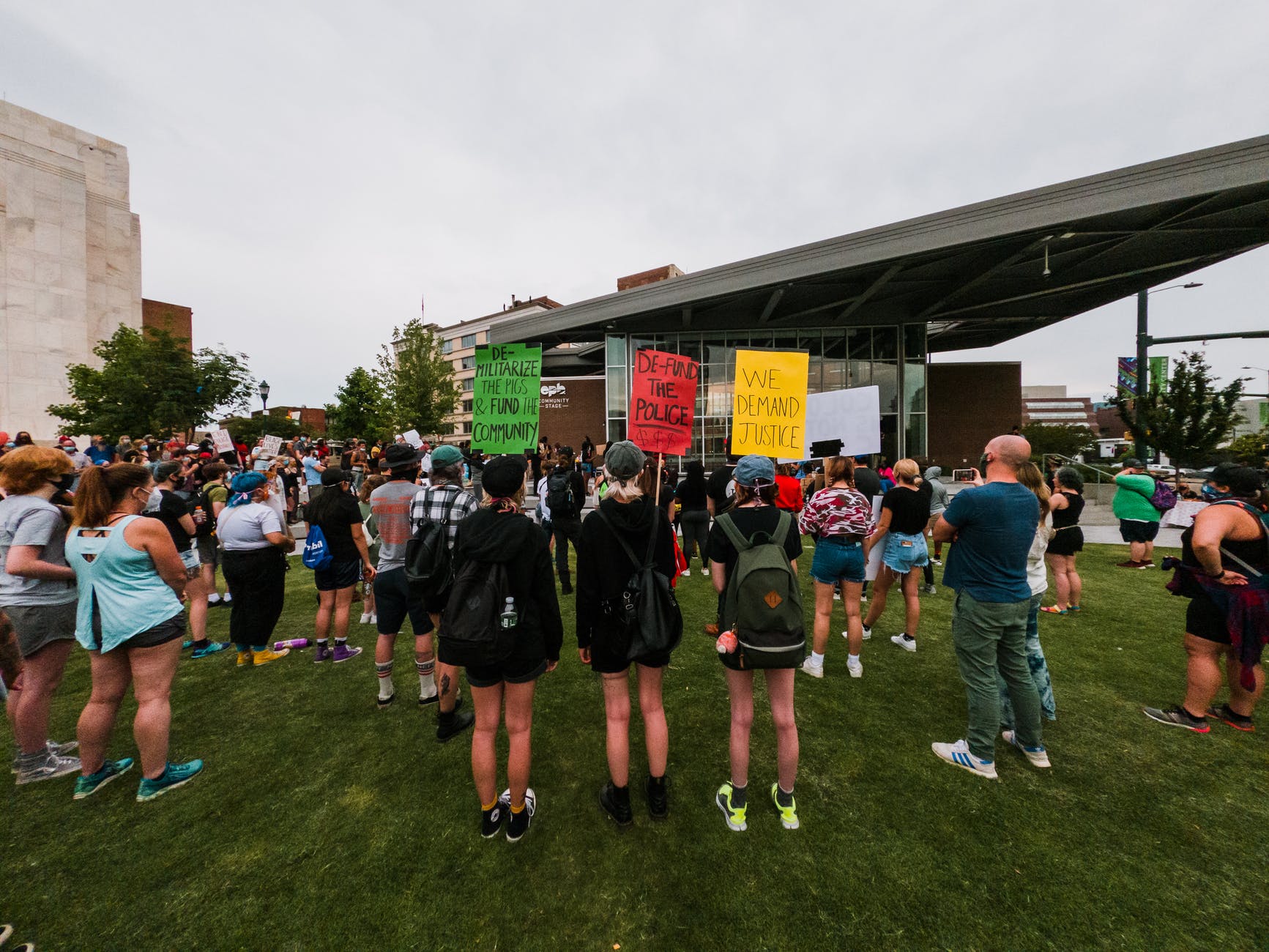
For this week’s class, we read three articles and listened to two podcasts. Our topic was about digital activism and social justice. In our article, “The Cute Cat Theory Talk at ETech” reads, “Cute cats are collateral damage when governments block sites. And even those who could care less about presidential shenanigans are made aware that their government fears online speech so much that they’re willing to censor the millions of banal videos on DailyMotion to block a few political ones.” The Tunisian government blocking an entire website for a couple of political ones is ridiculous, they are so afraid of what their own citizens think about them they block the few who are speaking about it. In turn, this creates even more hatred for their government as those who just use the site for funny videos or cat videos as the government is blocking what they enjoy. Technology censorship is everywhere, even in our country, we just don’t think about it. In one of our podcasts, Digital Activism Ted Talk, the woman speaking asks what makes success possible. She then starts talking about Twitter, how Twitter is the key. In Turkey, they censor twitter and use that to their advantage, in 2013 the Turkish government bombed and killed thirty-four Kurdish smugglers near the border. The government censored all media relating to this until a journalist bought a plane ticket and flew to where this occurred. There he saw lines of coffins with relatives holding them, he was overwhelmed and didn’t know what to do; so he took a photo of this and it went viral. The government couldn’t censor the mass amount of people now posting about it. Move forward a year later when Turkey’s Gezi protests happen, it started as a protest about a park being razed but became an anti-authoritarian protest. The government also censored this, by instead showing what was happening which most media outlets were covering they broadcasted a documentary of penguins. She goes on to talk about how people are becoming more aware of this and instead now posting photos about what is going on. The internet has good and bad sides to it and people are learning how to use the good side more, by using digital technologies to help them organize protests, rallies, and just to help others out. Today we see many uses for technology and among those is the power to speak out, we must engage it more and let our voices be heard. 

Photo by Mauru00edcio Mascaro on Pexels.com

We see social media influence us and among those Twitter has done a lot. We go on Twitter to rant or to see whatever our President is ranting about this time. On Twitter, we have popular hashtags which can either be people being sarcastic or talking about a social cause we need to pay more attention to. In “These 10 Twitter Hashtags Changed the Way We Talk About Social Issues” we read, “The latter usage has been instrumental in the transition of movements from online to the real world.” This can not be more true, by drawing out attention to issues we learn more about them and our feelings about them. The hashtag #PrayforJapan drew our attention to an 8.9-magnitude earthquake and tsunami in Japan in 2011. This killed nearly 2,000 citizens of Japan, people around the globe came together and talked about this tragedy. This hashtag was used 2,000,000 times, I honestly don’t know if anyone didn’t hear about this. This is just one example of people using their voice. The devastation that occurred during this time was horrific and hurt so many people, but at the same time, it got everyone together and talking about it. By using our voice for good reasons people will take notice and more people can see your point of view.

Photo by Polina Zimmerman on Pexels.com

Do you have something you’re scared to speak about? Did you hear about Japan, what were your thoughts?

Weekly News:

Protection or Monitoring?

For this week’s class, we read five articles, listen to one podcast, browsed one website, and watched one movie. Our main focus of the week was on the movie Snowden. I have watched this movie once before but completely forgot about it. The story follows a man named Edward Snowden who is a brilliantly smart person. He is first shown in the military, but takes leave due to an injury. He then gets a job in the CIA, in which he finds information he is disgusted by. He quits his position at the Department for National Security. He now knows that all forms of digital communication, not only from foreign governments and terrorist organizations, but from ordinary Americans, who are being monitored by a virtual mountain of data. He becomes a traitor to others, a hero to others and a fugitive from the law when Snowden decides to leak this sensitive information.

Photo by cottonbro on Pexels.com

Throughout this movie we see Snowden progressively find out when our government is doing and he gets disgusted by it. The government has information on everyone, not only what they post publicly but privately too. “The truth sinks in that no matter what justification you’re selling yourself, this is not about terrorism. Terrorism is the excuse. This is about economic and social control. And the only thing you’re really protecting is the supremacy of your government.” This quote from Snowden shows how fed up he was getting at the government. People have a right to know they are being monitored daily and that everything they post can be seen. Most people do not knwo they are being watched and if more people find out it would cause a panic in some. Some people use the excuse, “I have nothing to hide.” well, do you really want someone you don’t know judging you for the photos you take, the texts you write, or your social media postings? 

Photo by Burst on Pexels.com

There have been debates as to if Snowden is a hero or a whistle-blower, in my opinion he is both. He is a whistle-blower for exposing national secrets that have no right to be secrets. He helped inform thousands about the shady work in the government. He is a hero, as if not for him would we know any of this? Would the government ever come out and tell us? No, why would they tell their citizens that they are under constant watch, no matter who you are or what you do. It is scary to realize everything I post or keep on my phone is accessible to the government, while I don’t hide any terrorist plots I personally like my privacy. The government is taking away that privacy, by unknowing people just simply using their phones it is taken away. “I think this is the greatest freedom that I have gained, the fact that I don’t have to worry about what happens tomorrow, because I’m happy with what I’ve done today.” Can you be happy knowing all your movements are tracked? Most of us have our phones with us all-day and night, and the government sees all of it. How will you sleep knowing this? Maybe turning off your phone once in a while is worth it. What are your thoughts? What stuck out the most to you during this movie?

Photo by Andrea Piacquadio on Pexels.com

Weekly news:

Online Hate

In this week’s class, we read six articles, watches three videos, and listened to one podcast. At the beginning of class this week we heard from Group 1, they presented the book, Gutenberg to Zuckerberg: Disruptive Innovation in the Age of the Internet. They did a very nice presentation and very in-depth. The main topic for this week was looking at cancel culture. “The free exchange of information and ideas, the lifeblood of a liberal society, is daily becoming more constricted.” While the internet is something we use to express ourselves and share our thoughts it is also a gateway to hate and bullying. If people see something they do not like they then speak out and share it hopes other people share their views and this can lead to public shaming. “This stifling atmosphere will ultimately harm the most vital causes of our time. The restriction of debate, whether by a repressive government or an intolerant society, invariably hurts those who lack power and makes everyone less capable of democratic participation.” Social media can be used for good, but most times the good outways the bad as certain people who are facing this hatred can not take random people saying vulgar things. This has lead to the loss of life and the loss of families. People rarely think before they post and end up hurting others with their words. Have you posted something you wish you didn’t?

Photo by cottonbro on Pexels.com

Now let’s take a look at the good side, what does it do and what does it accomplish? “Although the hubbub of comment threads and Twitter timelines might seem to contain a wide variety of opinion, the researchers suggest that internet users tend to clump together with like-minded individuals (a tendency that internet experts have previously suggested is reinforced by online search algorithms that cater to our views).” While we tend to look at the bad parts and what social media doesn’t do well, there are things we are lucky to have. Take communication, for example, years ago you had to write letters to people you wanted to stay in touch with now you can write a quick text and talk to your friends. Social media also offers us the chance to post photos and show people how you have changed or show have you have bettered yourself. Mean comments are everywhere on the internet, but people tend to focus on the bad things rather than the good people post. Social media groups people with like interests together so hate is not something we see, but more so something we look for. Instead of caring what good people may be posting, we look for the bad and what we can do about it. “Perhaps more alarmingly, the researchers found that social media use also had a knock-on effect on real-life conversations: frequent Facebook and Twitter users were less likely to share their opinions even in face-to-face discusions when they felt their online friends hadn’t agreed with their view point.” From the ‘Spiral of Silence’ we can see that even though people know their opinions are not well-viewed they still post about it as it is their right to freedom of speech. We have a right to let people know our opinions whether other people with finding them agreeable doesn’t matter, what matters is if it’s our true opinion and we personally believe it. Rather than focusing on hate we should not be afraid to share our views as everyone has a different view, this doesn’t mean our thoughts are more important, but that if people can’t share their thoughts without fear of hate than why are we on social media, to begin with? 

Photo by Kelly Lacy on Pexels.com

Have you been subjected to hate? Have you judged another person for sharing their viewpoint? Do you like social media?