This week my group had to present our book presentation and we all had to watch “The Social Dilemma”. Both materials showed how social media and the news are insidious. We are being manipulated by both. In this blog I will address my takeaways from the book “Information Wars” by Richard Stengel and the Netflix documentary “The Social Dilemma”.
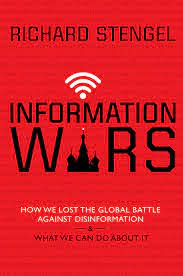
“Information Wars- How We Lost The Global Battle Against Disinformation- What We Can Do About It” by Richard Stengel was a great read. Stengel spoke on a story that was a great example of disinformation and it was “The Lisa Story”. The story was about a Russian-German girl who was supposedly abducted and raped by migrants. One news stream reported the story and then others followed after them. This led to political uproar and protests. After a couple of days the real story came out and the rape that never occurred made many lose trust in the news of Germany. What actually happened was the 13-year old girl ran away from home because of a fallout with her parents. The Berlin police interviewed the girl along with viewing phone records and concluded there was no rape or abduction. This shows how the news deceives people because after the truth came out the German government tried to make accusations that the actual story was a cover up and this case study was just one example of the deception shown throughout the book. I just found that one the most interesting and felt it needed to be shared because of the severity of the lie that was told. When I read this it reminded me of that one episode of “The Newsroom” we had to watch where after the Boston Marathon bombings they rushed to get a story out on the perpetrator and it was the wrong person all because of social media. This was virtually the same exact situation in my eyes.
“The Social Dilemma” was an interesting movie. I liked how in the beginning they had us believe the people were embarrassed but as the documentary unfolded they were actually apologetic. They had many executives from social media sites on the documentary speaking on how the innovations they had on all these sites were intended to be good they swore, but society turned it into something else. For the most part I agree with them, but find it hard to believe they did not know the capabilities of what they created. One story was how the inventor of the like button for Facebook said he created it to spread positivity, but now if people do not get likes they get their feelings hurt. I think he was trying to create something good, but he know the possibility of what could have been in store from it. What I also think is that is how society is made in modern day. People are so sensitive to likes and not just getting their point out. I personally feel they should not be so hurt over likes because in the end of the day they mean nothing. Your post are still being seen whether someone likes them or not.
WEEKLY NEWS: https://abc7ny.com/nyc-coronavirus-schools-reopening-covid-closed/8089194/

 SOCIAL MEDIA & SOCIETY
I agree with what you said about people not knowing what their sites were capable of. As the updating process has occurred, creators have made their sites more addicting on purpose, which shows to me this is part of their game plan.
Ahhh, I wish the concept of likes was this easy. There’s something special about having someone who you like or respect like and respect you. This interaction can be addicting when it’s on a phone screen. It’s almost like a competition, but at the same time, who are we competing with? Unless you’re making money from your likes, they really do mean nothing. Why do we hold them to such great esteem then? I think that all lies in the psychological framework of social media. I don’t really know for sure.
LikeLike
Hello, I enjoyed reading your blog as it has very good points. I agree that it is important to point out that the magnitude of the lie or inaccurate information that was told about the girl being abducted was quite frightening and quite frankly, uneasy. How can people trust them when they receive false information such as this? Also, with the movie social dilemma, I do in fact think they their intentions were for the people and not how society has twisted it, however, as creator of these things they have to stop and think about all the positives and negatives that these apps and the features posses before hand. And I agree that people need to stop worrying about likes because like you said, people see it regardless of whether they like it or not. And who cares about a like. It doesn’t do anything that’s good or bad for you, its just a like.
LikeLike
Your group had a great presentation and this was a very well written blog! I totally agree that disinformation is a huge problem because you really never know who or what to believe. That is really sad now because it is hard to base your opinions if you aren’t having real information being thrown at you. I agree that the social dilemma was great, and agree with them when they say they didn’t mean to create something like they did.
LikeLike
Your group presentation was great, and so is your blog. Disinformation is a big problem because it makes you doubt what you know and that can be the scariest thing. Your part about Informational wars is really good and I like the way you word things. I also agree with you about the social dilemma and really enjoyed this blog.
LikeLike