
This week’s class consisted of group three’s presentation, read seven articles, and watched three videos. We started class with group three’s presentation, they did a great job and had a well-thought-out presentation. “We take newspapers for granted. They have been so integral a part of daily life in America, so central to politics and culture and business, and so powerful and profitable in their own right, that it is easy to forget what a remarkable historical invention they are.” (Goodbye to the Age of Newspaper) Before technology newspapers were one of the only ways to get information out to the public. During the nineteenth century, newspapers gave people information on what is happening around the state, country, and world. During the rise of the internet, newspapers started having problems, people could start looking up things using computers and the newspapers start dying. The recession further pushed newspapers out of the market and forced editors to lay-off their journalists. By two-thousand and eight most newspapers were out of the market and they became a forgotten part of regular society. “The financial crisis of the press may thereby compound the media’s crisis of legitimacy. Already under ferocious attack from both left and right for a multitude of sins, real and imagined, the press is going to find its job even more difficult to do under economic duress. And as it retrenches in the face of financial pressures, Rosenstiel says, “More of American life will occur in shadows. We won’t know what we won’t know.”(Goodbye to the Age of Newspaper) We can see this vividly present online with the random fake ads that try to capture your attention.
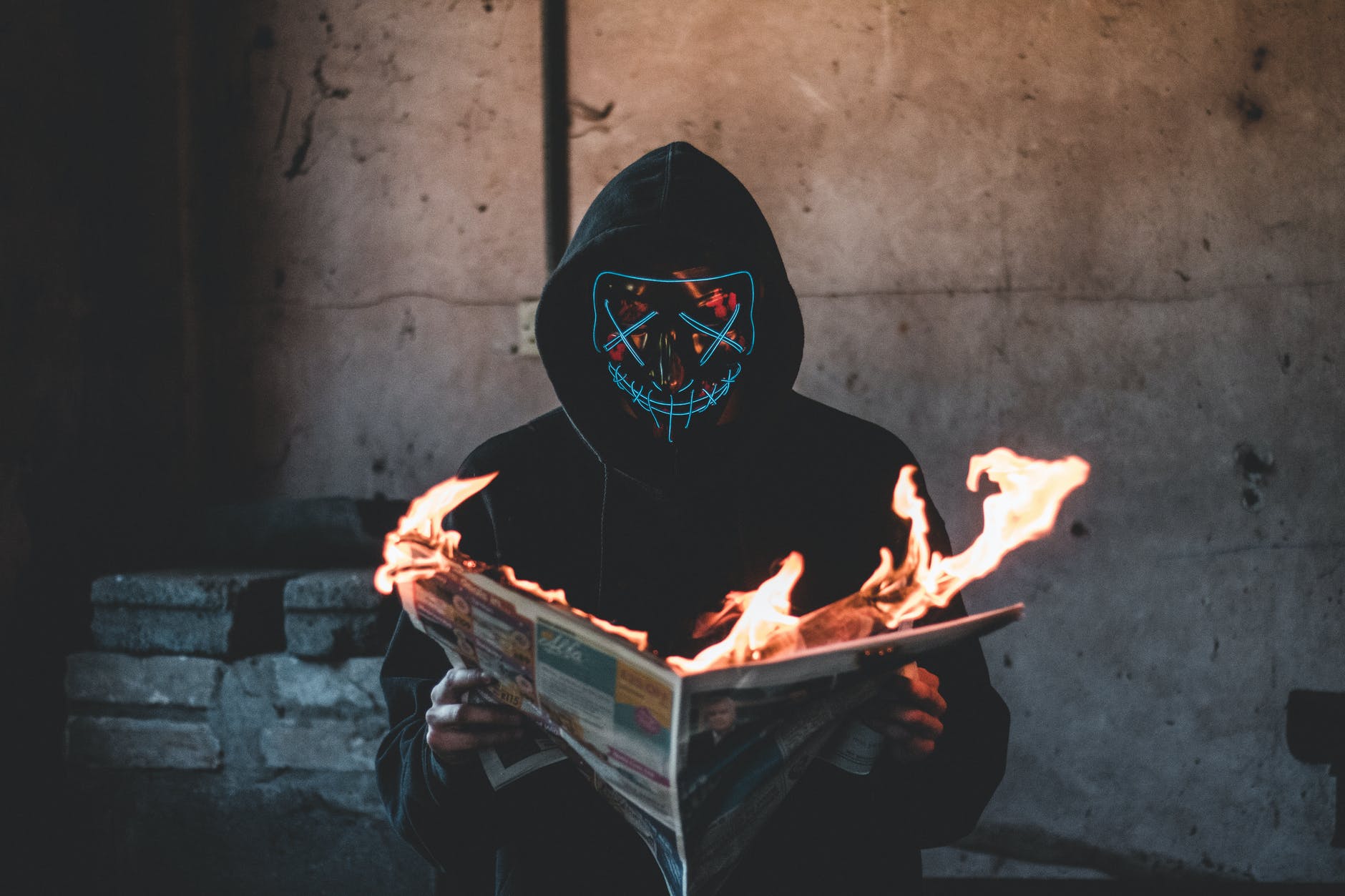
“We increasingly see journalists who are the commentators on what’s going on. Now, that’s a tricky position, because journalists are supposed to be unbiased, but also, at the same time, they’re supposed to be explaining to the public what’s going on with inside information.” (Longtime Reporter Leaves NBC…) Because of all this fake news, it is getting harder and harder to distinguish what is true and false. There are many answers we look for on the internet and we hardly realize what is fake anymore. In order to know what we are reading is legit we can look at the comments under that post, the editor’s other posts, or by looking something up on a know legitimate site. We have to be more careful about what we believe and question things that don’t seem right. “And while the new digital environment is more open to “citizen journalism” and the free expression of opinions, it is also more open to bias, and to journalism for hire. Online there are few clear markers to distinguish blogs and other sites that are being financed to promote a viewpoint from news sites operated independently on the basis of professional rules of reporting. So the danger is not just more corruption of government and business–it is also more corruption of journalism itself.” This can make it almost impossible to discern between the legitimate journalists and the ones who do it to make a quick buck. We need to focus on the bigger picture, what is going on in our country. Journalists choose to leave out information so we truly don’t know what is happening in our society. In order to find more information, we must search for it and want to know the truth.

Have you ever seen fake ads online? Have you read fake news articles? Did something you read online ever just not feel truthful?
Weekly news:
 SOCIAL MEDIA & SOCIETY
You must be logged in to post a comment.