
The eighth week of Social Media & Society had introduced us to the film Downloaded: Napster Documentary and Douglas Rushkoff’s insight on Present Shock. We also discussed the concepts of copyright and privacy infringement laws. The Zoom call on Wednesday the 14th, deepened my knowledge on the influence of the internet and laws put in place to protect it.
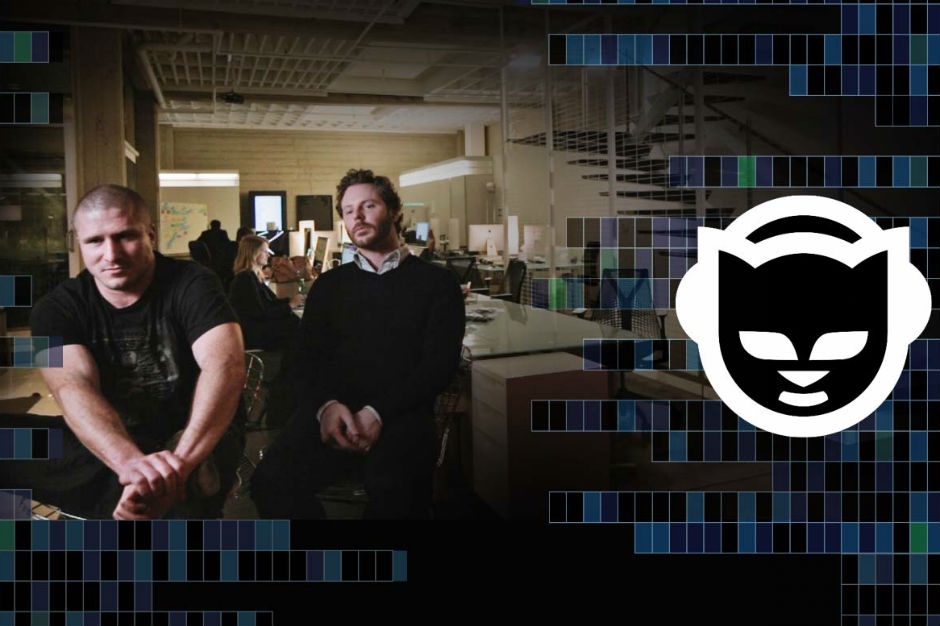
The film, Downloaded: Napster Documentary, covers the rise and fall of Napster. Napster was an online service founded in 1999. The founder, Shawn Fanning and co-founder Sean Parker, harnessed the Internet to enable people to trade favorite songs, share files and obtain basic communication over the internet. Their humble beginnings soon grew into a massive movement of sharing files and music. This was very troubling to the music industry because people where no longer purchasing music. Napster provided a free service of music to hundreds of thousands of people that grew to millions of registered users with the simple click of a mouse. Artists and the music industry in general lost an estimated 50 million dollars in revenue. Many record labels filed lawsuits against the Napster organization because they believed Napster’s filing sharing was illegal and violating the rights of their artist’s production. Napster, the software application that ignited the music file-trading frenzy, came to an end on July 11th, 2011.
I believed that Downloaded: Napster Documentary, did an impeccable job at covering the lives of Shawn Fanning and Sean Parker. The film provides firsthand insight on the families and upbringings of these two men.The documentary also included several special guests that added crucial perspectives on Napster.
Before viewing the film Downloaded, I did not understand Napster’s overall impact on the internet. Napster took the internet by storm and had a major impact on the music industry. Their file sharing service was the first of it’s kind and attracted people from different demographics. Napster and its founders held the promise that everything the new medium of the internet encompassed: youth, radical change and the free exchange of information. But the younger generations would soon give way to reality as the music industry placed a bull’s-eye squarely on Napster. I understand why musicians and record labels were frustrated with the concept of Napster. These massive organizations and corporations lost millions in sales when Napster provided free, downloadable music. In this era constituted largely of CDs, records and radio. This new form of listening to music was overall easy to obtain and free! Lastly, I see how Napster’s revolution is still impacting music platforms today. Music has recently became more affordable and manageable for people to purchase music.
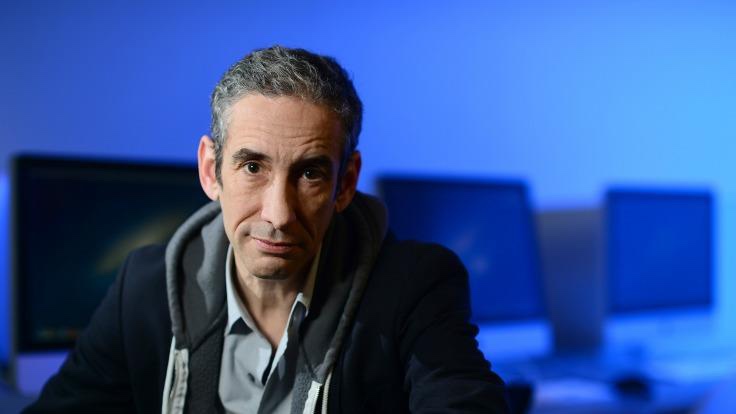
Present Shock: When Everything Happens Now was written by Douglas Rushkoff and published in 2013. According to Rushkoff, rather than focusing on building a better future, society is primarily concerned with building a worthwhile present. Rushkoff addresses brands, pop culture, news outlets and political movements. He also paid particular attention to technology’s affects on modern humanity. Rushkoff references the effect of live news reporting and the emergence of pop culture to make sense of diminishing attention spans. The solution he provides is to allow viewers to insert themselves directly into the narrative, becoming a participant rather than a spectator.
Published by: Samuel Erickson
Weekly News Article: This article from Indiana University, takes an overall deeper look at the impact of Napster on the music industry.
Napster: The Black Market that Publicly Dominated the Music Industry
 SOCIAL MEDIA & SOCIETY
Hey Sam! Great blog this week as always, I thought you made a lot of good points. I remember seeing the Napster documentary last year in the Mass Media, I didn’t even know about it until the class. Back then people just saw how they can get free music and not have to pay for it, if I was one of the artists I would also be very upset. Not until awhile ago did the technology and artists came to understand and that is now why we have platforms like Spotify, Apple Music, and Pandora. We can also thank Napster for the idea and without them we may not have these apps.
LikeLike