
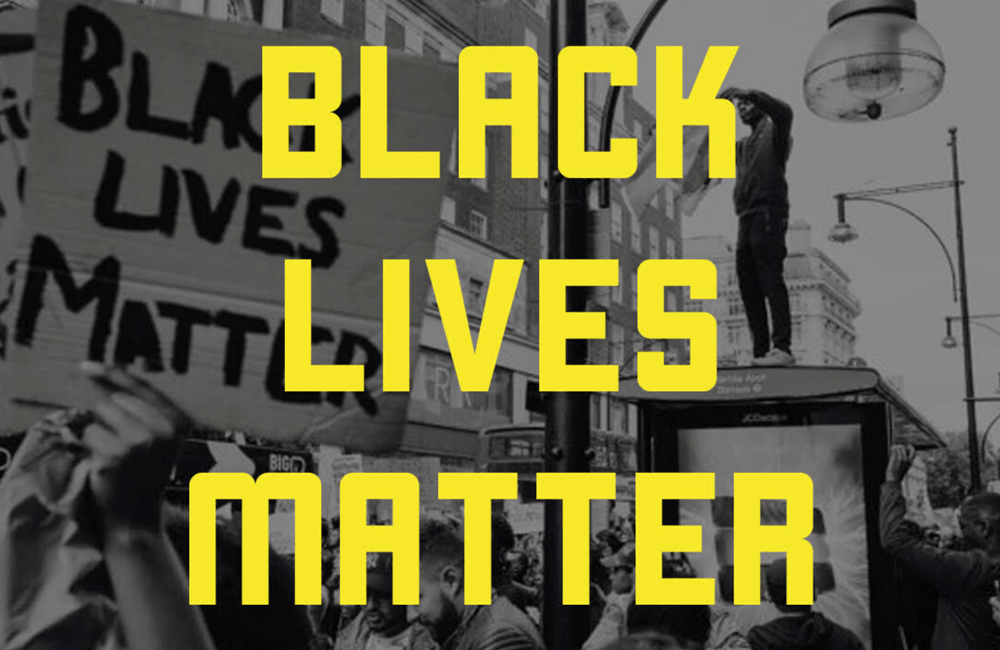
Our seventh week of Social Media & Society has introduced us to the protests of 2020, media’s direct influence and involvement in orchestrating activists and Zeynep Tufekci, Online social change: easy to organize, hard to win. These topics and discussions were ingrained into our discussions on Wednesday and sparked real conversations of change.
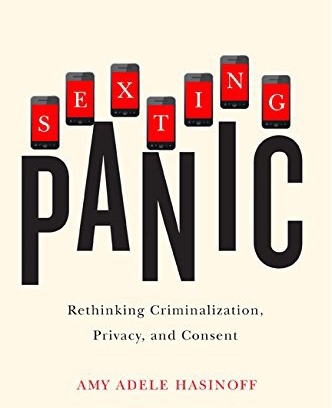
This week my group and I shared our interpretations of Sexting Panic, Rethinking Criminalization, Privacy, and Consent written by Amy Adele Hasinoff. Sexting Panic illustrates how anxieties about technology and teenagers experience with sexting distract from critical questions of social norms, regarding privacy and security of new media. Ms Hasinoff argued that in order to move forward in our understanding of sexting, we need to see it as an act of media production and not villainies young women as the escape goat. She covered the necessary grounds exceptionally well and brought a complex and difficult topic to light.
Organizations and activist groups throughout 2020 have taken a stance against social injustice and police brutality. Several incidents of police brutality and individual acts of violence against African Americans have been publicly displayed. These killings have received massive publicity and severe backlash against officers of the law. Police brutality has become a hot issue in the United States. The number of homicides committed by police in the United States is often compared to those in countries such as England, where the number is significantly lower. This comparison demonstrates the lack of training in some of our officers and negligence by all. Combined with the Covid-19 pandemic, this year has been a complete an utter mess.
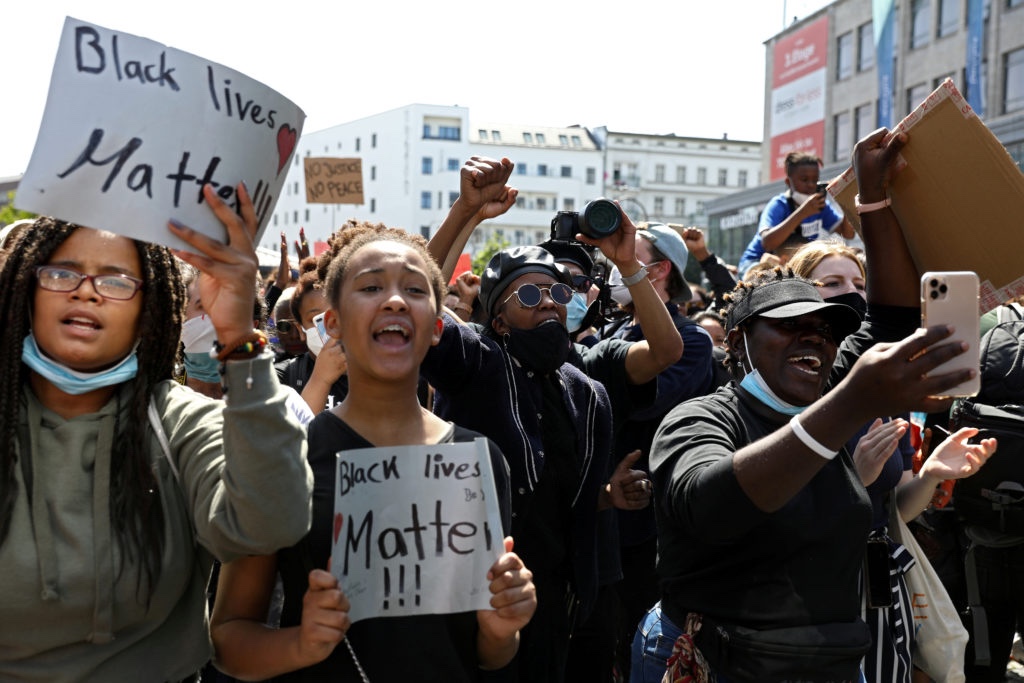
The Black Lives Matter Movement, formed in 2013. There was an outrage against a not guilty verdict of George Zimmerman in the murder of Trayvon Martin. A Facebook post entitled “Black Lives Matter” captured a mood and sparked action. They have been a vocal part of the movement against police brutality in the U.S. by organizing marches and demonstrations in response to the killings of black men and women by police. While Black Lives Matter has become a controversial movement within the U.S., it has brought more attention to the number and frequency of police shootings of civilians. The Black Lives Matter movement has spread across the U.S. and around the globe, with massive protests in the UK, Europe, and Canada. The movement now includes many individuals from diverse backgrounds, who had previously not felt connected to the cause. Black women have also been at the heart of African Americans struggle for freedom. They have often times been painted over, however now is the time they are refusing to allow themselves to be forgotten.

Zeynep Tufekci tackled tough questions regarding our society and the spread of digital connectivity. I found her perspective on the Civil Rights movement of the 1950s and 60s particularly interesting. The movement in Alabama 1955, was directed at the radically segregated bus system. African Americans were boycotting the busses and after the arrest of Rosa Parks, activists used the mimeograph to produce 52,000 leaflets. They then used the 68 African American organization to individual hand out each leaflet. These activists were able to organize a protest without the technological advancements we obtain today. This speaks to their dedication to their cause and true belief in their protest.
Published by: Samuel Erickson
Weekly News Gathering: The New York Times discussed the impact of the Black Lives Matter movement and their influence around the globe.
https://www.nytimes.com/interactive/2020/07/03/us/george-floyd-protests-crowd-size.html
 SOCIAL MEDIA & SOCIETY
I also loved how she talked about the civil rights movement back then and she made a lot of good points about it too. I just think that the fact that people back then were able to achieve our protest and news goals today, without even a little bit of the technology that we have. Its truly amazing. They had to stay up all night and work on leaflets and then they had to individually deliver them in person all around the state. Its just amazing
LikeLike
Hey there Samuel, great post this week as well as your presentation in class I thought were very interesting. I definitely did some thinking about the sexting panic within younger generations, it made me think on how we can prevent such behavior, even though young teens do not hear our warnings and they forget what we say to them. With the Black Lives Matter campaign even more relevant now, I think that we have to do more than just unite on social media, but being violent and rioting will solve nothing we need to come together peacefully and try to teach others about what can be done.
LikeLike