This week we took a look into cancel culture and its effects on the people that we cancel. We all are subject to and aware of these tendencies; when someone makes a mistake or speaks about something controversial online, we essentially “cancel” them. When putting it into writing it sounds asinine. However, these are the concepts that are finding themselves on the front pages of our culture’s news.
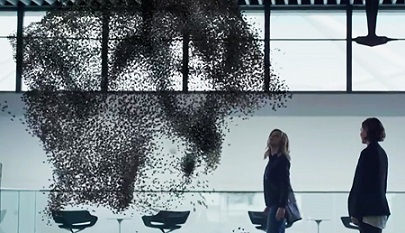
As usual, the Black Mirror episode, “Hated in the Nation”, was less far-fetched than we’d like to think. In the episode, we are given a scenario where cancel culture is life or death. Don’t like what someone posts? Tag them with the hashtag #DeathTo and you’ll have the chance to see them perish! It sounds so cynical, but this is what people do on a daily basis. We bully each other until the point of no return. Whether we’d like to admit it or not, social acceptance is what keeps us going, Regardless of whether the bills are paid, we have that cool gadget, or we’ve launched our career, social acceptance is what keeps us sane. That’s why this is such a big deal; we are pushing each other to our limits.
Don’t go any further. This is sensitive content!
Because of this sensitivity, many of us are censoring the things that we put online. Even I can admit that I’ll go to post something and maybe change the caption or change the wording because I’m afraid to offend someone or have people publicly shame me. This is exactly what the article “The Spiral of Silence” is trying to get at. Because we are afraid our friends are not rooting for us, we are less likely to post our true opinions. Although I am guilty of the same habits, this is counter-productive when it comes to having stimulating conversation. You don’t learn when there aren’t different points of view in your face. That’s a big thing that our culture is scared of.
We are reminded of this idea of censorship in Harper’s Magazine. The article writes, “While we have come to expect this on the radical right, censoriousness is also spreading more widely in our culture: an intolerance of opposing views, a vogue for public shaming and ostracism, and the tendency to dissolve complex policy issues in a blinding moral certainty.” We are constantly told about the value of diversity and empathy. However, when we are actually presented with an opposing view or someone from a different background, we are extremely quick to become defensive or to “cancel” them. I can almost guarantee that we will see no change if we are not able to open ourselves to criticism and find the strength to work through everyone’s ideas to find the best solution before we jump to conclusions and immediately name the opposing side our enemy.
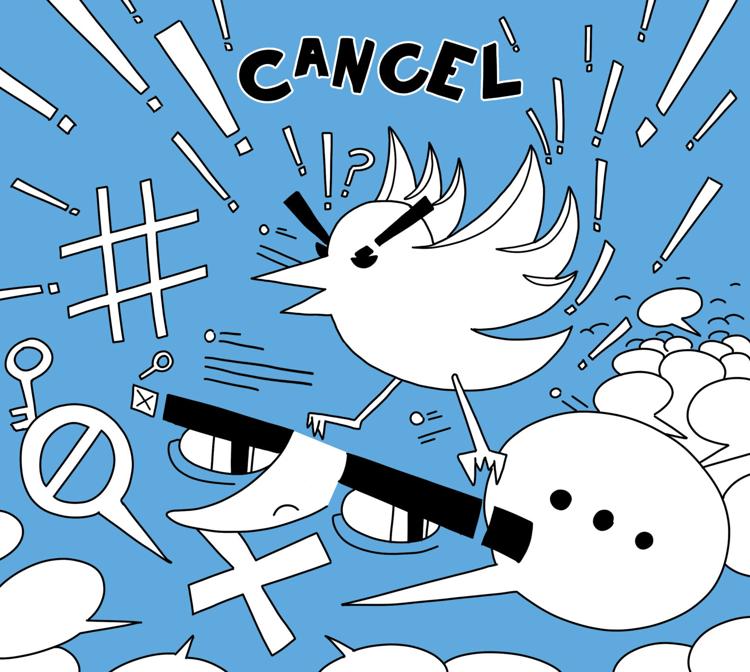
What’s funny about our culture is that we look for acceptance and a way to bash people all in one. We look for love, friendship, and positivity in the same place we look for a way to release our frustrations, judge our peers, and make fun of others voice. I have spent my life looking at technology as the enemy and trying to figure out an alternative way to express myself. I don’t spend time on social media anymore because I felt like it was making me more self conscious and less self aware. After going through the lessons this week I begin to wonder: Is technology the problem? Or is it our own tendencies that make technology so harmful?
Weekly News
https://www.cnn.com/2020/09/25/politics/donald-trump-amy-coney-barrett-supreme-court/index.html
Sources: Trump intends to nominate Amy Coney Barrett for Supreme Court
I chose this article in light of the recent death of Ruth Bader Ginsburg, a Supreme Court Justice with forward thinking and intentions of change.

 SOCIAL MEDIA & SOCIETY
I really liked your blog post. I think that it is in our human DNA to judge others but as soon as the judgment is against us, we don’t like it. I feel like we want everything to be convenient but we also want to be heard. It takes time and energy to sit down and have a discussion with someone. There is this need to get it all done online but this really just downgrades our emotional abilities as humans. Having a conversation allows us to connect. Admittedly, a lot of the time I would rather send an email or text than to speak with someone personally and that also has it’s place, but if we are trying to convey a point, doesn’t it make more sense and is less hypocritical to ask them to discuss the issue? Or else we are just feeding into the anonymous cycle of endless, pointless posts. I also think it is important to note that some conversations are just not worth commenting on. Personally, it affects my day and my mood. Some people are not going to change their points of view no matter what. I don’t really know what the right answer is because some people should be called out on their bad behavior, but I don’t know that they deserve to lose everything.
LikeLiked by 1 person
This was a very good post! I agree with your idea of how it’s almost like we are born to judge each other. Even if we try not too judge people we seem to do it unknowingly. Like voicing are opinions is important we want others to know how we feel about specific things, but in the end it will usually come out as judgy depending on the person. I think social media gives people this space where they can judge other people without the consequences of how it would be in person. I also think social media is making the judging worse as well to the point where people will just say anything no matter how bad it is.
LikeLike
This was a very creative post that I agree with. You brought out many points that I did not see myself. Cancel culture is definitely brought out in al the material and is something that became big in recent years. To answer your questions I feel it is a little bit of both that is the problem. Technology is becoming to important and people do not think before they do things.
LikeLike
I like your post. Cancel culture is something we have started to see more and more and because of this, it can become a regularity for people to be canceled. People make mistakes, we are all human, but people seem to forget that. I feel like technology helps bring out a meaner side in everyone, but showing people bad things and them being judged for it. Humans definitely have a tendency to look at the bad side of this before the good, and this can mess with us.
LikeLike
This was a great post! I agree with you when you say the you always had to make sure when you were posting something that it would not offend anyone, or be taken the wrong way by somebody. I can’t even imagine how it is for celebrities because they have the eyes of millions and millions of people on them waiting for one slip up from them. Overall this was a fun read!
LikeLike